Serving Savannah, GA & Austin TX

.png)
Mon - Sunday: 8am- 8pm

.svg)
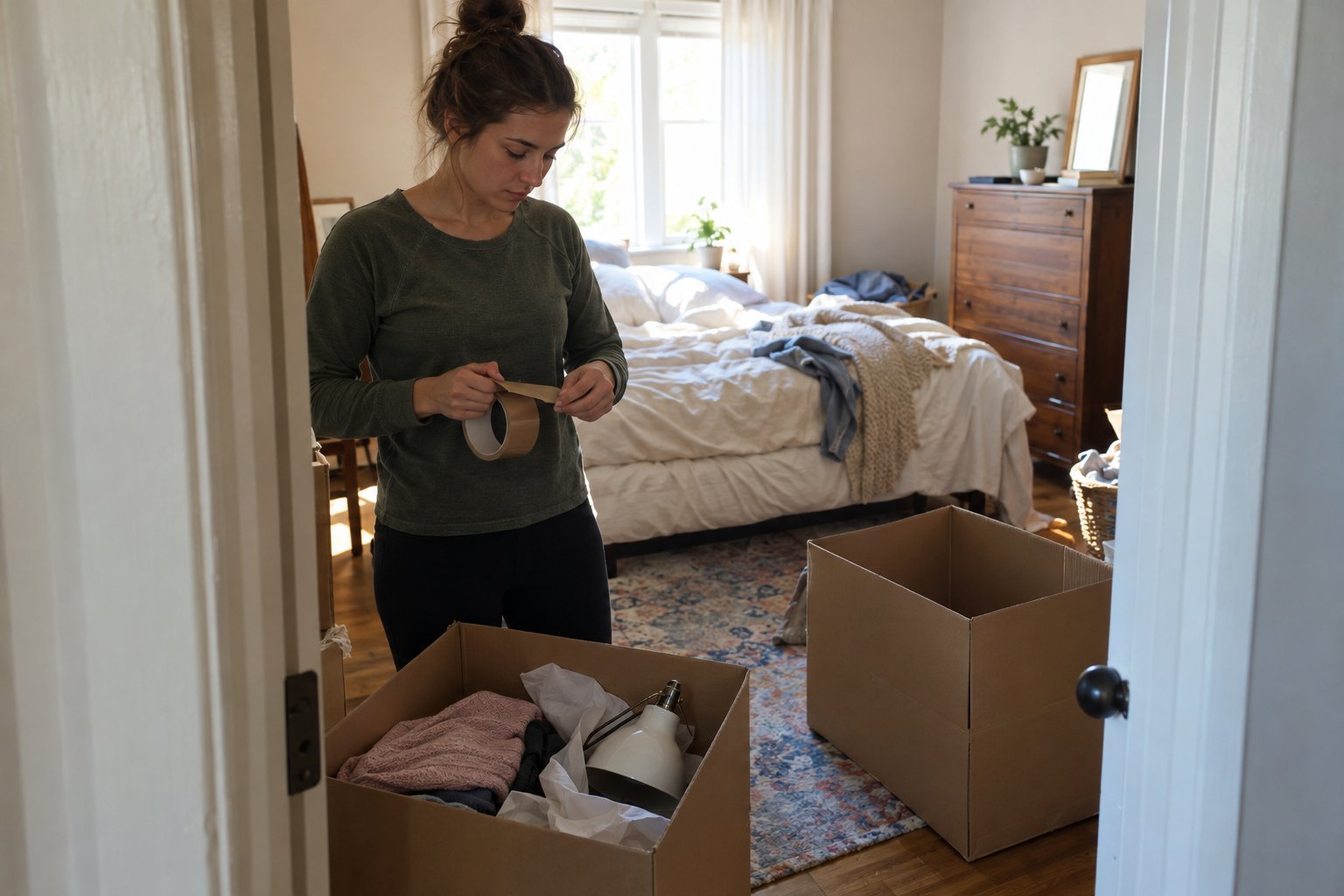
The hardest part of packing isn't wrapping a plate or folding a shirt. It's standing in the middle of a full house with a roll of tape in your hand and no idea where to begin. If you've opened a closet, sighed, and closed it again, you don't need more motivation, you need a starting point. Here's exactly where to put your first box.
Start with the room you use least, not the one that feels most urgent. A guest room, storage closet, or garage lets you build packing muscle on low-stakes items before you touch anything you need daily. Begin two to three weeks before moving day for an average home, longer if you haven't decluttered in a while.
The instinct is to start in the kitchen or the room that looks the most chaotic, but that's usually the worst place to begin. You'll be slower because you're still deciding what to keep, and you'll lose motivation fast. Pick a room where almost everything is already headed into a box with no debate, finish it completely, and let that momentum carry you into harder rooms.
A workable plan is a short list: which rooms, in what order, by what date, with which supplies. Write it on one page so you can see the whole move at a glance instead of feeling it as one giant undifferentiated task.
Break the house into zones and assign each one a deadline that works backward from moving day:
Having dates attached to zones turns "pack the house" into a series of small, finishable tasks. Each completed room is visible proof you're making progress, which matters more than people expect when the project feels endless.
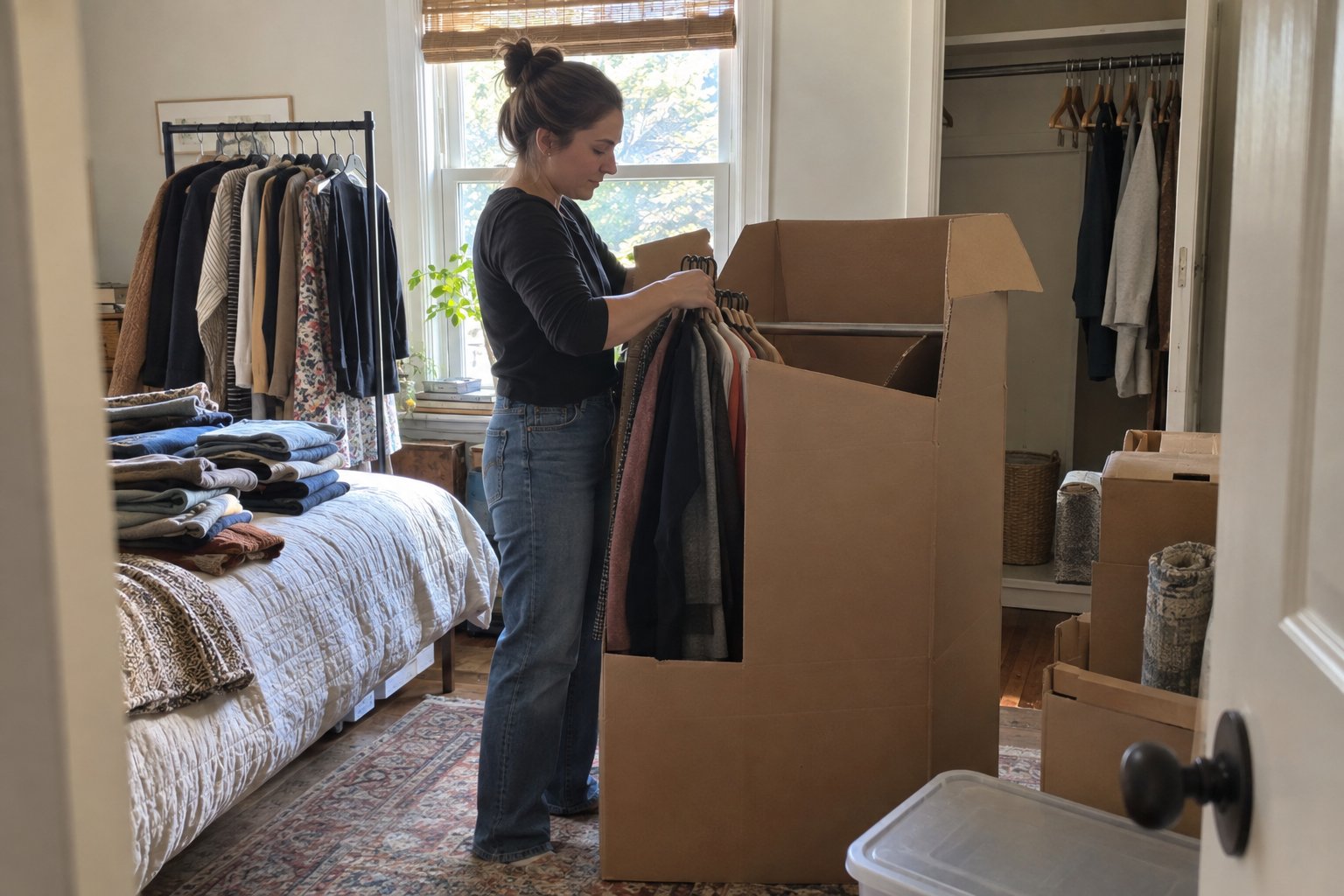
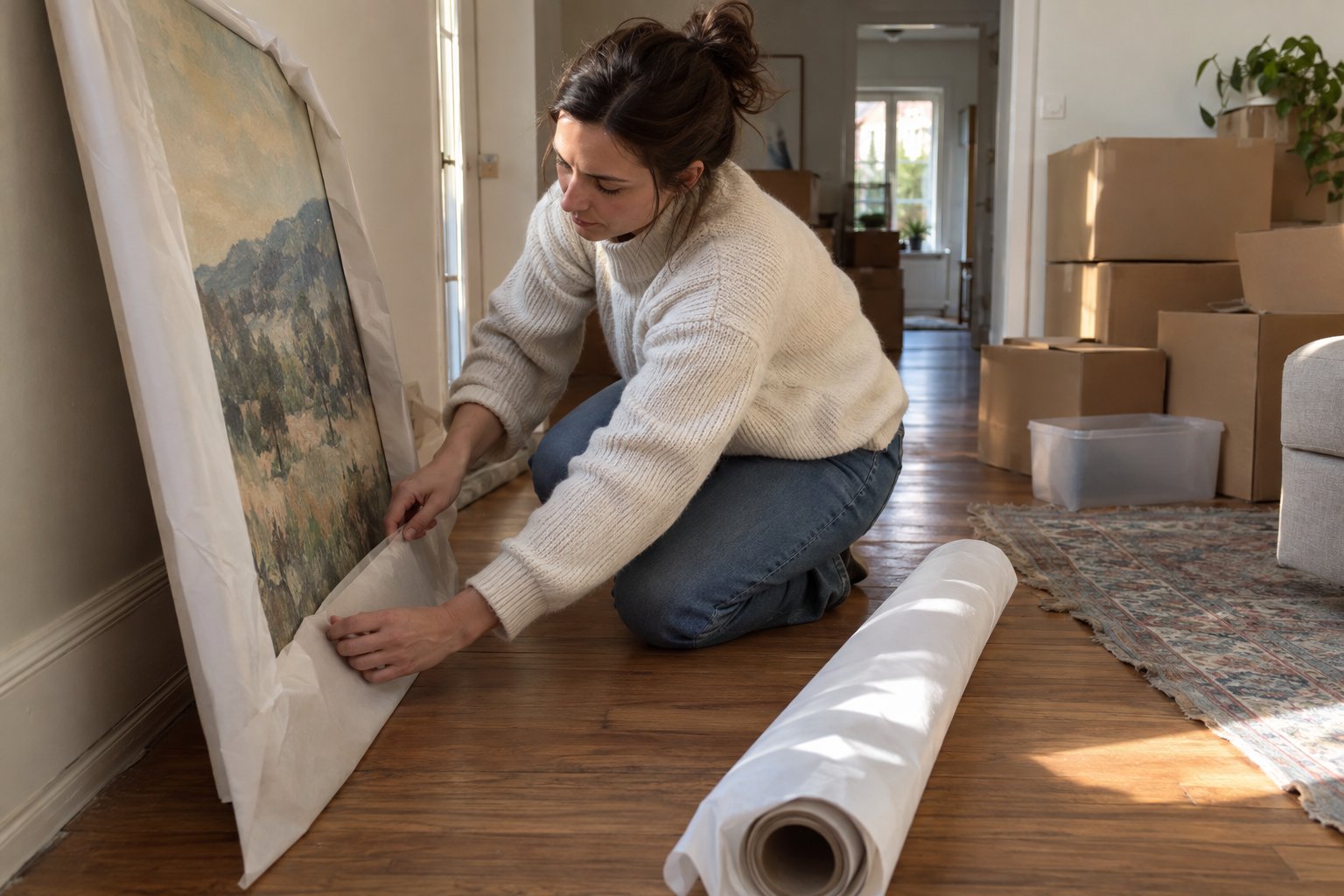
Gather everything before you start so a supply run doesn't stall your momentum halfway through a room. At minimum you need a mix of small, medium, and large boxes, packing paper or bubble wrap, tape with a dispenser, and a permanent marker.
A few supply habits make the difference between organized boxes and a jumbled mess:
If sourcing boxes and padding feels like its own project, BC Brothers Moving stocks packing supplies so you can grab what you need in one trip rather than hunting through grocery store back rooms.
Sort every room into four piles before you tape a single box: keep, donate, sell, and toss. Packing items you don't actually want in your new home wastes boxes, truck space, and the energy you'll spend unpacking them twice.
Work through one closet, drawer, or shelf at a time rather than eyeballing an entire room at once. Decision fatigue is real, and trying to judge every object in a room simultaneously is part of why packing feels paralyzing. A single drawer is a decision you can finish in five minutes. If you uncover more than you expected to part with, a garage sale is a practical way to offload it before moving day instead of packing it out of habit.
A moving-out checklist should track three things: which rooms are done, which boxes go where, and what still needs a decision. Without a running list, it's easy to lose track of whether the linen closet actually got packed or just got looked at.
Label every box with the destination room and a short contents note, not just "misc." When moving day arrives, movers can place boxes directly in the right rooms instead of stacking everything in the living room for you to sort later. Keep a simple inventory, even a notes app list, of anything valuable or fragile so nothing gets misplaced between the truck and the new house.
If the list keeps growing faster than you can check items off, that's usually a sign the timeline is too tight, not that you're doing something wrong. Our guide on how to pack efficiently for a move covers techniques for speeding up the boxing process itself once your plan is in place.
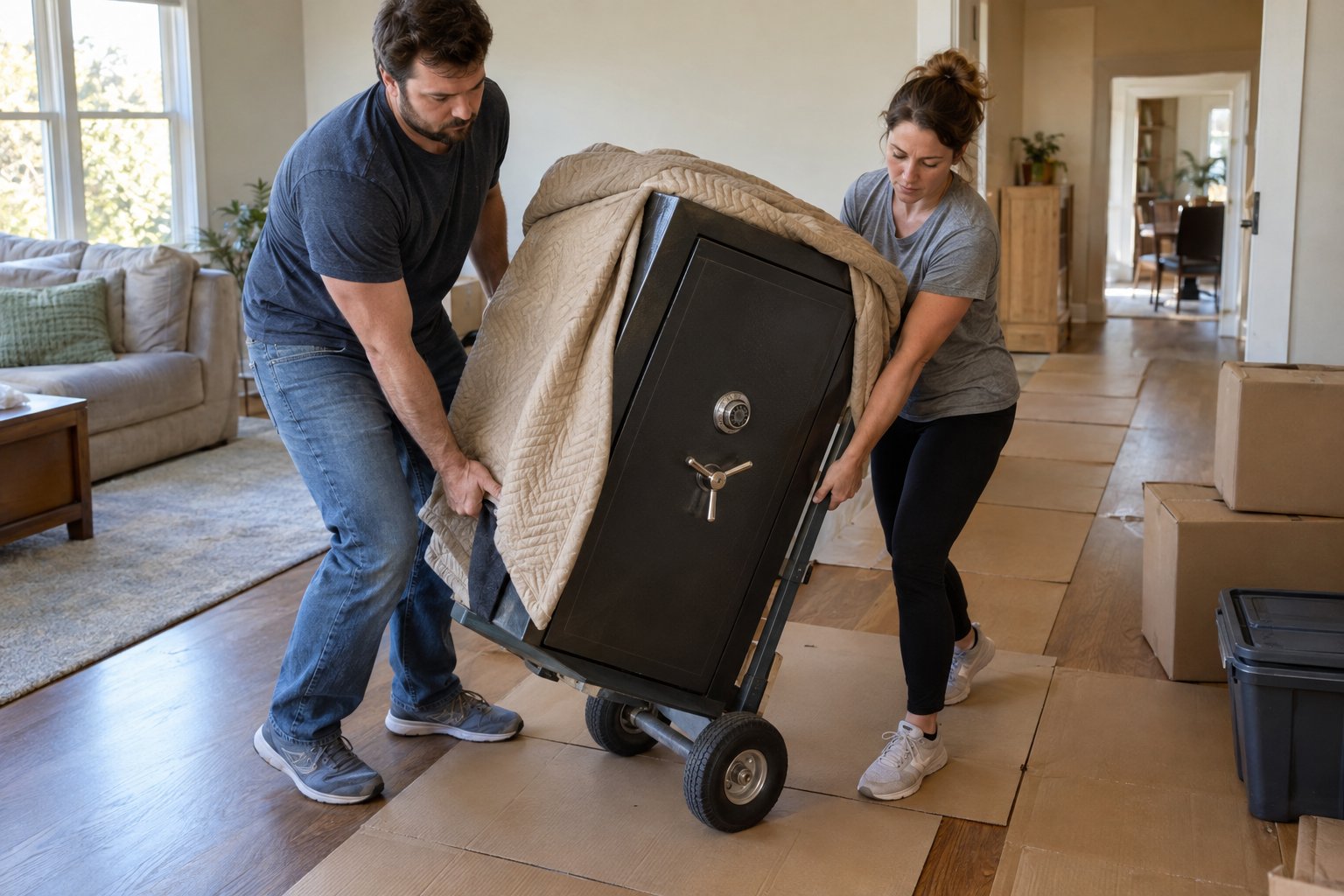
If you're more than a week out and still haven't started, or if work and family obligations are eating every evening you planned to pack, it's worth handing part of the job to professionals. Packing under real time pressure is where most damage and most lost items happen.
You don't have to choose all or nothing. Many households pack the rooms they can manage and bring in help for the rest, whether that's a single difficult room or the entire house. BC Brothers Moving's packing services can take over partway through your plan, and our residential moving services cover everything from loading to delivery once the boxes are ready. If you're weighing your options, request a moving quote and we'll tell you honestly how much help your timeline actually needs.
BC Brothers Moving & Storage is a locally owned, licensed and insured moving company rated 4.9 stars across 800+ reviews. Residential, commercial, long-distance, packing and storage — handled by one crew.
Movers in Savannah·Residential Moving·Packing Services·Long-Distance Moving·Storage

.svg)


.svg)
.svg)