Serving Savannah, GA & Austin TX

.png)
Mon - Sunday: 8am- 8pm

.svg)

Moving can feel overwhelming, especially when packing is done without a clear system. Knowing how to pack efficiently for a move can reduce stress, prevent damage, and save both time and money. Efficient packing is not about rushing or cutting corners. It is about planning, using the right materials, and organizing items so unpacking is just as smooth as packing day. Whether you are relocating across town or preparing for a long distance move, the way you pack plays a major role in how successful the move will be. Working with professional residential moving services can also make the entire process more manageable from the very beginning.
This guide is designed to walk you through every stage of efficient packing, from preparation to final box loading. With the right approach, packing can become a manageable and even predictable process rather than a last minute scramble. By following these steps, you can protect your belongings, stay organized, and move with confidence.
Efficient packing begins well before the first box is taped shut. Creating a packing plan gives you structure and prevents unnecessary stress. Start by setting a realistic timeline based on your move date. Packing an entire household usually takes several days or even weeks when done properly, so avoid leaving everything to the last few days.
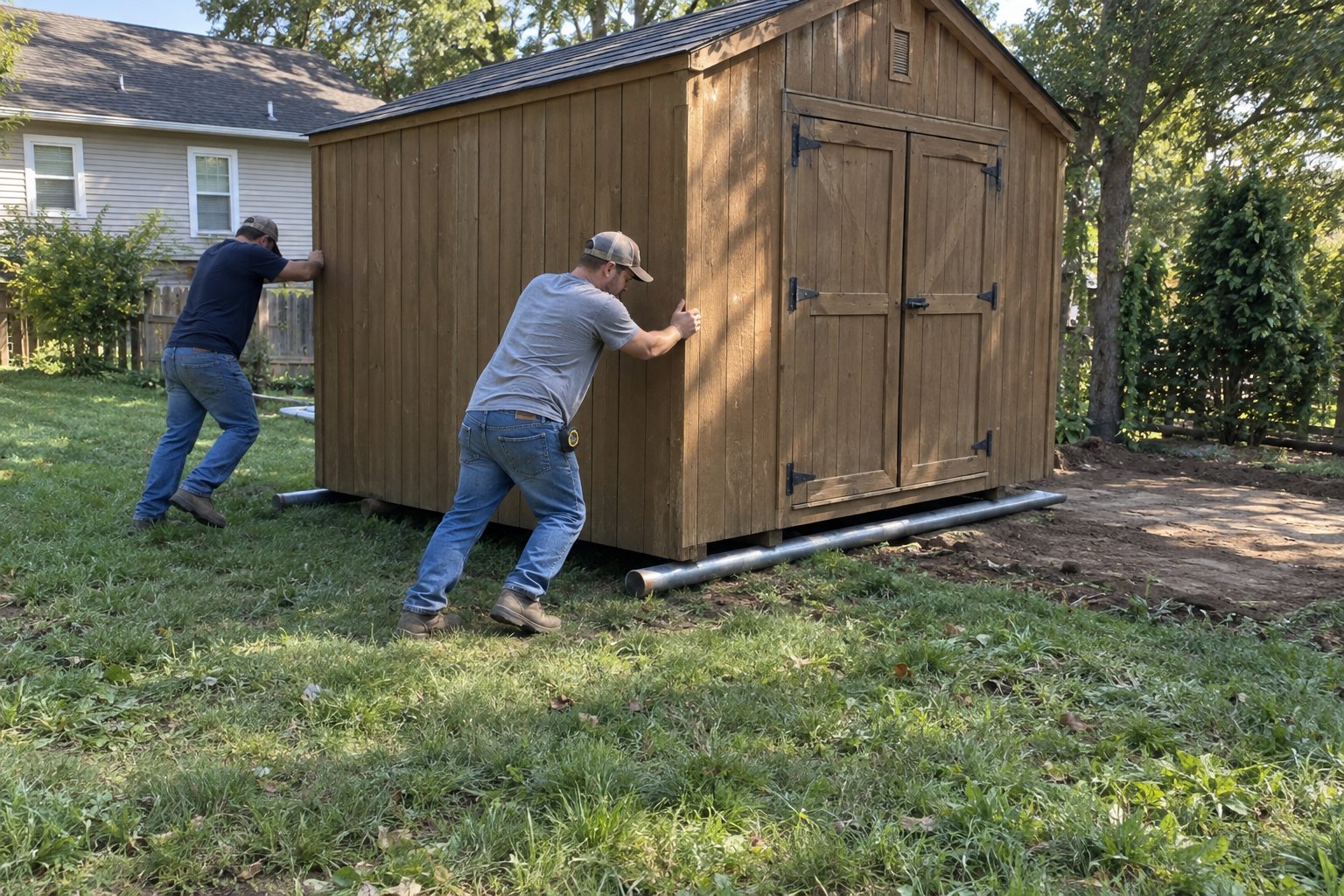
Make a list of all rooms and storage areas, including closets, garages, and sheds. Decide which areas will be packed first, typically starting with spaces you use the least. Seasonal items, decor, and storage rooms are ideal places to begin. A written plan helps you track progress and ensures no area is forgotten.
One of the most important steps in learning how to pack efficiently for a move is decluttering. Packing items you no longer use wastes time, space, and money. Go through each room and sort belongings into keep, donate, sell, or discard categories.
Be honest about what you truly need in your next home. Clothes that no longer fit, unused kitchen gadgets, and outdated electronics often do not deserve space in a moving box. Fewer items mean fewer boxes, less packing material, and a faster move overall.
Using proper packing materials protects your belongings and improves efficiency. Invest in sturdy boxes of various sizes, packing paper, bubble wrap, strong packing tape, and permanent markers. Specialty boxes for dishes, wardrobes, and electronics can also make packing easier and safer.
Avoid overusing large boxes. While they may seem convenient, they become heavy quickly and increase the risk of damage. Smaller boxes are better for dense items like books, while larger boxes work well for lightweight items such as linens and pillows.
Packing one room at a time keeps items organized and simplifies unpacking. Label each box clearly with the room name and a brief description of its contents. This system allows movers to place boxes in the correct rooms and helps you prioritize which boxes to open first.
Avoid mixing items from different rooms in one box whenever possible. While it may seem efficient in the moment, it often leads to confusion later. Staying room specific ensures a smoother unpacking process.
Clear labeling is a key part of packing efficiently. Write the destination room on the top and sides of each box so it is visible from any angle. Adding brief content descriptions such as kitchen utensils or winter clothing can save time later.
Consider using a numbering system or color coding to identify priority boxes. Mark boxes with essential items so they can be unpacked first. This approach is especially helpful during the first night in your new home.
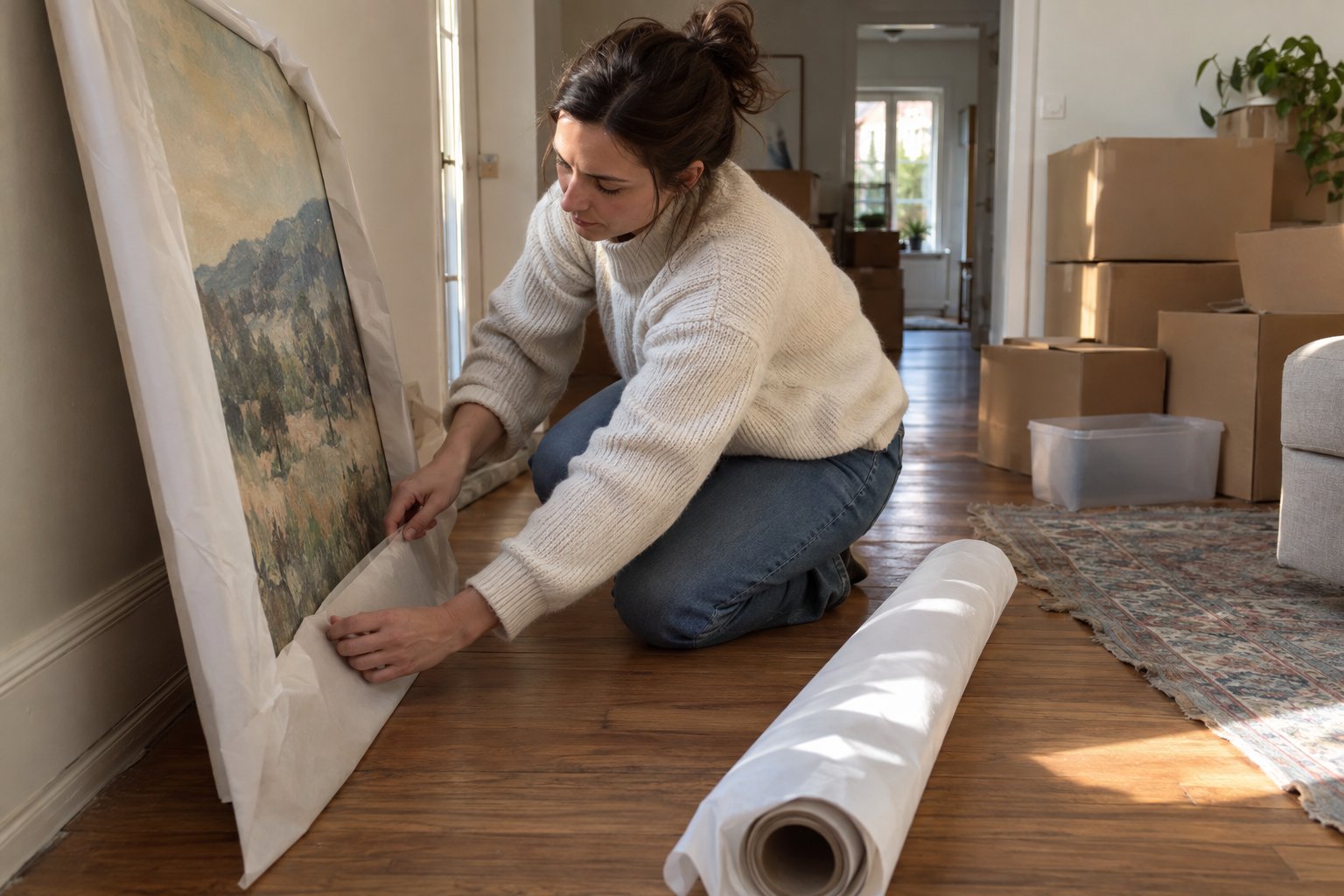
Fragile items require extra care to avoid damage. Wrap dishes individually with packing paper and place them vertically in boxes rather than stacking them flat. Use towels or clothing as additional cushioning when appropriate.
Fill empty spaces in boxes to prevent shifting during transport. Clearly mark fragile boxes and indicate which side should face up. Taking the time to protect breakables reduces the risk of loss and frustration.
An essentials box contains items you will need immediately upon arrival. This may include toiletries, medications, chargers, basic tools, important documents, and a change of clothes. Keeping these items easily accessible prevents unnecessary searching after a long moving day.
Pack one essentials box per person if needed and keep them separate from the rest of the load. This simple step can make the first day in your new home far more comfortable.
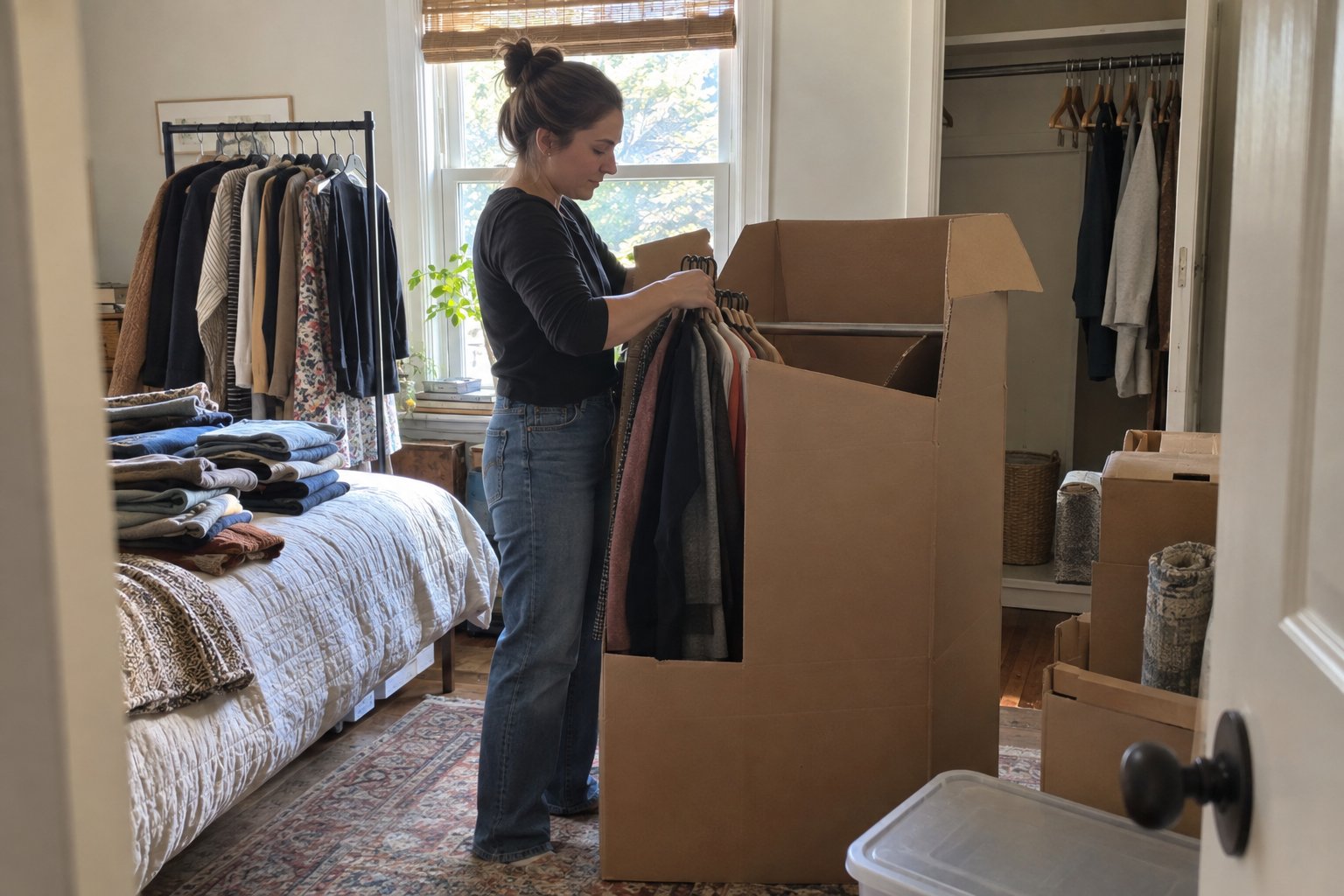
Efficient packing means using space wisely. Roll clothing instead of folding to save room and reduce wrinkles. Use suitcases, laundry baskets, and storage bins to transport items that already have space.
Fill gaps with soft items like socks or towels to prevent movement. However, avoid overpacking boxes, as this can lead to damage or make boxes unsafe to lift.
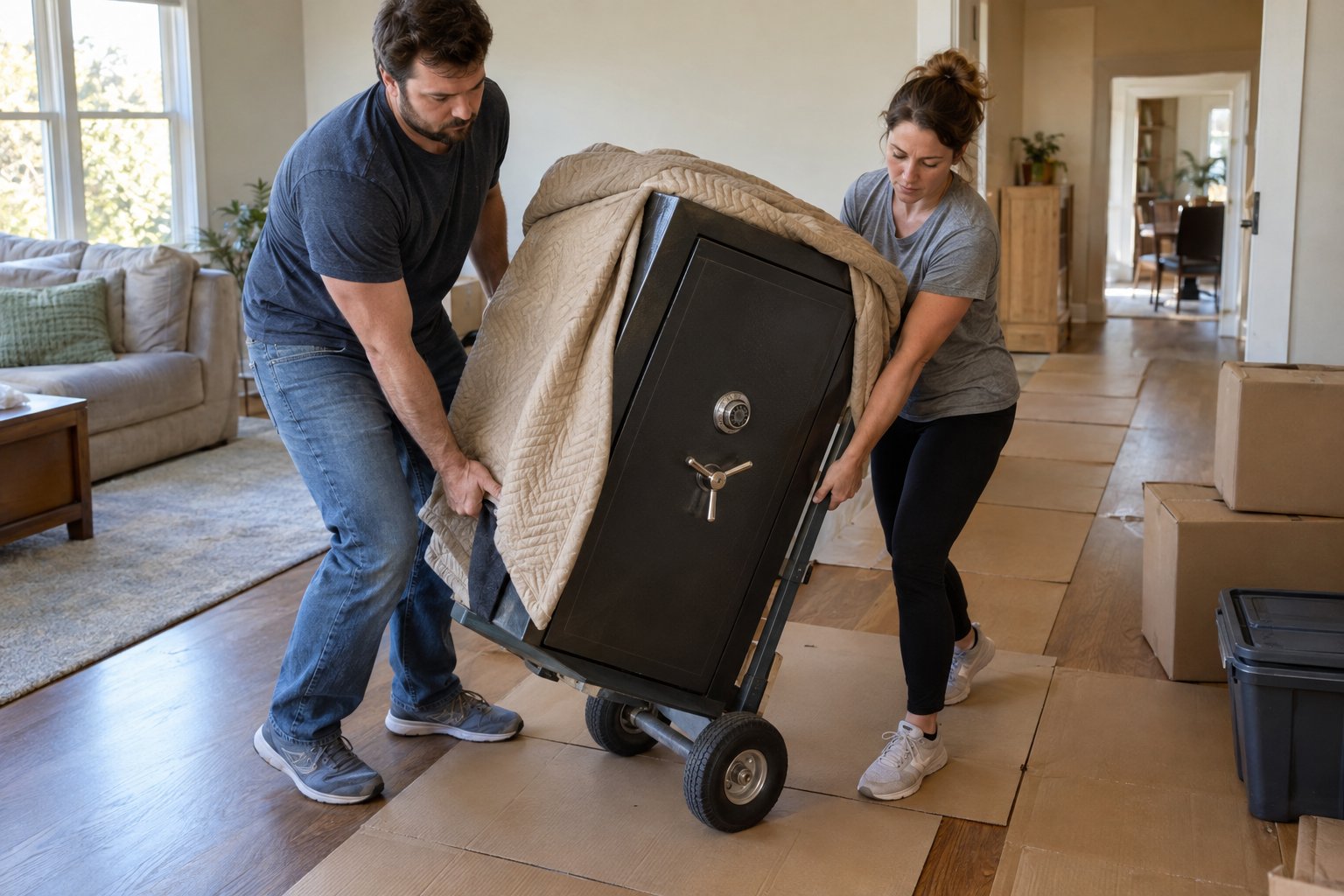
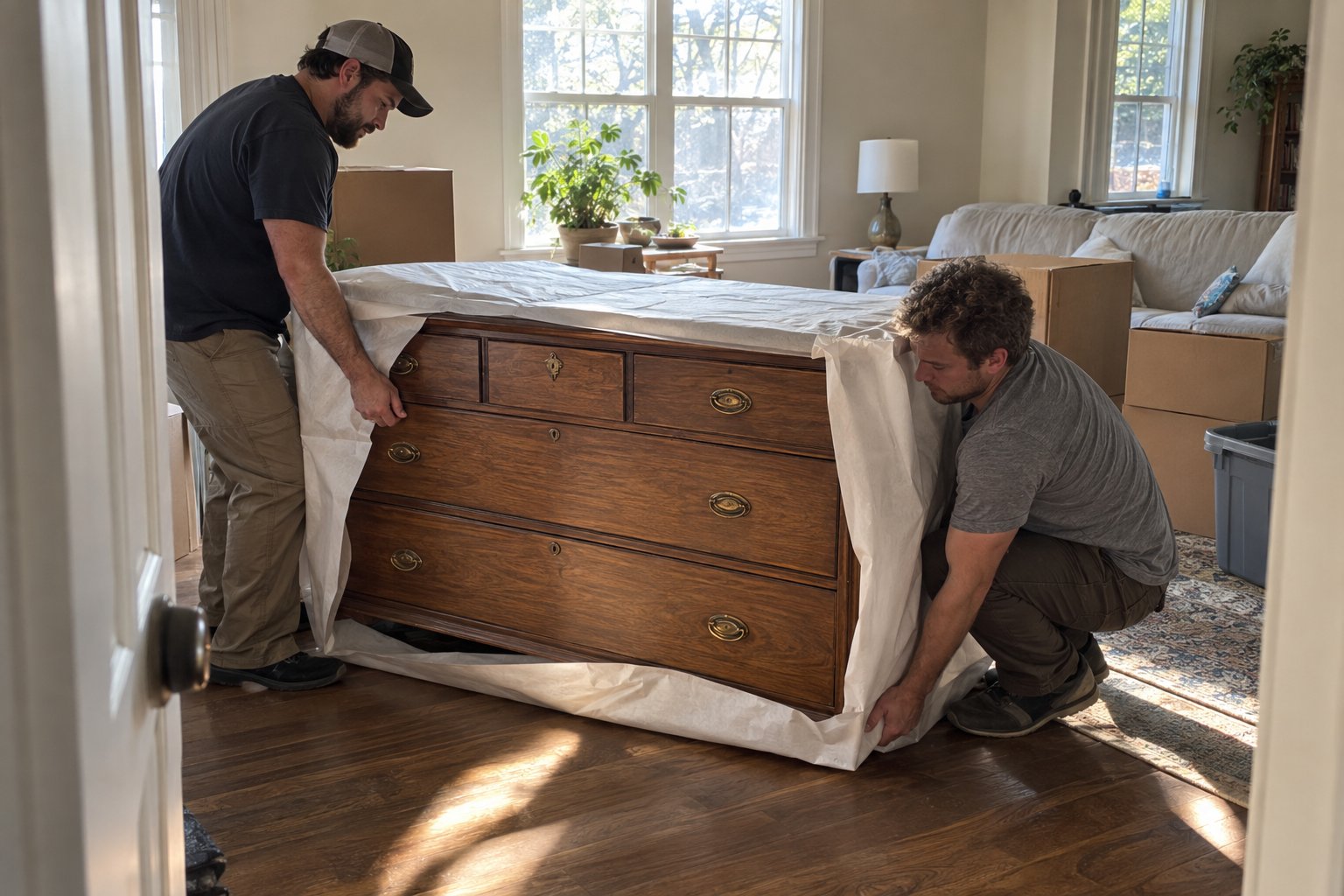
Disassembling furniture makes items easier to move and reduces the risk of damage. Remove table legs, bed frames, and shelving units if possible. Keep screws and small parts in labeled bags and tape them securely to the corresponding furniture.
This step saves space in the moving truck and simplifies loading and unloading. Taking photos before disassembly can also help with reassembly later.
Important documents such as identification, financial records, and contracts should never be packed with household items. Place them in a clearly marked folder and keep them with you during the move.
This ensures critical paperwork is safe and accessible at all times. Losing important documents during a move can create unnecessary complications.
Electronics should be packed with care to avoid damage. Use original boxes if available or choose boxes with proper padding. Wrap cords separately and label them so reconnecting devices is easier.
Backing up data before the move adds an extra layer of protection. This preparation ensures electronics are ready to use once you arrive.
Packing efficiently is not about speed alone but consistency. Set daily goals and stick to your plan. Taking regular breaks helps prevent burnout and mistakes.
Staying organized throughout the process reduces stress and makes the entire move more manageable. Efficiency comes from preparation and steady progress rather than last minute rushing.
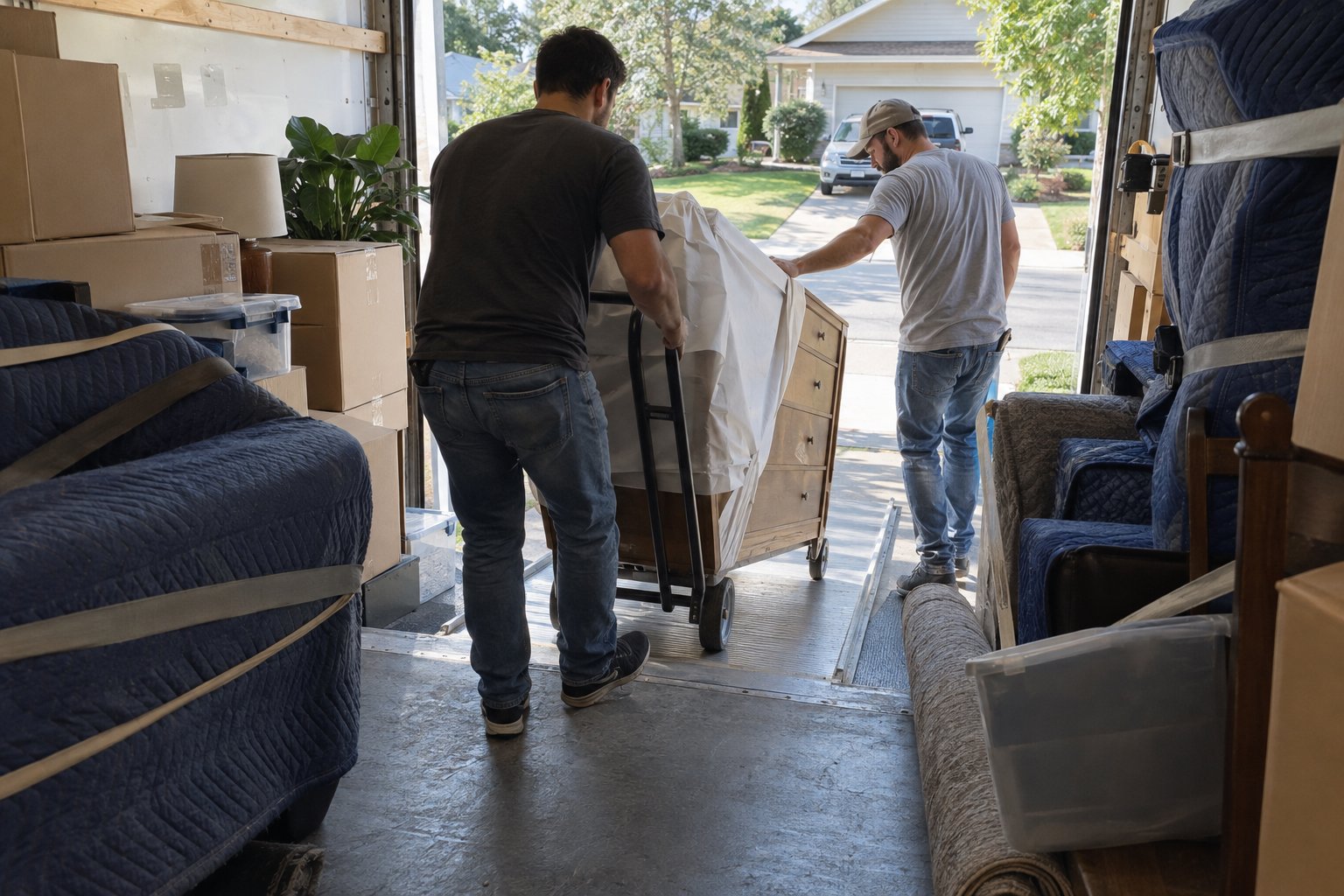
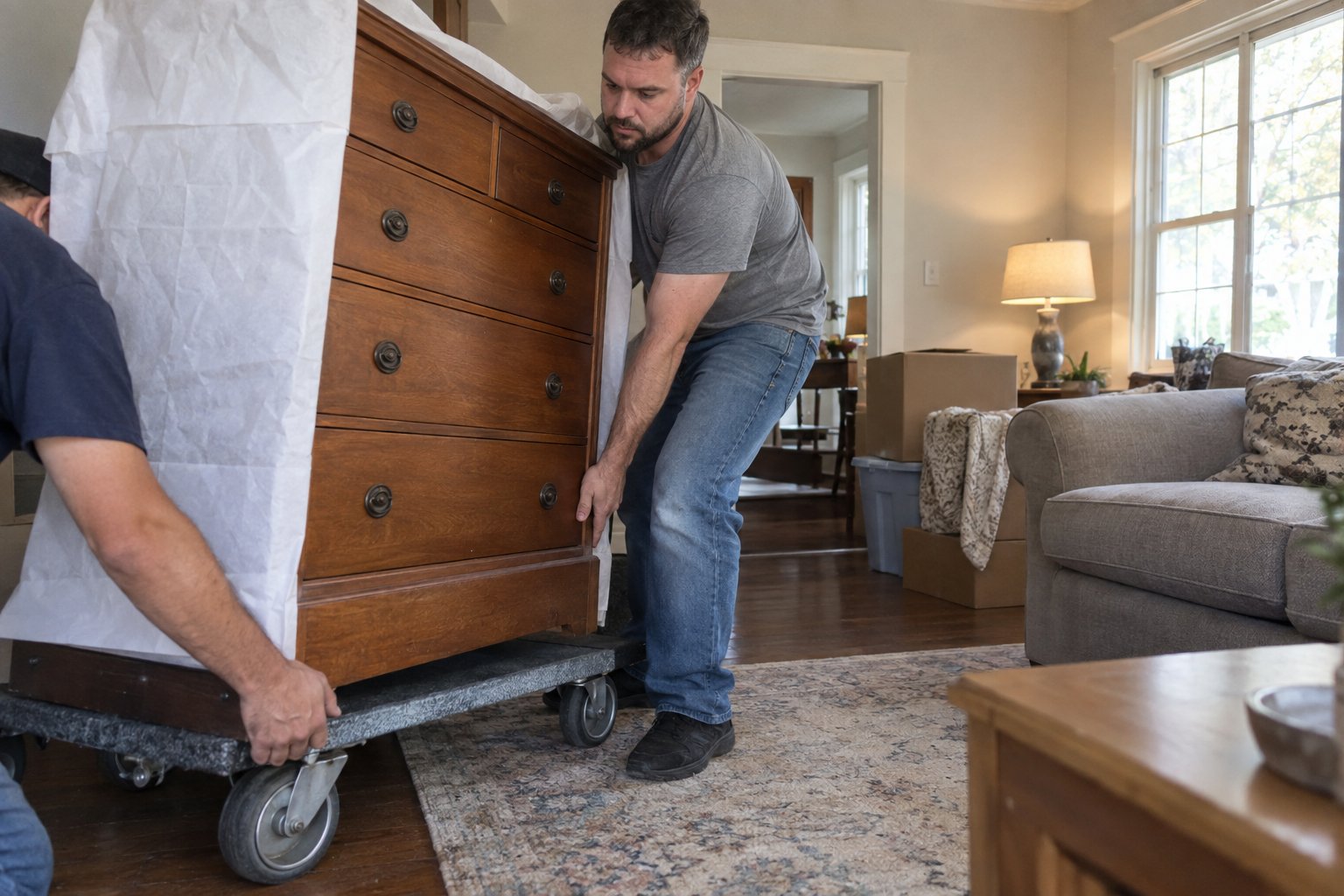
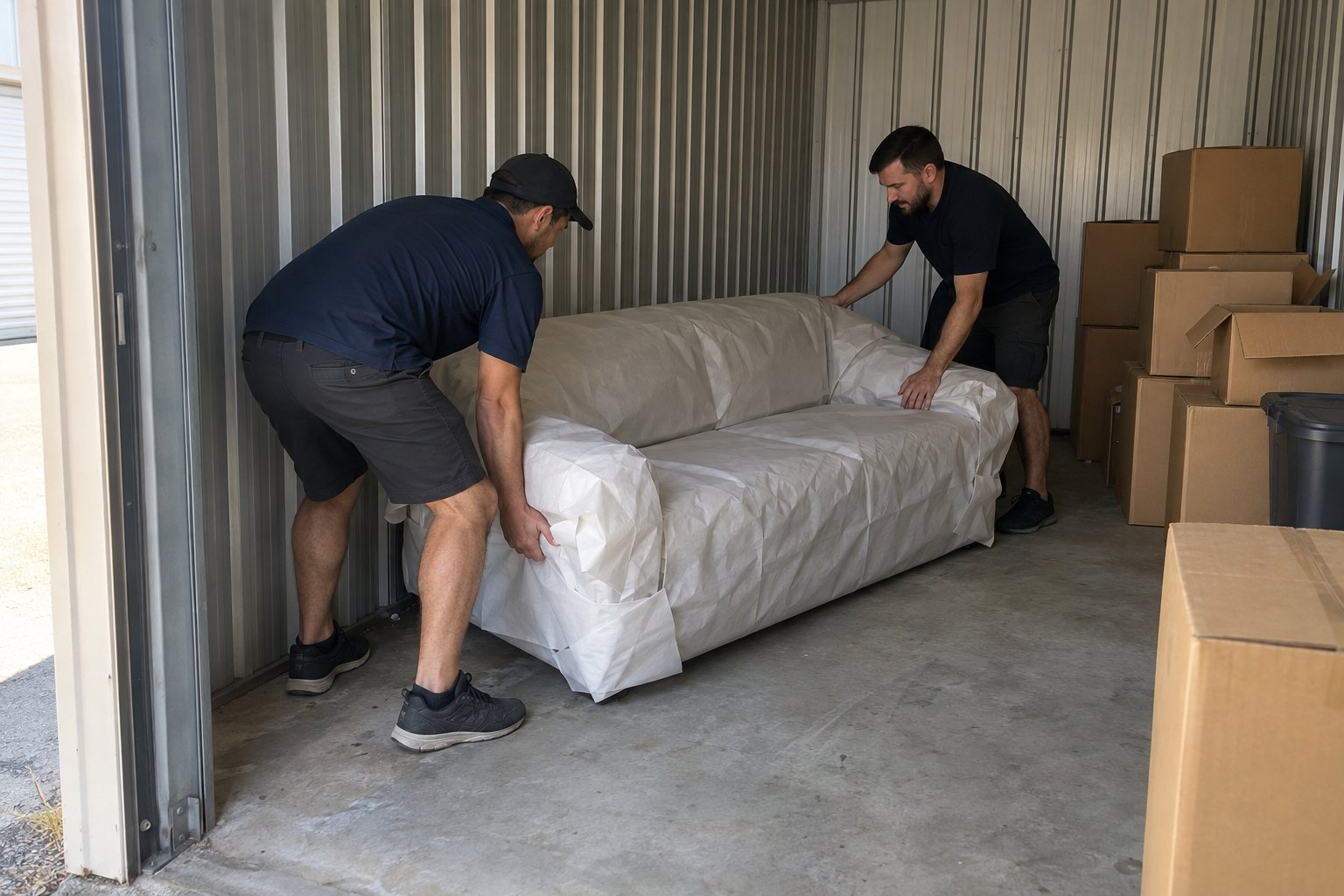
Sometimes the most efficient packing decision is hiring professionals. Experienced movers understand how to pack quickly while protecting your belongings. They bring the right materials and techniques to handle everything from fragile items to large furniture. Choosing professional packing services can save time and help ensure your belongings arrive safely.
If you prefer assistance or want to ensure your move stays on schedule, working with a trusted moving company can make a significant difference.
If you are planning a relocation that goes beyond your local area, BC Brothers also offers reliable long distance moving services to support your move from start to finish. You can reach them at info@bcbrothersmoving.com or call (912) 658-5700 to discuss your moving needs and get reliable assistance from a team that understands how important careful packing can be.
FAQs
1. What is the first step in packing efficiently for a move?
The first step is creating a clear packing plan and timeline. Planning helps you avoid last minute stress, prioritize rooms, gather supplies early, and pack gradually. Starting with low use areas allows you to build momentum while keeping daily life organized during the move.
2. How far in advance should I start packing for a move?
Most households should begin packing at least three to four weeks before moving day. Starting early allows time to declutter, organize belongings, and pack carefully. Early packing reduces mistakes, prevents rushed decisions, and helps ensure fragile items are properly protected.
3. How can I reduce the number of boxes when packing?
You can reduce boxes by decluttering before packing and using items like suitcases, bins, and drawers to transport belongings. Rolling clothes and filling gaps with soft items also maximizes space, allowing you to pack more efficiently without overloading boxes.
4. What items should not be packed with household boxes?
Important documents, valuables, medications, and personal essentials should not be packed with household items. These should be kept with you during the move to prevent loss or damage. Keeping them separate ensures quick access and peace of mind on moving day.
5. Is professional packing worth it for a move?
Professional packing can be worth it if you want to save time and reduce stress. Experienced movers use proper materials and proven techniques to protect items. This service is especially helpful for fragile belongings, tight schedules, or large households needing efficient packing support.
BC Brothers Moving & Storage is a locally owned, licensed and insured moving company rated 4.9 stars across 800+ reviews. Residential, commercial, long-distance, packing and storage — handled by one crew.
Movers in Savannah·Residential Moving·Packing Services·Long-Distance Moving·Storage

.svg)


.svg)
.svg)