Serving Savannah, GA & Austin TX


Mon - Sunday: 8am- 8pm


A storage unit and a portable container solve the same basic problem, somewhere to put your belongings when your move-out date and move-in date do not line up, but they solve it in very different ways. A storage unit means you load a truck, drive to a facility, and unload into a space that stays put. A portable container comes to you, sits in your driveway while you load it on your own schedule, and then either stays there or gets picked up and moved to its next stop. Neither is wrong. The right one depends on how much handling you want to do, how much control you need over timing, and what your home and driveway can actually accommodate.
A storage unit is a fixed space you rent at a facility: you bring your things to it. A portable container is a mobile unit delivered to your address: it comes to your things. That one distinction drives almost every other difference between them, including how many times your boxes get handled, how much lifting falls on you, and how flexible your timeline can be.
With a storage unit, you typically load a truck or trailer once, drive to the facility, and unload into the unit. If you need to add or retrieve items later, you make another trip. With a container, you load it in place over however many days the rental allows, and when you are ready, it is hauled to storage or straight to your new address without a second loading step in between.
A portable container usually saves a step in the timeline because loading and final transport can happen without an extra stop at a facility. A storage unit typically means a dedicated trip to load the truck, a drive, and a trip to unload, which adds hours to the day even for a small load.
If your move-out and move-in dates are close together, a storage unit still works fine since the time difference is minor. The gap matters more when there is a longer wait between leaving one address and reaching the next. In that case, a container that can sit on-site or be routed directly to the new home cuts out a layer of handling.
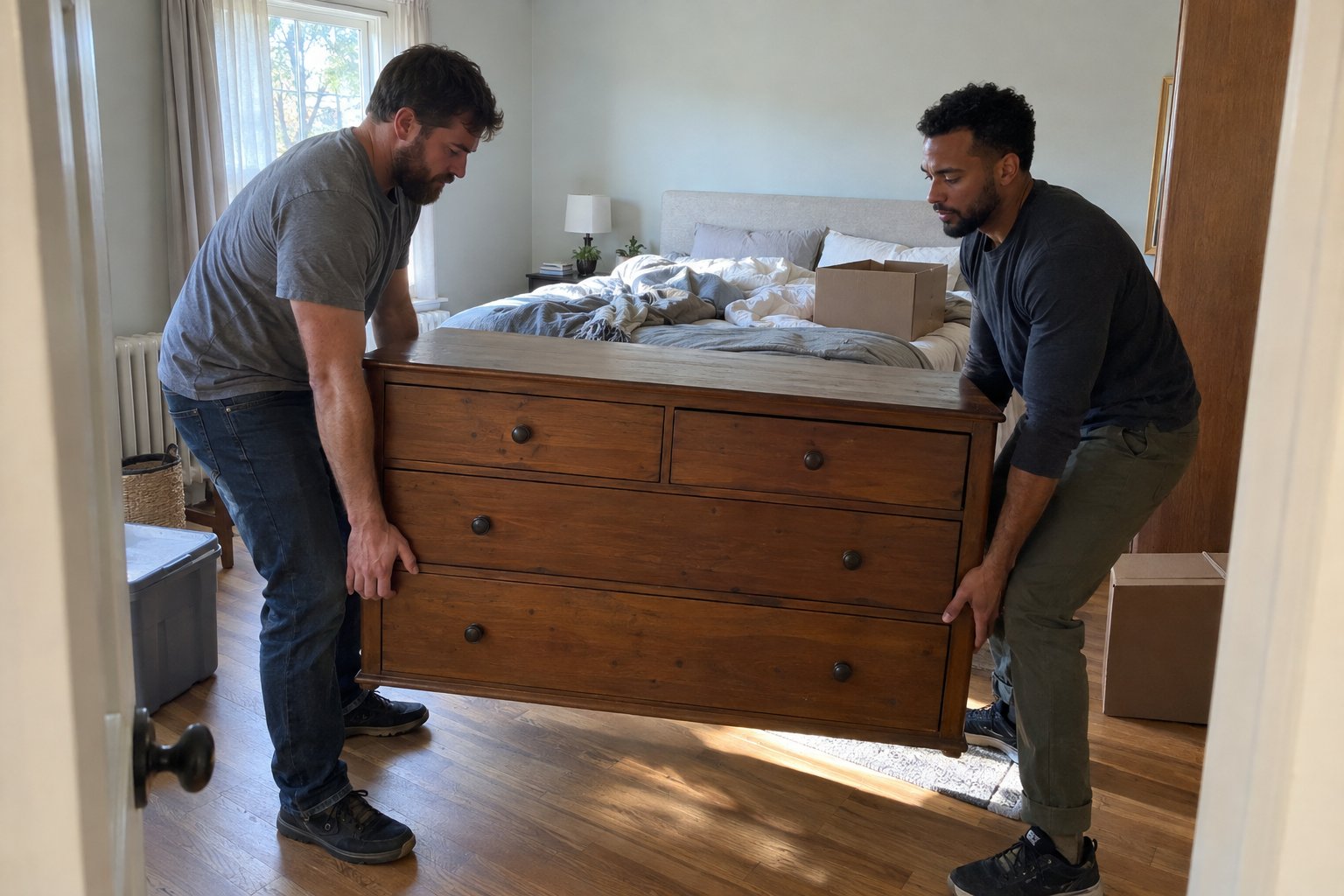
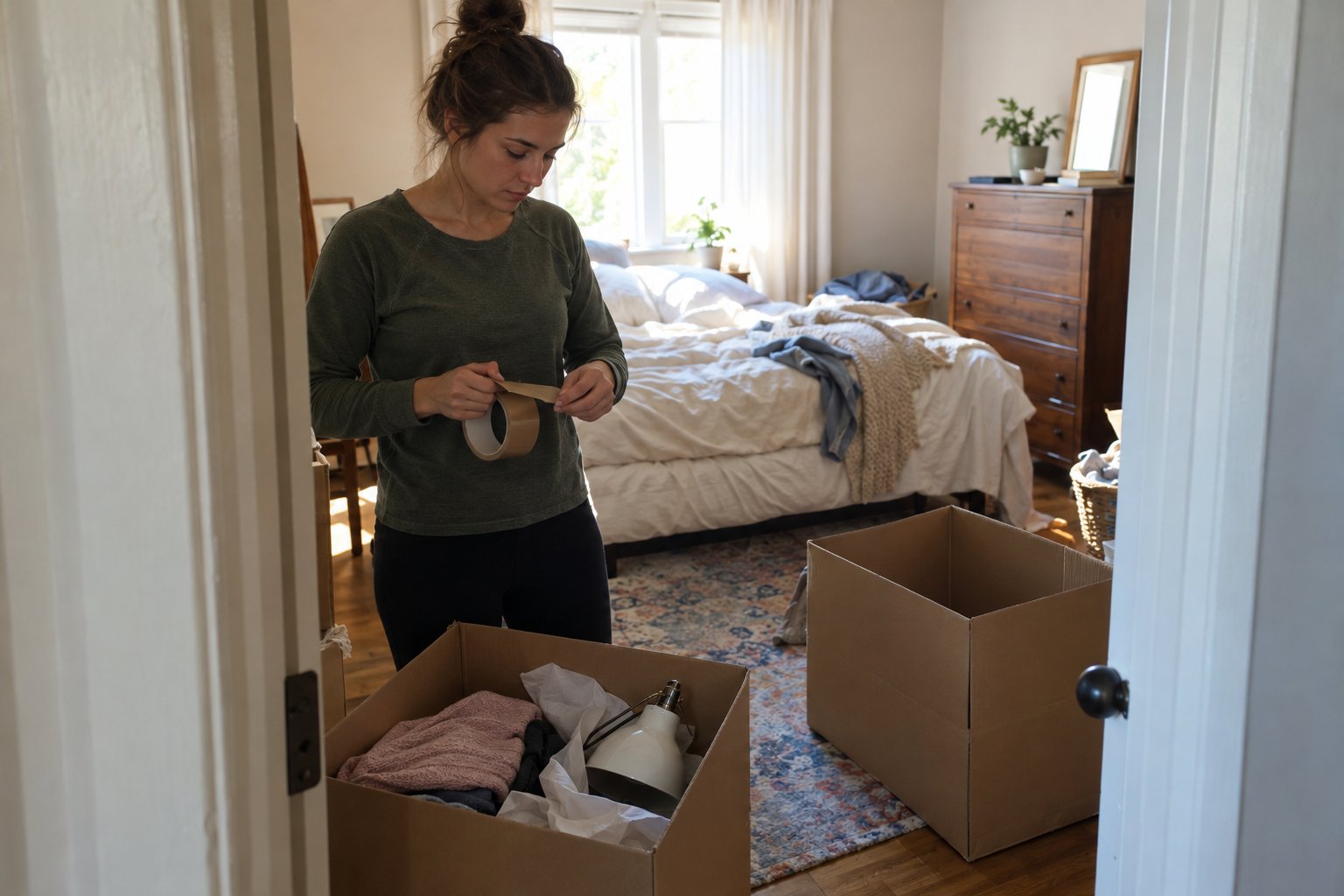
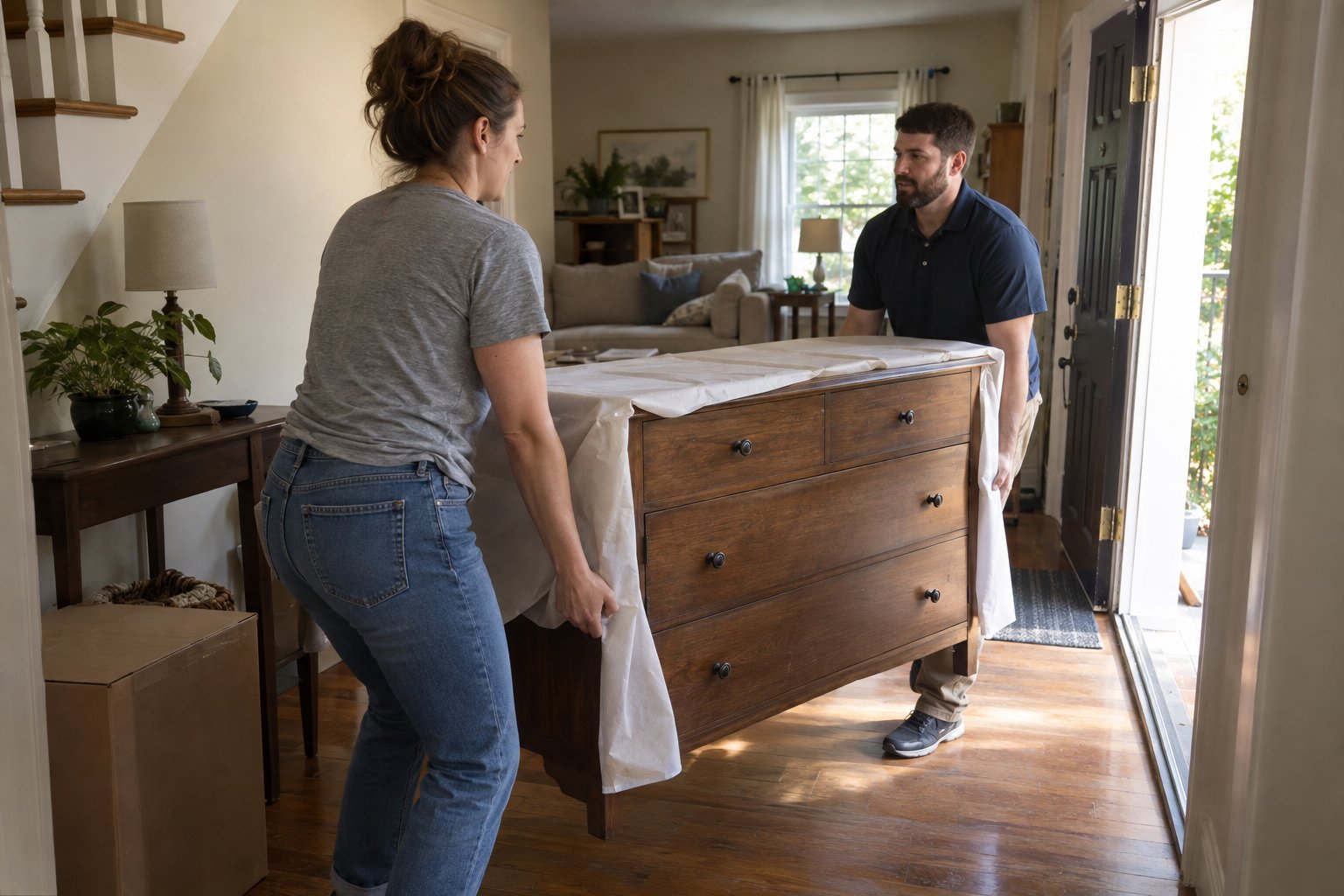
A portable container generally takes less physical effort because you load it once, in your own driveway, without carrying everything a second time at a facility. A storage unit asks you to load a truck, then unload it again into the unit, which means every box and piece of furniture gets handled twice before it is even in storage.
That second handling step is where strain and minor damage tend to happen, scuffed doorframes, a dropped box, a sore back from an extra round of lifting. If you are doing the loading yourself, the container's single-load setup is the lighter lift. If movers are doing the loading for you, the effort difference matters less to you personally, though it can still affect how long the job takes.
Fewer handling steps generally means fewer chances for something to get dropped, scratched, or loaded poorly, which puts portable containers slightly ahead on risk for fragile or heavy items. A storage unit's extra load-and-unload cycle is not dangerous by itself, but it does double the opportunities for a mistake.
Containers do carry their own risk: they often sit outdoors on a driveway or street, exposed to weather and, depending on your area, foot traffic. A storage facility, especially one offering climate-controlled storage, can better protect items sensitive to humidity or temperature swings over a longer stay. If you are storing for weeks or months rather than days, that controlled environment often outweighs the handling advantage of a container.
A portable container suits a move with a flexible timeline, a driveway or street space where a unit can legally sit, and a preference for loading at your own pace. A storage unit suits a move where the items need to stay protected for an extended period, where no space exists to park a container, or where you would rather make one organized trip than manage an on-site loading window.
If you are downsizing and keeping items in storage for months while you decide what to do with them, the steadier environment of a unit is usually the better fit. If you are closing on a new home a week or two after your lease ends and just need a buffer, a container that can be loaded once and moved when you are ready often fits more naturally into that short gap. Check with your HOA or local authority before reserving a container, since not every property allows one to sit on-site for an extended period.
For the typical local move with a short gap between addresses, a portable container is usually the simpler choice because it avoids the extra loading trip and adapts to a schedule that shifts by a few days. For a longer storage period, or when protecting furniture from temperature extremes matters, a storage unit is usually the safer call.
As a rule of thumb, if your gap between move-out and move-in is under about two weeks, lean toward a container; if you are looking at a month or more, lean toward a unit. Either way, get a written quote from BC Brothers Moving before you commit, so you know what loading or transport help is included for the option you choose.
If you are moving in or around Savannah, GA or out toward Richmond Hill, both options are common choices depending on timeline and property layout. Whichever you choose, the USPS change of address process is worth setting up early so your mail keeps following you through whichever gap you end up with.
If you are still deciding how long you will actually need the space before committing to either option, it helps to work backward from your real move-out and move-in dates rather than guessing at a rental length.
Planning your move? Request a quote from BC Brothers Moving and Storage.
Many can, but it depends on your property and any HOA or local rules about where a unit can be parked. Check with your building or local authority before reserving one, especially if you expect to need it for more than a couple of weeks.
Most providers prefer someone on-site to confirm placement and make sure the unit is positioned where you want it to be loaded. Ask the provider directly about their delivery and pickup process when you book.
It is possible in some cases, but it is easier to decide upfront based on your timeline and property, since switching mid-move usually means an extra loading step either way.
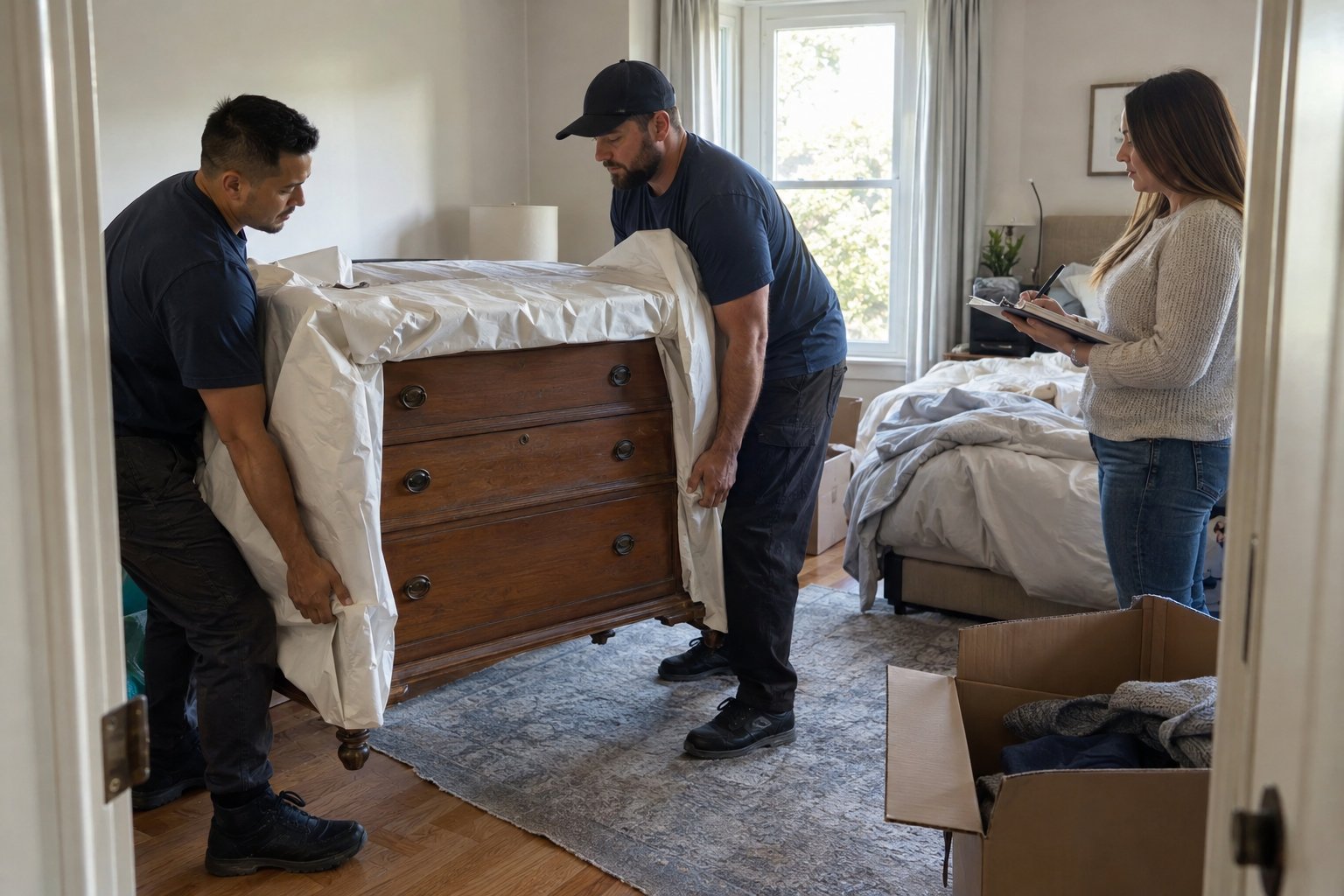
Let them know which option you are using so they can plan the right equipment and loading order, since a single-load container and a two-step storage unit load differently.
Walk through your home room by room and estimate by furniture count and box volume rather than guessing, and ask your moving company for guidance if you are unsure.
BC Brothers Moving & Storage is a locally owned, licensed and insured moving company rated 4.9 stars across 800+ reviews. Residential, commercial, long-distance, packing and storage — handled by one crew.
Movers in Savannah·Residential Moving·Packing Services·Long-Distance Moving·Storage