Serving Savannah, GA & Austin TX

.png)
Mon - Sunday: 8am- 8pm

.svg)
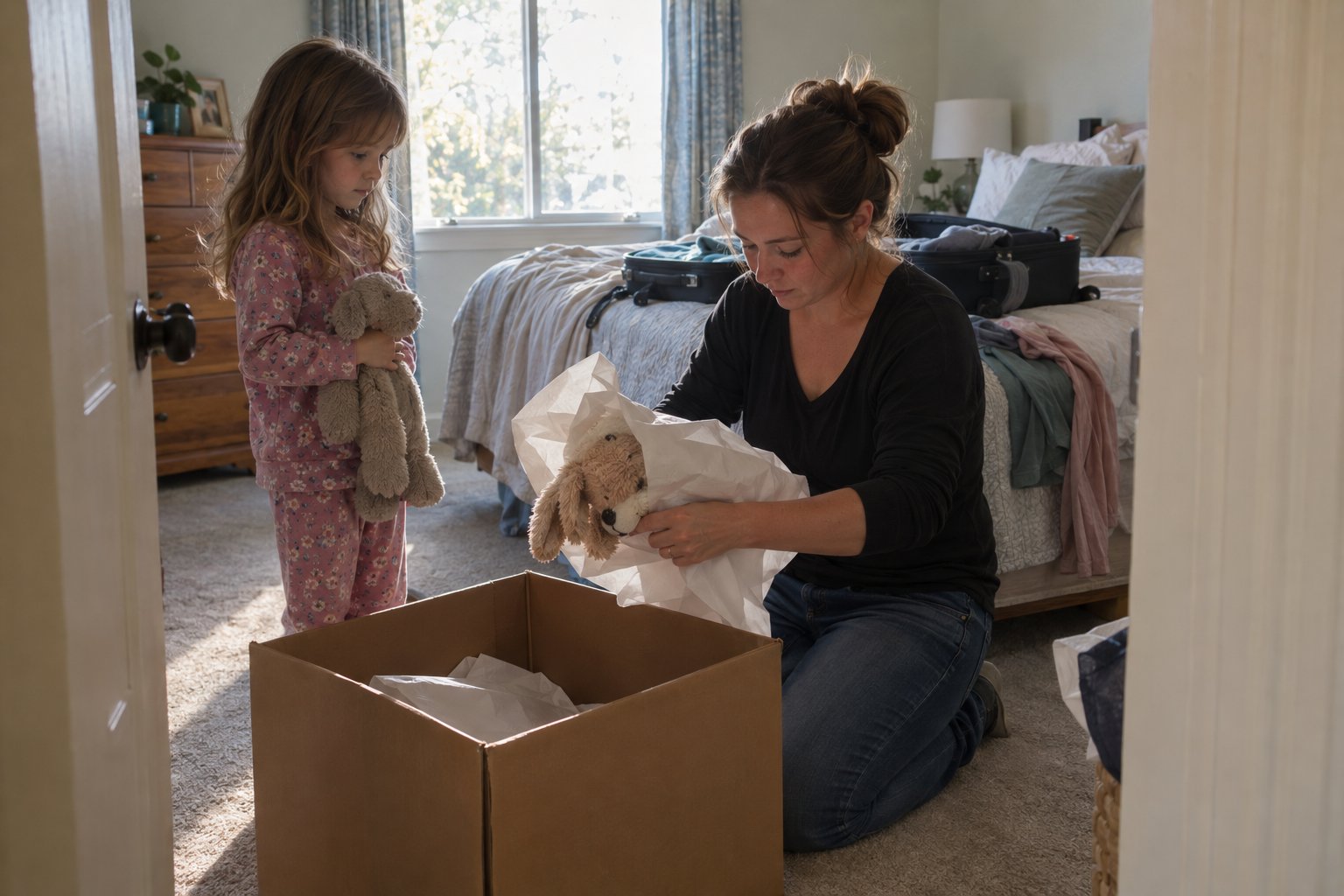
Moving with kids adds a layer of logistics that has nothing to do with boxes and everything to do with emotions, routines, and keeping small people safe while a truck is being loaded. A move that feels exciting to adults can feel like losing control of everything familiar to a child. The good news is that most of the stress around moving with kids comes down to timing, communication, and a few deliberate choices on moving day itself.
Tell children about the move as soon as plans are firm, using simple, honest language that matches their age. Give them a reason to feel involved, such as picking the paint color for their new room or choosing which box to decorate, so the move feels like something happening with them rather than to them.
For younger children, a short, concrete explanation works better than a long conversation: "We are moving to a new house in three weeks. Your bed and toys are coming too." For school-age kids, bring up the topics they will actually worry about: new school, new friends, whether their pet is coming, and what happens to their room. Answer questions directly instead of deflecting them, and revisit the conversation more than once as the date gets closer.
A paper calendar on the fridge where kids can mark off days tends to reduce anxiety more than verbal reminders alone, because it gives them a visual sense of when the change will actually happen. If your family is relocating from outside the area, walking through what relocating to a new city actually involves can help you set realistic expectations for the kids about timing and transition.
Pack out-of-season items, rarely used toys, and non-essential decor first, and keep each child's current favorites, comfort items, and daily-use clothing out of the moving boxes until the last possible day. This protects the one or two things that actually matter to a child's sense of stability during a chaotic week.
Set up a "first night" bag for each child separately from general packing, similar to an overnight bag: a stuffed animal or comfort object, pajamas, a toothbrush, one or two toys, and a change of clothes. Label it clearly and keep it with you rather than on the truck, so it is never at risk of being unloaded last or misplaced.
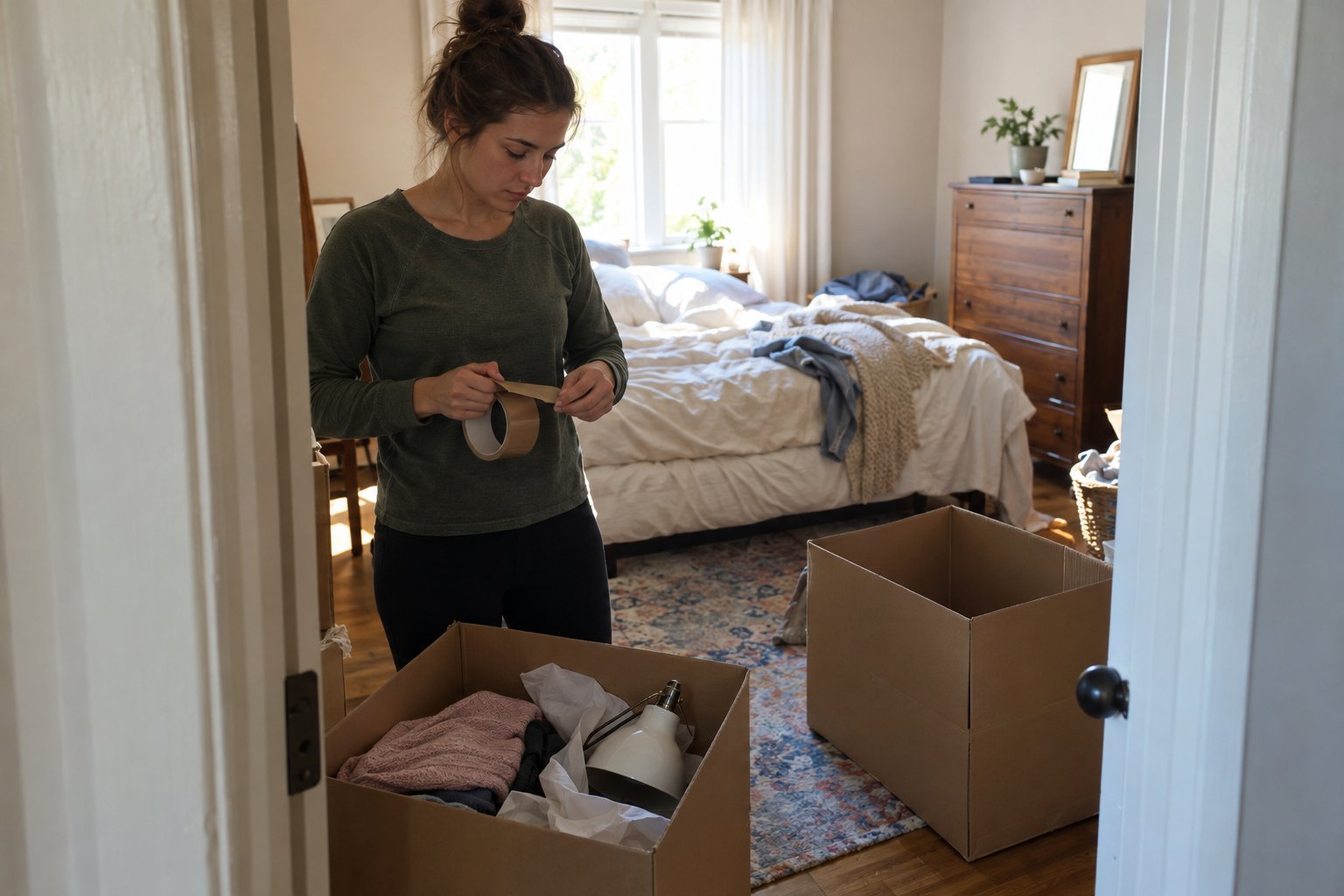
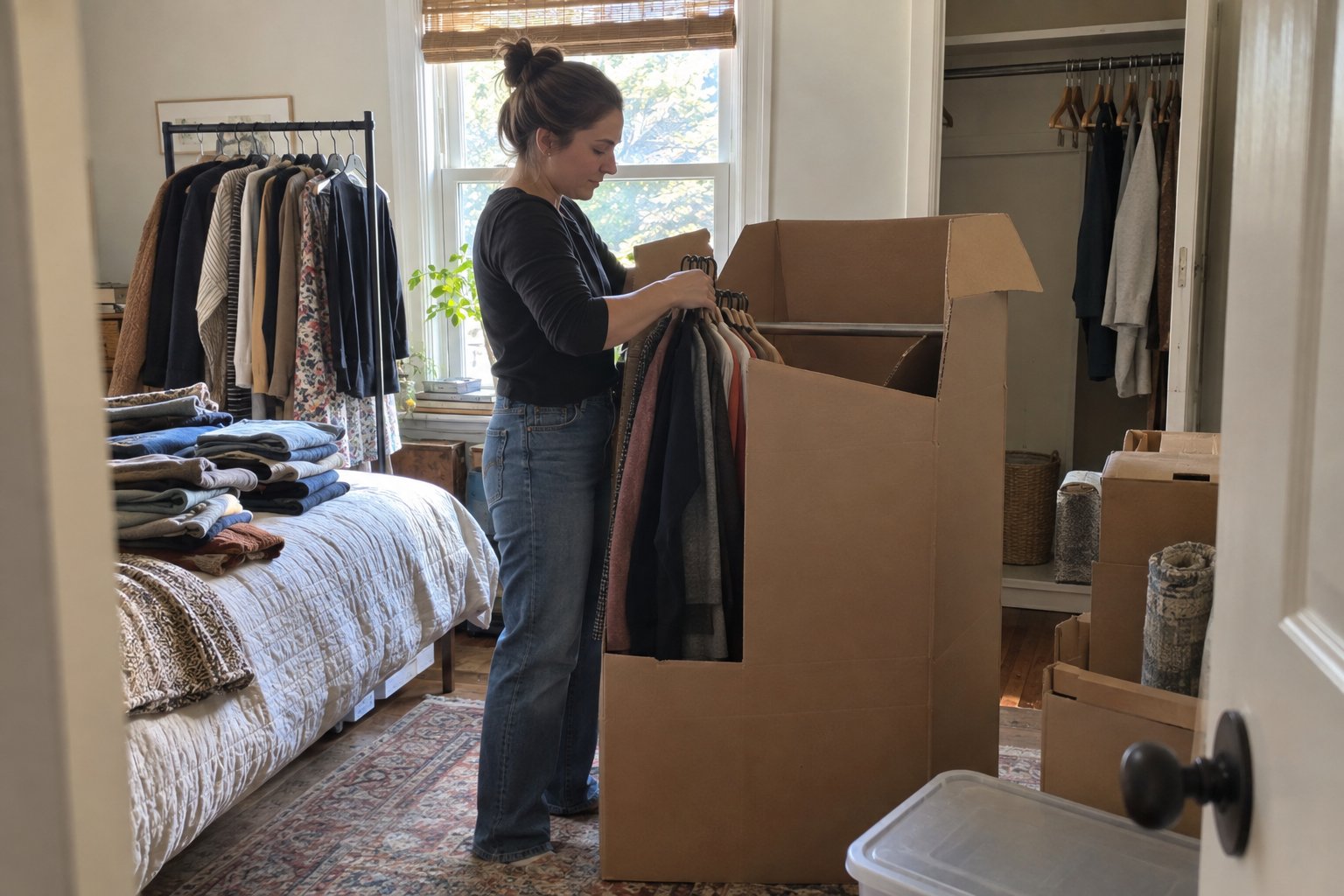
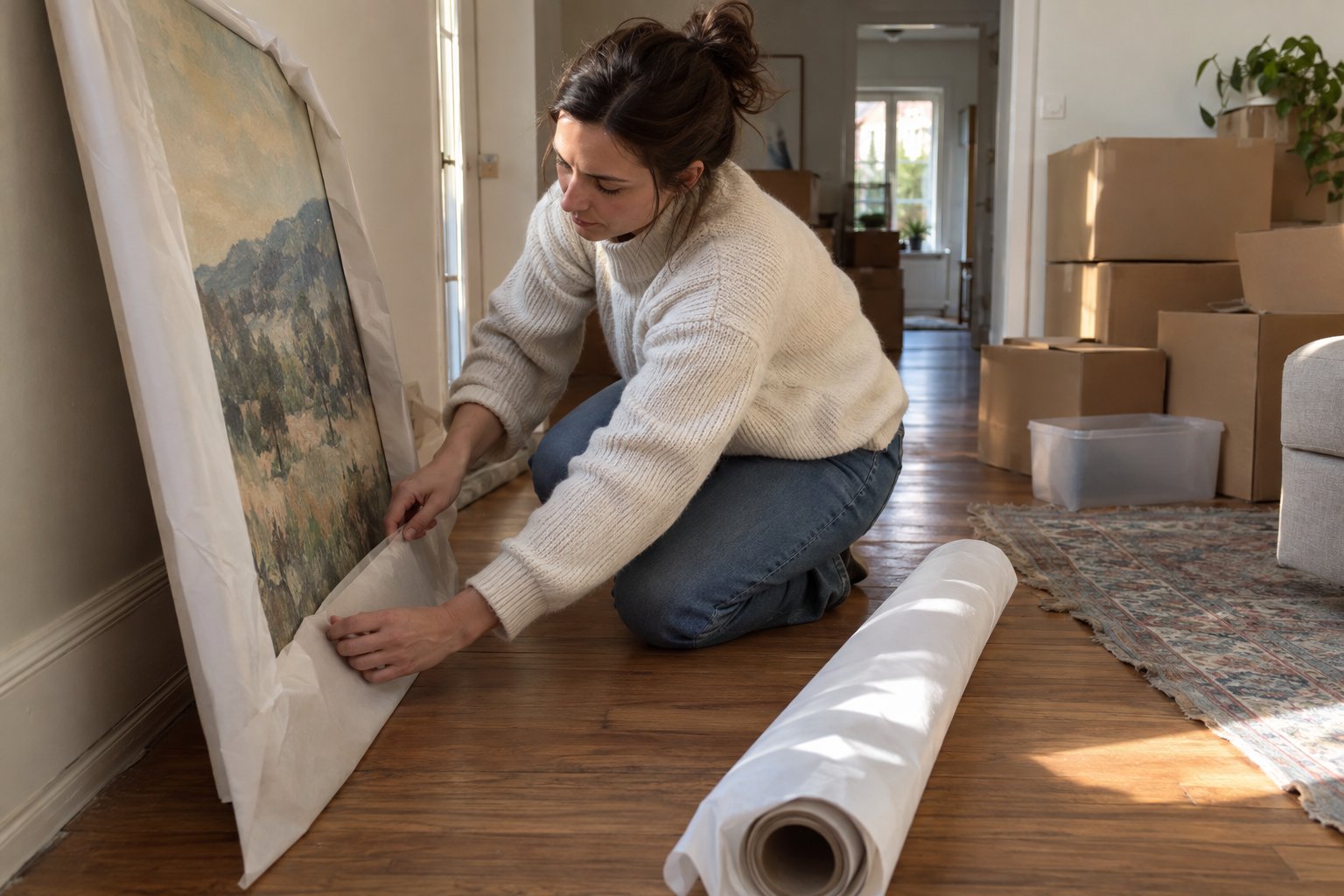
Older kids can pack their own rooms with light supervision. Letting them choose what goes in which box, and letting them label their own boxes, gives them a sense of control that tends to reduce resistance to the move overall. If you would rather have the packing handled by someone else entirely, packing services can take that task off a parent's plate so the week leading up to the move is less of a scramble.
The safest and calmest option is to arrange for kids, especially toddlers and younger children, to be cared for away from the house while the heavy lifting happens. A moving truck, open doors, and stacks of boxes create real tripping and injury risks, and a day full of waiting is boring and stressful for a child with nothing to do.
If childcare isn't an option, set up a designated "safe zone" in one room that is packed last and unpacked first, stocked with a few toys, snacks, and something to watch or do. Assign one adult, if possible, to be the point person for the kids rather than splitting attention between supervising movers and supervising children.
School-age kids can be given small, real jobs: holding a roll of tape, carrying a lightweight labeled box to the car, or keeping an inventory checklist. Giving them a job makes the day feel purposeful instead of just long and confusing. Working with residential moving services for the loading and transport side frees up a parent to focus entirely on the kids instead of splitting attention between furniture and children on the busiest day of the move.
Toddlers adjust fastest when their physical environment and daily routine are rebuilt quickly in the new home. Set up the toddler's bedroom first, using the same bed, blankets, and nightlight from the old house, and keep nap times, mealtimes, and bedtime routines as close to normal as possible during the first week.
Expect some regression, clinginess, sleep disruption, or tantrums, for the first several days in a new environment. This is a normal reaction to a disrupted routine rather than a sign something is wrong, and it typically settles once the new space starts to feel familiar.
Walking a toddler through the new home before move-in day, even briefly, can help. Pointing out "this is your room" and "this is where we will eat breakfast" gives a toddler a mental map before the chaos of boxes arrives.
Older kids and teens need less physical reassurance than toddlers but more acknowledgment of what they are actually losing: a school, a friend group, a familiar neighborhood. Dismissing those losses as minor tends to backfire, while validating them and helping problem-solve around them usually builds trust.
Practical steps help here more than pep talks. Look up the new school together, find local sports leagues or clubs before the move, and let your teen keep in touch with their current friend group through video calls and visits rather than assuming the friendship will just fade. If the move is within the Savannah area, a visit to neighborhoods in Savannah together ahead of time can take some of the unknown out of it for a teen worried about where they'll be living.
Give teens a role in planning, whether that is researching the new area, helping choose furniture layout for their own room, or managing their own packing timeline. A move handled collaboratively tends to generate far less resentment than one that is simply announced and executed.
The fastest way to help the whole family settle is to rebuild familiar routines in the new space within the first few days, rather than waiting until every box is unpacked. Bedtime rituals, regular mealtimes, and a predictable morning routine signal to kids of every age that life has stabilized even while the house itself is still a work in progress.
Unpack bedrooms and bathrooms before common areas so each child has a personal space that feels like theirs again as quickly as possible. If the move includes a temporary gap between homes, even a partial unpacking of a child's room, just the bed and a few favorite items, can make a short-term stay feel less unsettled.
If your move involves a storage period before you're fully in the new home, planning that timeline out in advance matters just as much for kids as for the rest of the household, since a drawn-out limbo tends to be harder on children than a clean, well-timed transition. Ready to lock in a moving date that works around school schedules and childcare? Get a moving quote and build your timeline around what's easiest for your kids.
BC Brothers Moving & Storage is a locally owned, licensed and insured moving company rated 4.9 stars across 800+ reviews. Residential, commercial, long-distance, packing and storage — handled by one crew.
Movers in Savannah·Residential Moving·Packing Services·Long-Distance Moving·Storage

.svg)



.svg)
.svg)