A solid moving day checklist breaks the day into three windows: the night before, the hours while the truck is loaded and unloaded, and the final walkthrough before everyone leaves. Treat each window as its own short list rather than one long to-do pile, and moving day stops feeling like chaos and starts feeling like a sequence you already know.
Most of what goes wrong on moving day traces back to the same cause: something that needed to happen earlier didn't. A charger packed in a sealed box, a parking spot nobody reserved, a landlord who needed two hours notice for the elevator. None of these are hard problems. They just need to be on a list you actually check the night before, not the morning of.
What Should You Do the Night Before a Move?
The night before is for finishing the small tasks that are easy to forget once the morning gets busy: packing a bag of essentials, confirming arrival times, and clearing a path for the crew. Do these the evening before, not at 7 a.m. while you're also trying to eat breakfast and corral kids or pets.
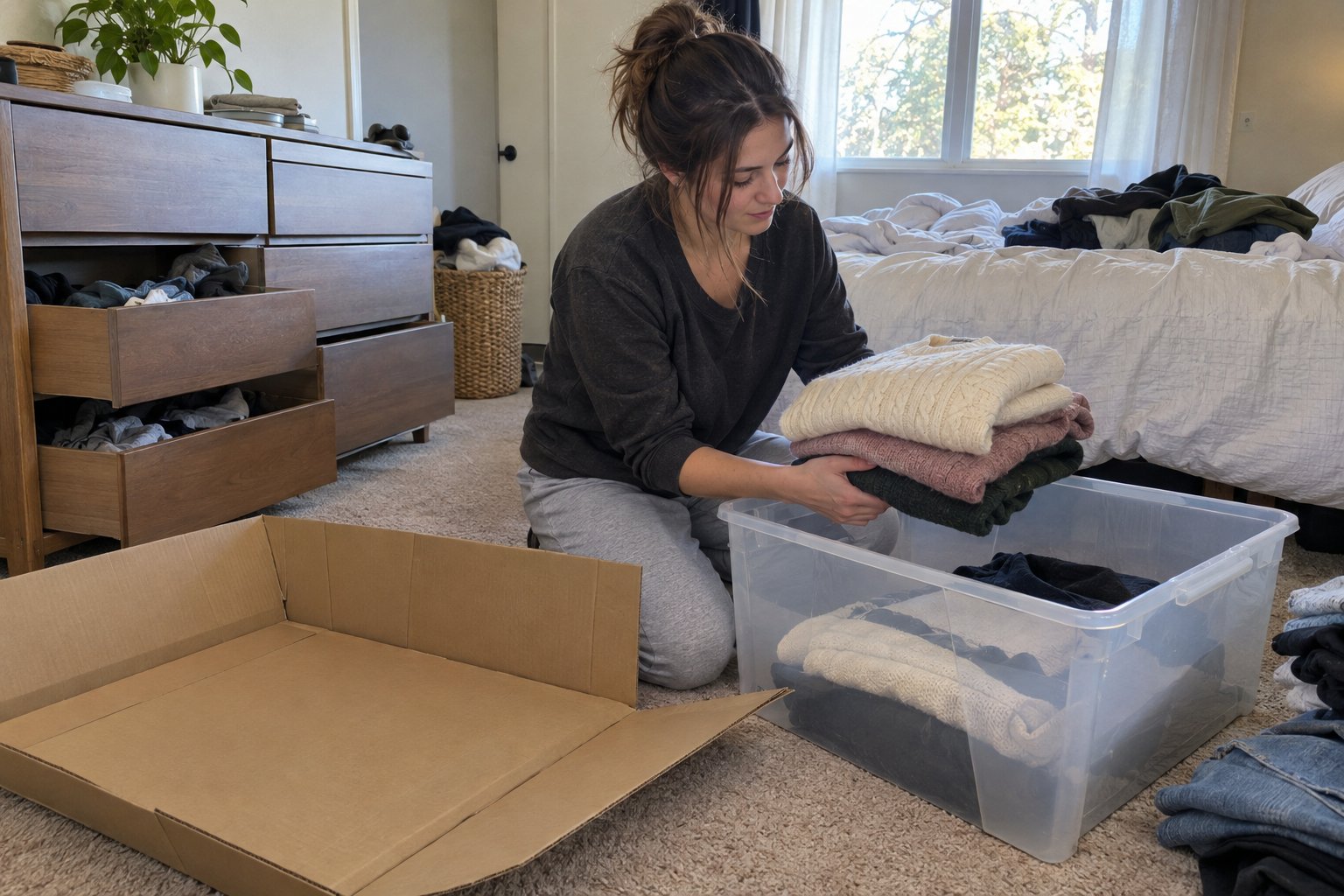
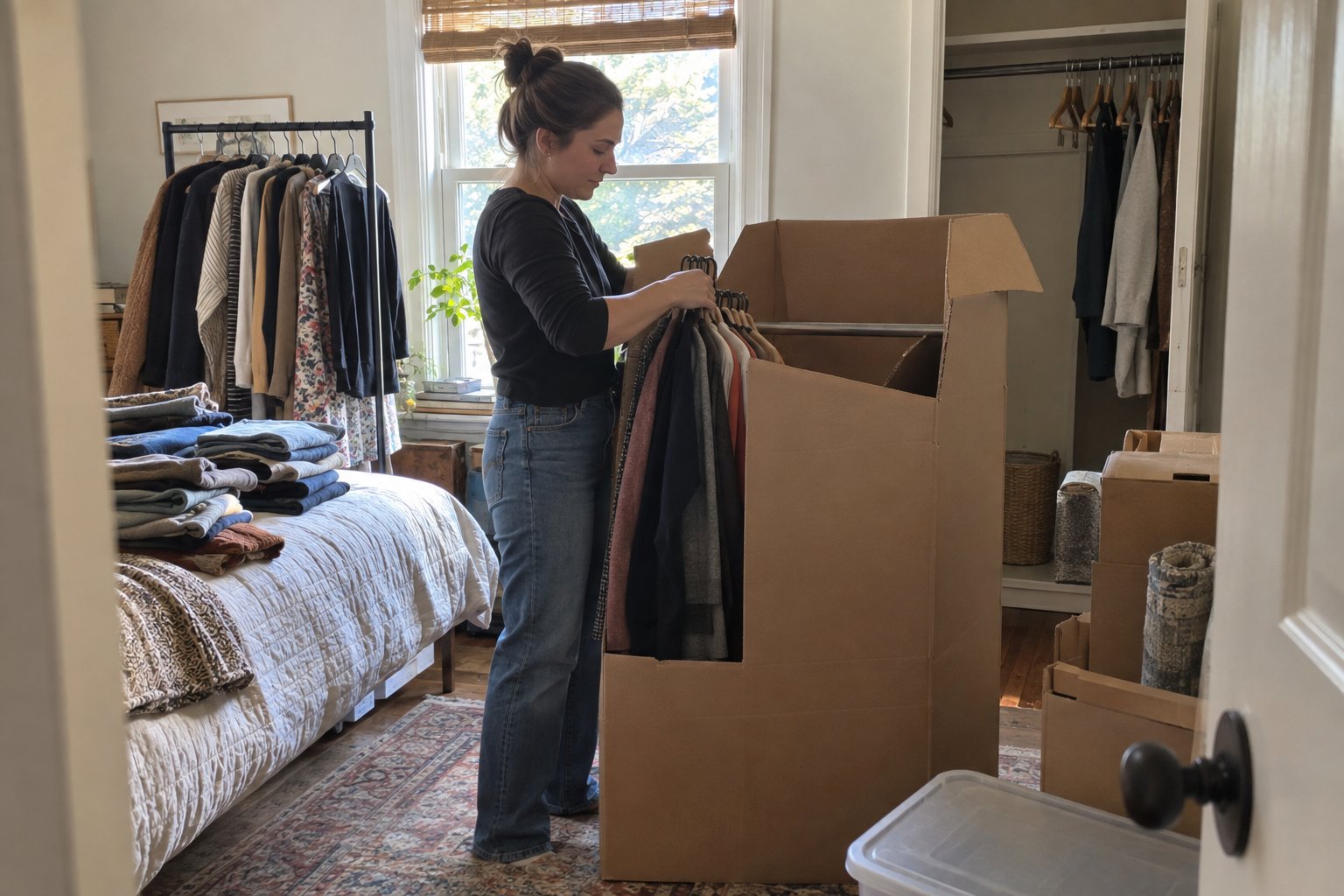
- Pack an essentials bag. Phone chargers, medications, a change of clothes, snacks, toiletries, and any documents you'll need immediately (lease, ID, confirmation details). This bag travels with you, never in the truck.
- Confirm timing. Call or text to confirm the arrival window for your crew, and check your parking reservation or loading dock access if your building requires one.
- Clear pathways. Walk the route from each room to the door and move anything that could trip someone carrying a box: shoes, rugs that slide, toys, cords.
- Set aside tools and hardware. Keep a small bag of screws and bolts from any furniture you disassembled, labeled by piece, somewhere it won't get packed into a random box.
- Charge everything. Phones, tablets, and any flashlight or headlamp you might need in a dim stairwell or garage.
What to Do on Moving Day Before the Truck Arrives
Before the crew shows up, do a final sweep of the home so nothing gets missed and nothing gets loaded by mistake. This is also when you take care of anything the building requires, like reserving an elevator or confirming a loading zone.
- Do a final room sweep. Check closets, cabinets above the fridge, the garage, and any outdoor storage. These are the spots people forget most often.
- Separate what's not going. Mark boxes or items staying behind (for donation, trash, or the next tenant) clearly so they don't end up on the truck.
- Take photos of electronics setups. A quick picture of the back of your TV or router before it's unplugged saves guesswork when you reconnect it later.
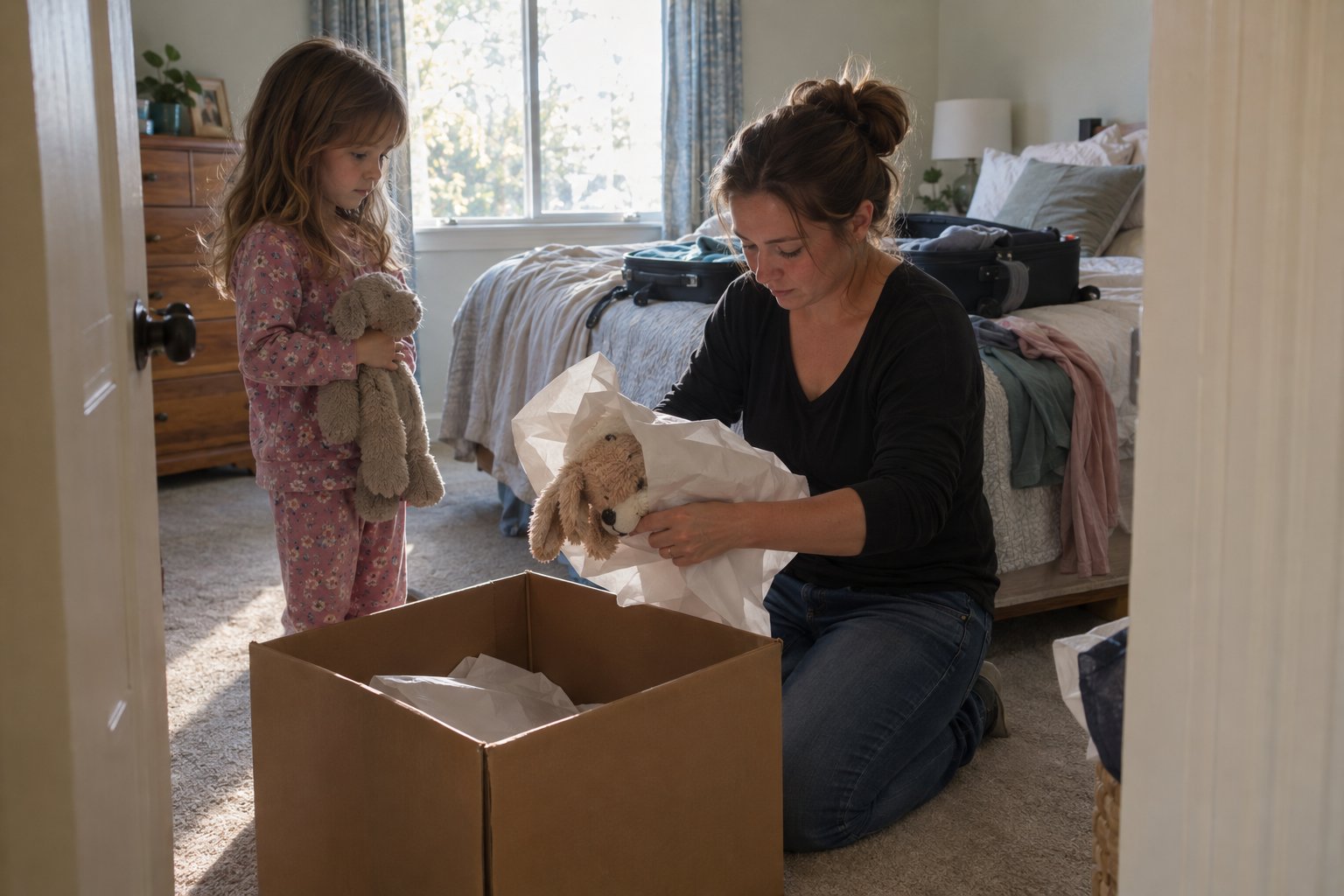
- Secure pets and kids somewhere safe. A crew moving boxes and furniture through open doors is not the environment for a curious toddler or a dog that bolts. A back bedroom, a sitter, or a friend's house works better than trying to supervise both the move and a child at once.
- Have payment and paperwork ready. Keep your inventory sheet, contract, and any tip you plan to give the crew in one accessible place.
What Should You Track While the Crew Loads and Unloads?
While loading is underway, your job is to stay available for questions and keep an eye on the inventory, not to lift boxes yourself. A good rule of thumb: plan for roughly one hour per room of loading time for an average household, so you can gauge whether the day is on track.
- Walk through with the lead mover first. Point out anything fragile, anything that needs special handling, and anything that absolutely cannot go on the truck.
- Keep the inventory sheet nearby. If your crew is tracking items, check in periodically rather than waiting until everything's loaded to review it.
- Note the loading order if it matters to you. Items you'll need first at the new place (tools, cleaning supplies) ideally load last so they come off first.
- Do a final empty-house walkthrough before the truck pulls away. Check every room, closet, and cabinet one more time once it's empty; it's much easier to spot a forgotten item in a bare room.
- At the new place, direct traffic room by room. Having boxes labeled by room (not just by category) means you can point to a doorway instead of repeating instructions for every box.
What Happens After the Truck Is Unloaded?
Once everything is off the truck, the last steps are confirming nothing was left behind, checking items against your inventory, and taking care of the crew before they leave. This is also the point to reconnect anything that was disconnected for the move.
- Check the truck is fully empty. Have someone look inside, including any compartments or the cab, before the truck leaves your old or new address.
- Compare items against your inventory. Flag anything missing or visibly damaged while the crew is still there, rather than discovering it days later.
- Reconnect major appliances in order. Washers, dryers, and anything with water or gas lines should be reconnected and tested before you fill them with your first load.
- Tip and settle up. If you're tipping the crew, have it ready at the end of the job.
- Locate your essentials bag first. Before you start unpacking anything else, find the bag you packed the night before.
Handling Your New Address and Utilities
Moving day itself isn't the only deadline; a few administrative tasks need to happen on roughly the same timeline so you're not without mail or power at the new place. File your change of address with USPS a few days before or on moving day itself so forwarding starts promptly, and confirm utilities at the new address are scheduled to turn on before you arrive, not after.
If you're moving within the Savannah, GA area, give yourself a buffer for traffic or weather on the drive between homes, especially if you're coordinating two move times in one day.
Who Should Handle What on Moving Day?
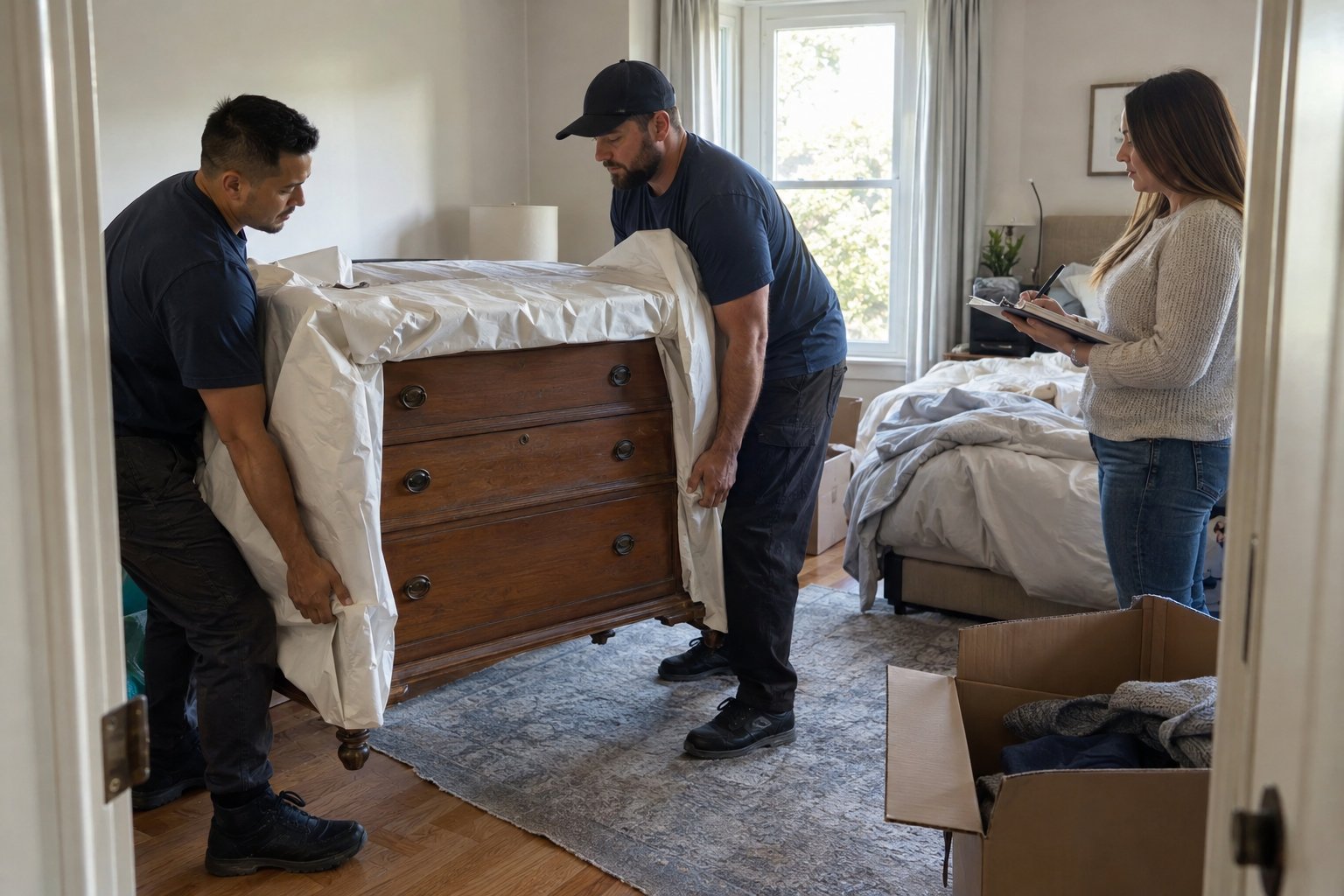
Dividing tasks ahead of time avoids the common problem of everyone assuming someone else is handling something. If you're working with a crew for residential moving labor, their job is the loading, carrying, and placement of furniture; your job is decisions, access, and anything personal or irreplaceable.
- The crew: loading, carrying, furniture placement, and basic protection of your floors and doorways.
- You or a designated point person: answering questions, directing where things go, and handling payment.
- A second person, if you have one: managing kids or pets, or doing the final walkthrough while you're occupied elsewhere.
If you're also managing storage as part of the move, decide ahead of time which boxes are going straight to storage and label them separately so they don't get mixed in with what's headed to the new home.
Frequently Asked Questions
Planning your move? Request a quote from BC Brothers Moving and Storage.
Moving in or out of Savannah, GA or Austin, TX?
BC Brothers Moving & Storage is a locally owned, licensed and insured moving company rated 4.9 stars across 800+ reviews. Residential, commercial, long-distance, packing and storage — handled by one crew.
Movers in Savannah·Residential Moving·Packing Services·Long-Distance Moving·Storage