Serving Savannah, GA & Austin TX

.png)
Mon - Sunday: 8am- 8pm

.svg)

Learning how to organize a garage sale is one of the most practical ways to declutter your home, earn extra cash, and simplify an upcoming move. A well organized garage sale allows you to reduce the number of items you need to pack while giving unwanted belongings a second life. When paired with reliable residential moving services, this process can significantly reduce stress and help you transition smoothly into your next home.
This guide walks you through every stage of organizing a garage sale, from early planning to closing day cleanup. Whether you are preparing for a move or simply trying to clear space, following a structured process will help you stay in control and get better results.
A garage sale helps you reduce clutter quickly while putting money back in your pocket. Items that no longer serve you can become valuable to someone else. Selling before a move also lowers moving costs since fewer items require packing and transport.
Beyond financial benefits, garage sales provide a sense of closure. Letting go of unused items makes packing easier and helps you start fresh in your next home with only what you truly need.
Before gathering items, decide what success looks like for your garage sale. Some people aim to make as much money as possible, while others want to clear space quickly. Your goal will influence pricing, setup, and how long the sale runs.
Set realistic expectations. Garage sales are about volume and convenience rather than top dollar. When your goal is clarity, decision making becomes easier throughout the process.
Timing plays a major role in garage sale success. Weekends tend to attract more buyers, especially Saturday mornings. Start early to catch motivated shoppers and avoid running too late in the day when traffic slows.
Check local calendars for events that could compete for attention. Good weather also makes a difference, so try to choose a date with favorable conditions if possible.
When organizing items, focus on things that sell well at garage sales. Clothing, kitchen items, tools, small furniture, toys, and decor usually perform best. Be selective and avoid selling broken or unusable items, as they clutter tables and discourage buyers.
Group similar items together to make browsing easier. Sorting early also helps you estimate how much space you need and how many tables to set up.
Presentation matters. Clean items sell faster and for better prices. Wipe down furniture, wash clothing, and remove dust from household goods. Buyers are more likely to purchase items that look cared for and ready to use.
Simple preparation builds trust and helps shoppers feel confident in their purchases. Clean items also reflect positively on the overall organization of your sale.
Pricing is one of the most important steps when learning how to organize a garage sale. Keep prices simple and reasonable. Most garage sale shoppers expect deals, so avoid pricing items too high.
Use clearly marked price tags or signs. Round numbers make transactions easier and faster. Be prepared to negotiate, as bargaining is common and expected at garage sales.
A clean, organized layout encourages people to browse longer. Use tables, racks, and shelves to display items at eye level. Avoid placing everything on the ground, as items are more likely to be overlooked.
Arrange items by category and leave enough space for people to move comfortably. A well spaced layout makes shopping easier and prevents crowding.
Promotion increases traffic and boosts sales. Place signs at nearby intersections with clear directions and large lettering. Keep signs simple and easy to read from a distance.
Online community boards and local groups can also help spread the word. Posting details such as date, time, and general item categories attracts the right audience without overcomplicating promotion.
On sale day, have small bills and coins ready for making change. Keep cash secure and organized. A simple cash box or pouch works well.
Be friendly and approachable but not pushy. Greeting customers creates a welcoming atmosphere and encourages browsing. Staying attentive also helps prevent confusion or misplaced items.
Negotiation is part of the garage sale experience. Decide in advance how flexible you are with prices. Bundle deals can help move items quickly, especially later in the day.
As the sale progresses, consider offering discounts to clear remaining items. Reducing prices toward the end helps minimize what you need to pack or donate later.
At the end of the sale, decide what to do with unsold items. Donation centers, recycling facilities, or curbside pickup options are common solutions. Planning this step ahead saves time and prevents clutter from returning.
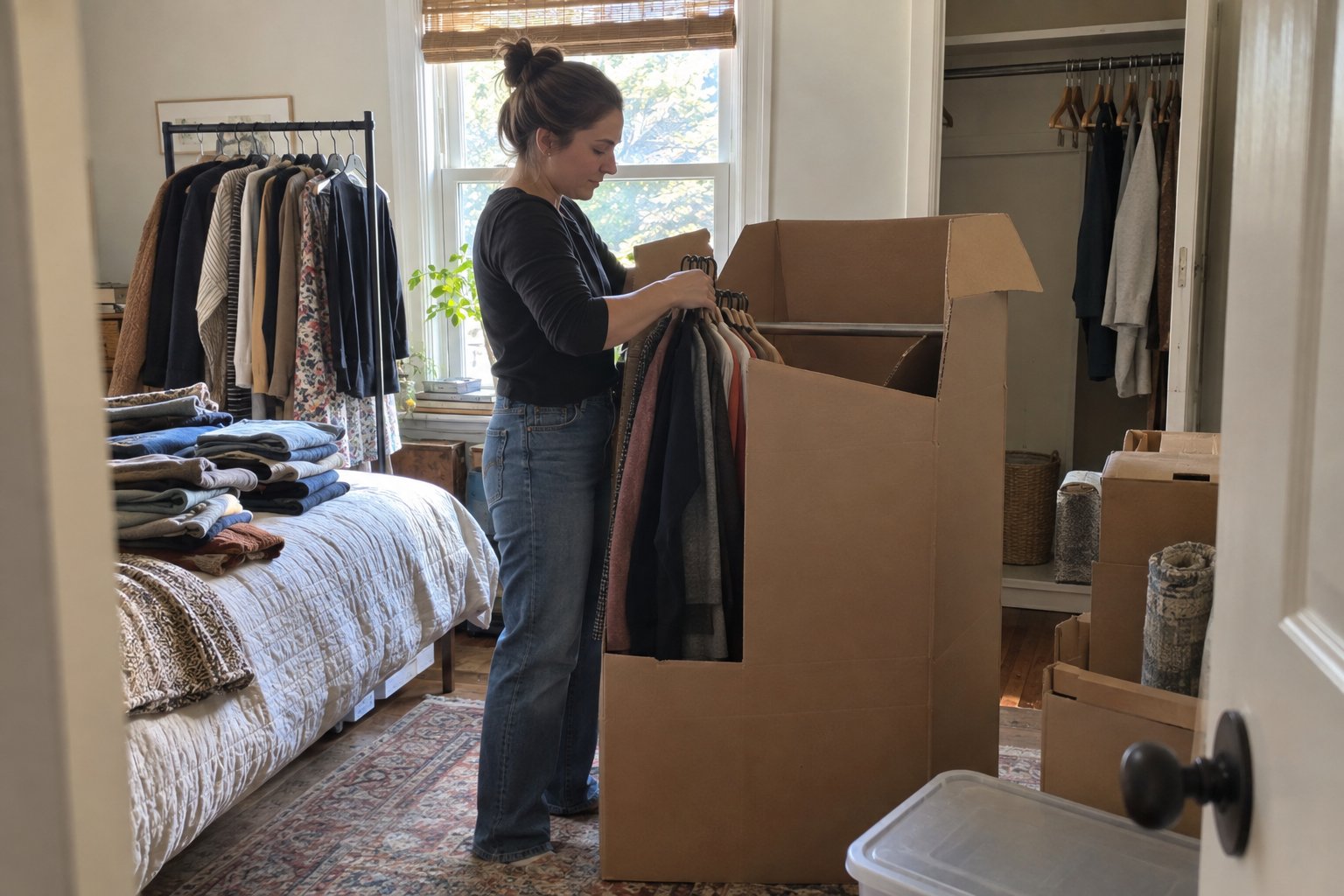
If your garage sale is part of a move, this is also the ideal time to organize what remains and prepare for packing. Many homeowners choose professional packing services to ensure their belongings are handled safely and efficiently after decluttering.
Organizing a garage sale before a move simplifies the entire relocation process. Fewer items mean fewer boxes, less packing time, and lower moving costs. It also gives you clarity about what truly belongs in your next home.
When combined with professional moving support, a garage sale can significantly reduce stress and improve overall efficiency.
Preparing for a move involves many moving parts, and decluttering through a garage sale is a smart first step. If you are planning a relocation beyond your local area, BC Brothers also offers dependable long-distance moving services designed to keep your move organized and on schedule.
For guidance or moving support, you can contact BC Brothers at info@bcbrothersmoving.com or call (912) 658-5700. Their team provides reliable service to help make your transition smoother from start to finish.
1. How far in advance should I plan when organizing a garage sale?
You should begin planning at least two to three weeks in advance. This gives you time to sort items, clean them, price fairly, and promote the sale. Early planning reduces stress and helps ensure everything is ready before sale day begins.
2. What items sell best at a garage sale?
Items that sell best include gently used clothing, kitchenware, tools, toys, small furniture, and decor. Practical everyday items attract more buyers. Avoid broken goods, as they reduce interest and take up valuable display space during the sale.
3. How should I price items for a garage sale?
Garage sale pricing should be simple and affordable. Most items sell well when priced low and clearly labeled. Buyers expect bargains, so flexibility helps. Bundle pricing and discounts later in the day can help move remaining items faster.
4. Should I organize items by category or price?
Organizing by category works best because it makes browsing easier. Group similar items together so buyers can quickly find what they want. Clear organization encourages longer browsing time and increases the likelihood of multiple purchases per customer.
5. What should I do with items that do not sell?
Unsold items can be donated, recycled, or scheduled for bulk pickup. Planning this step ahead prevents clutter from returning. Removing leftovers promptly helps you transition smoothly into packing or moving without adding extra tasks later.
BC Brothers Moving & Storage is a locally owned, licensed and insured moving company rated 4.9 stars across 800+ reviews. Residential, commercial, long-distance, packing and storage — handled by one crew.
Movers in Savannah·Residential Moving·Packing Services·Long-Distance Moving·Storage

.svg)




.svg)
.svg)