Serving Savannah, GA & Austin TX

.png)
Mon - Sunday: 8am- 8pm

.svg)

Moving furniture without proper protection can lead to scratches, dents, broken parts, and unnecessary stress. Learning how to wrap furniture for moving is one of the most important steps in protecting your investment and ensuring everything arrives at your new home in good condition. Furniture pieces are often bulky, heavy, and awkwardly shaped, which makes them vulnerable during lifting, loading, and transport. Whether you are planning a DIY move or working with trusted residential moving services, proper furniture wrapping is essential for a damage-free relocation.
This guide explains the best ways to wrap furniture safely and efficiently. Whether you are moving locally or preparing for a longer relocation, understanding the right materials and techniques will help prevent damage and make the entire process smoother. With the right approach, wrapping furniture does not need to be complicated or time consuming.
Furniture damage is one of the most common moving issues. Scratches on wood, torn upholstery, and chipped corners often happen when furniture is moved without protection. Wrapping furniture creates a barrier against impact, friction, dust, and moisture during transport.
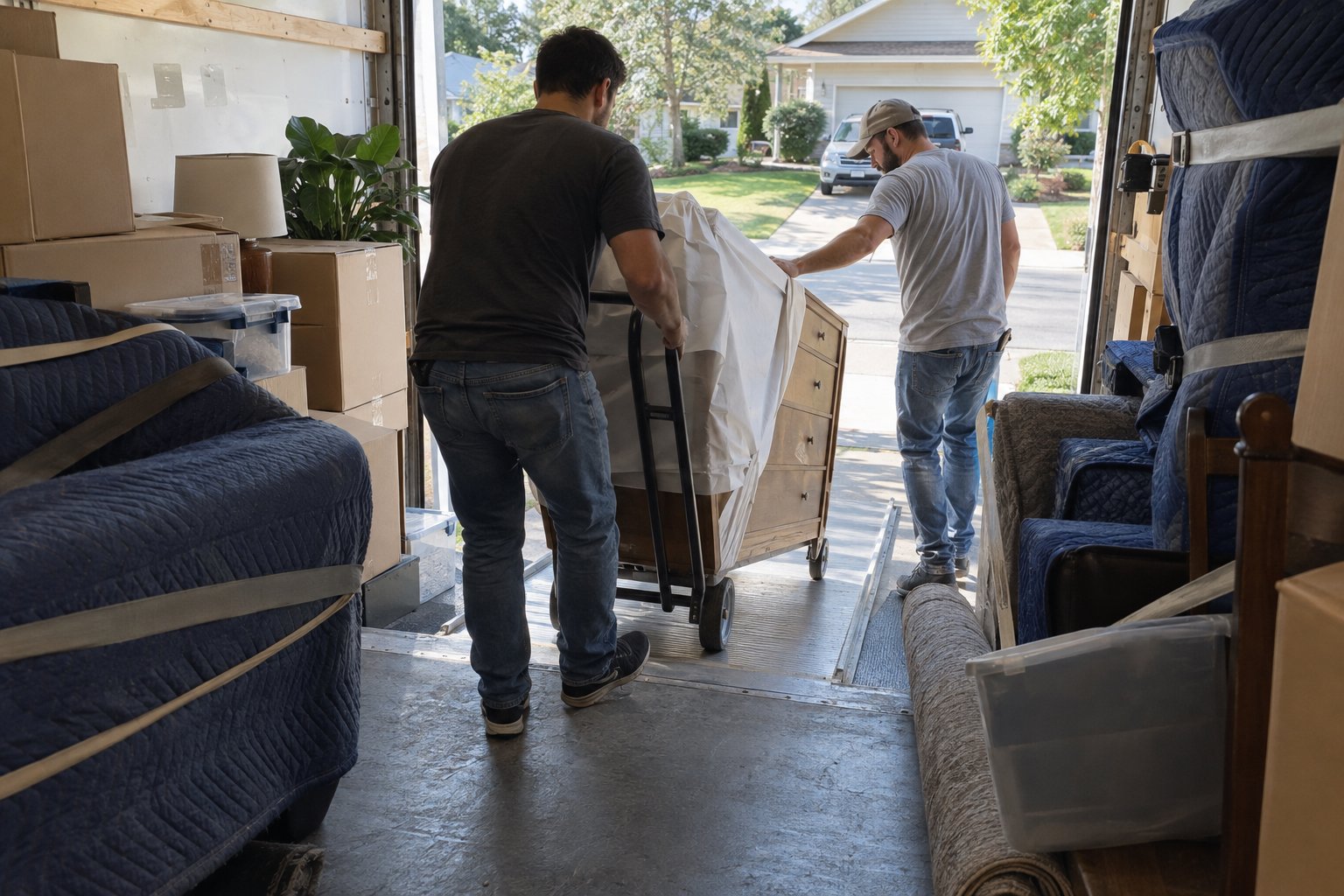
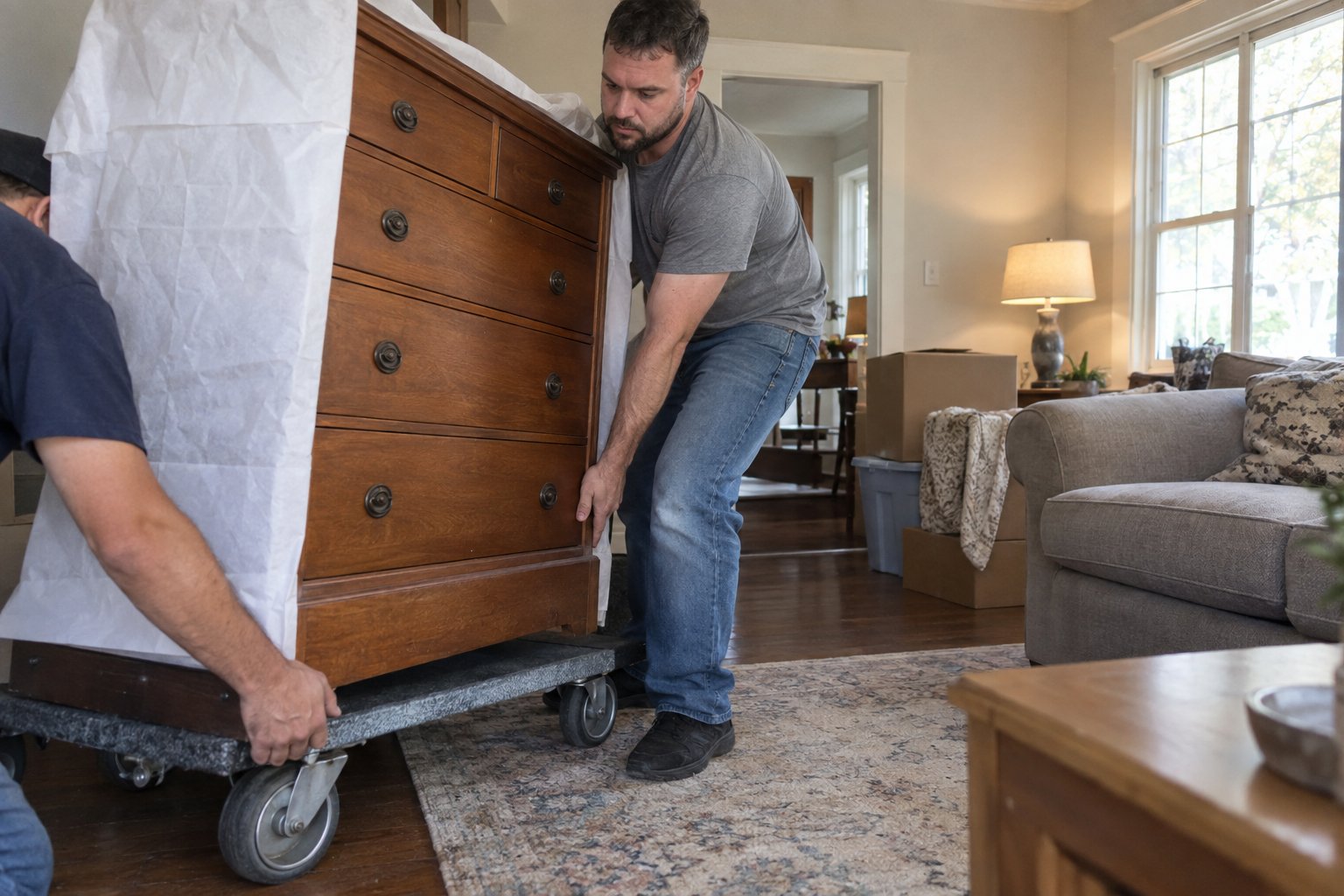
Proper wrapping also helps keep furniture stable while being carried or secured inside a moving truck. When pieces are wrapped correctly, movers can grip items more safely, reducing the risk of drops or accidents. In short, furniture wrapping protects both your belongings and the people handling them.
Before you begin, gather all necessary materials so you can work efficiently. Common furniture wrapping supplies include moving blankets, plastic stretch wrap, packing paper, bubble wrap, furniture pads, tape, and mattress covers. Each material serves a specific purpose depending on the furniture type.
Moving blankets and pads are ideal for wood furniture and large pieces. Plastic wrap holds padding in place and protects against dirt and moisture. Bubble wrap works well for fragile or detailed areas, while packing paper helps prevent surface scratches. If sourcing and using the right materials feels overwhelming, professional packing services can ensure your furniture is wrapped correctly and efficiently from the start.
Preparation is a key part of learning how to wrap furniture for moving. Start by emptying all drawers, cabinets, and shelves. Remove loose items, shelves, and accessories that could shift during transport. This prevents internal damage and reduces weight.
Clean furniture surfaces to remove dust and debris that could scratch finishes when wrapped. If furniture has detachable legs, cushions, or hardware, remove them when possible. Place small parts in labeled bags and keep them with the corresponding furniture piece.
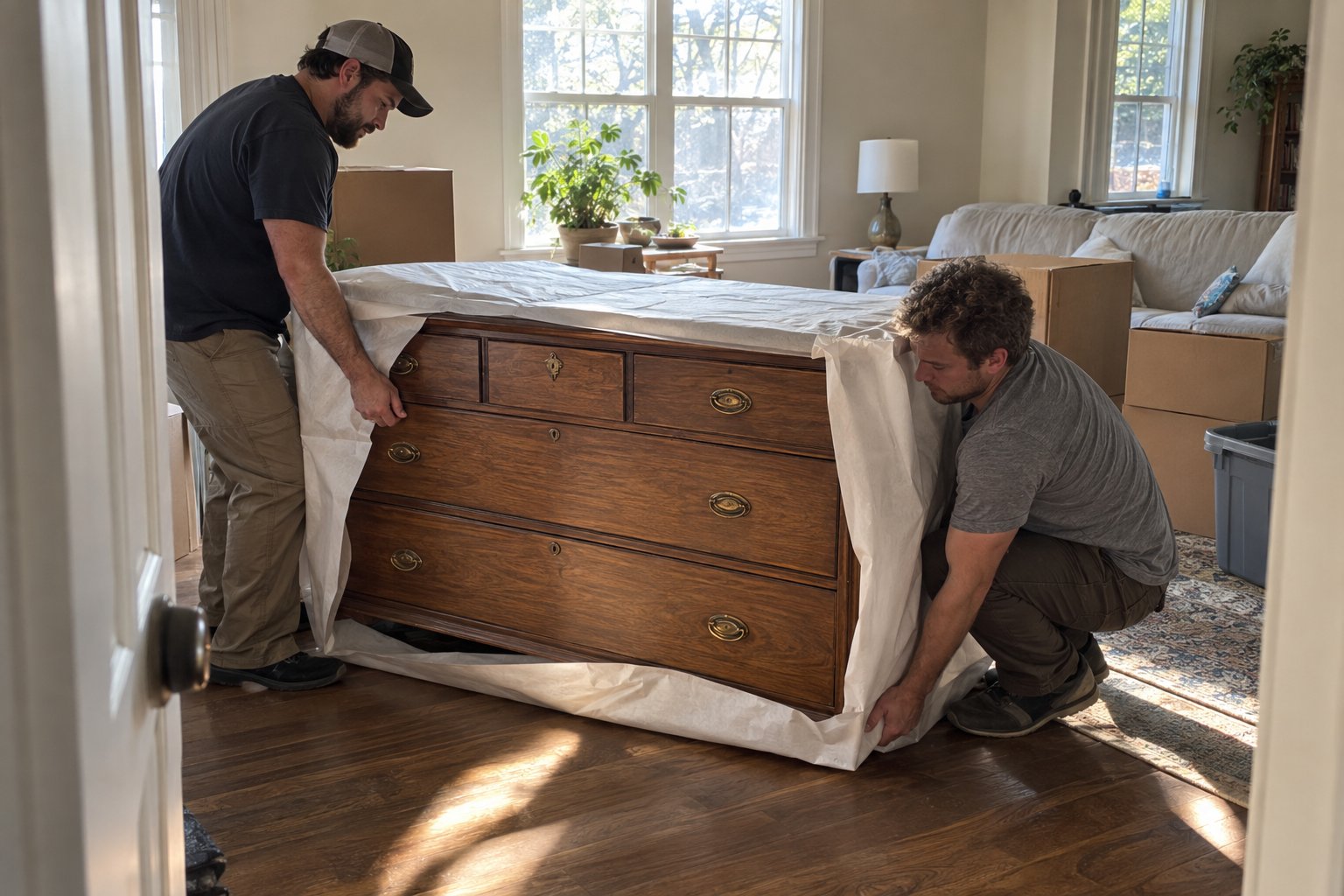
Wood furniture is particularly vulnerable to scratches and dents. Begin by covering the entire piece with a moving blanket or furniture pad. Make sure corners and edges are fully protected, as these areas are most likely to be damaged.
Once padded, secure the blanket with plastic stretch wrap. Avoid placing tape directly on wood surfaces, as adhesive can damage finishes. The wrap should be snug but not overly tight. Properly wrapped wood furniture will stay protected throughout the move.
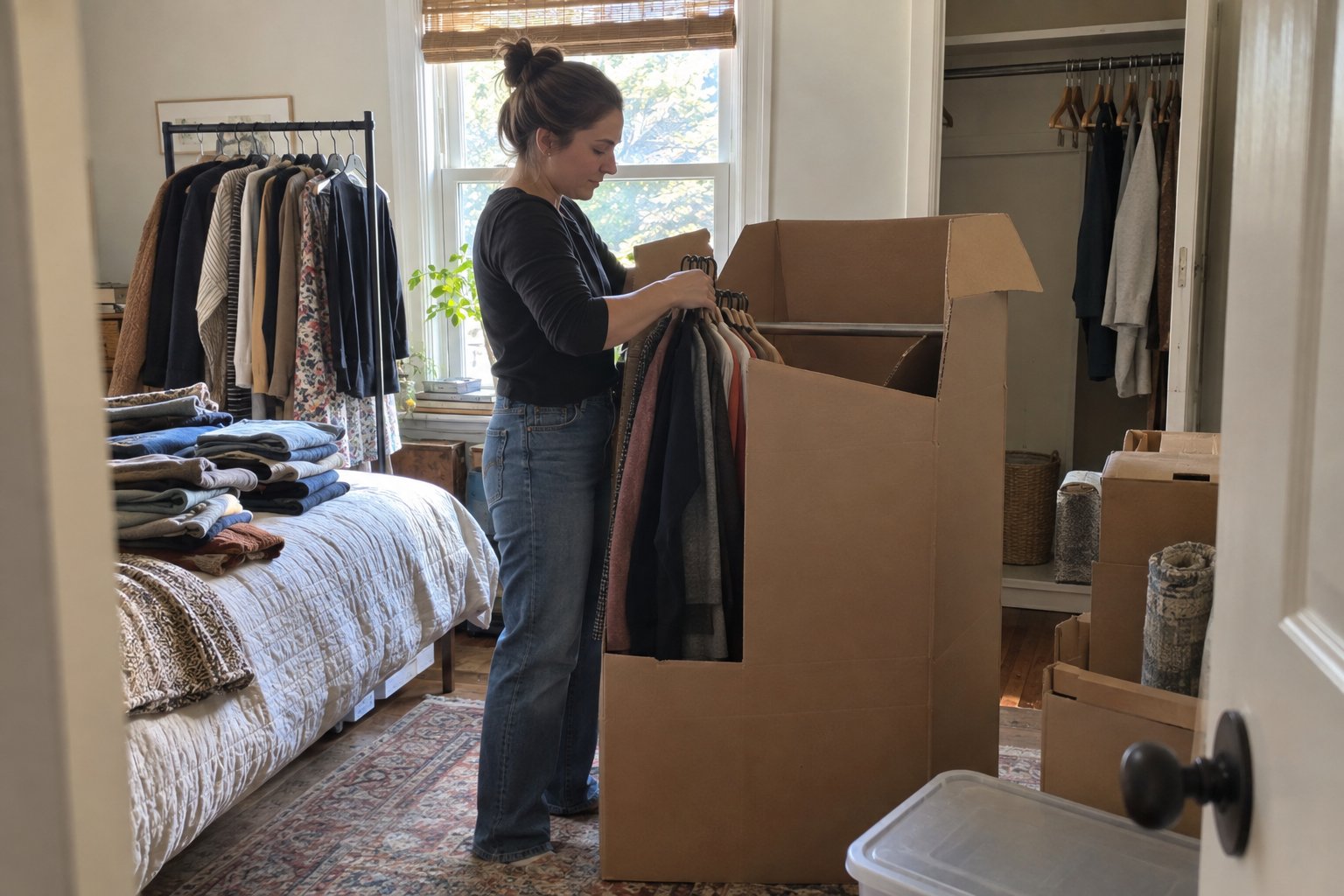
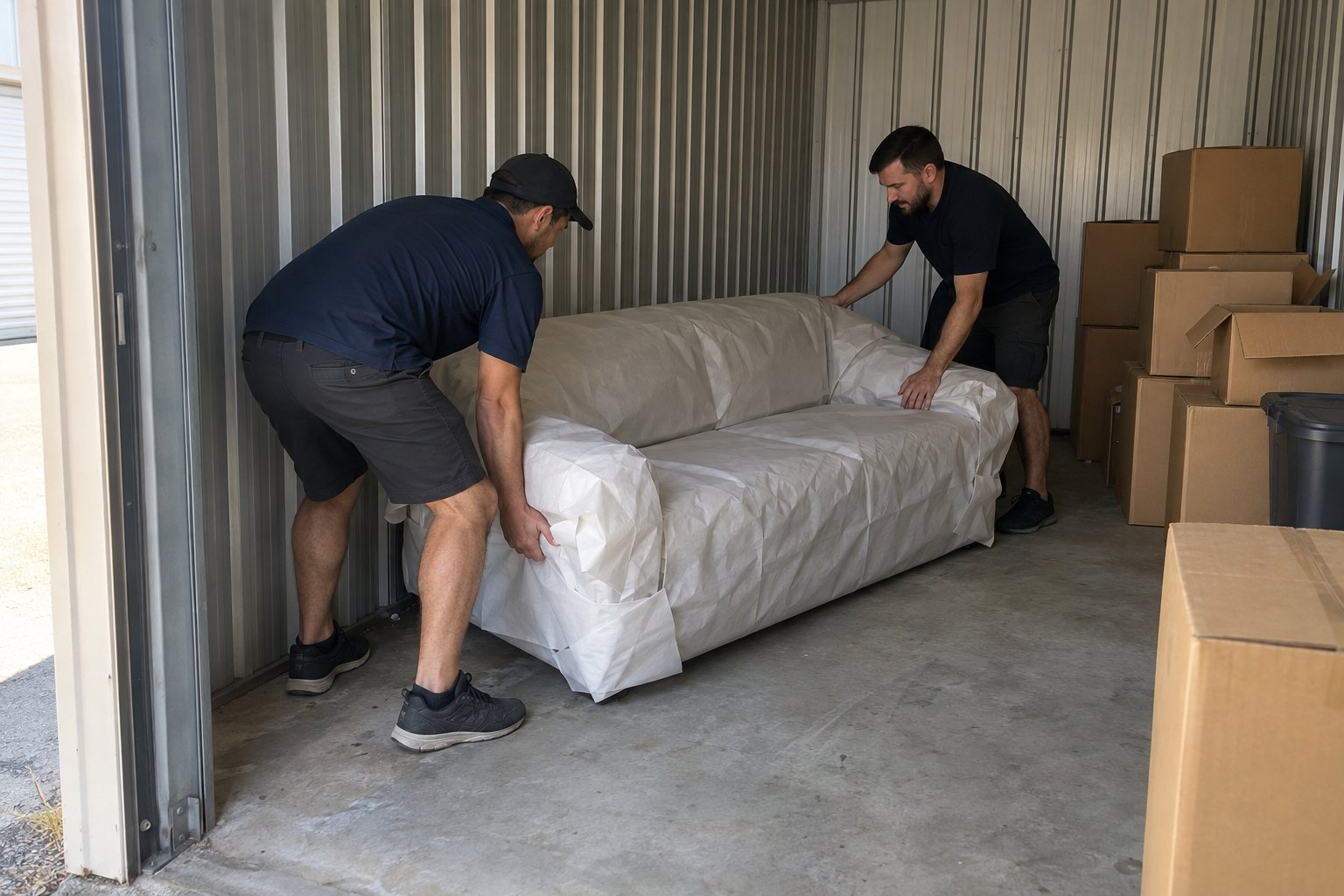
Upholstered furniture requires protection from dirt, moisture, and tears. Start by wrapping the piece in plastic stretch wrap to shield fabric from stains and dust. For added protection, use moving blankets over the plastic layer.
Pay close attention to arms and corners, which are more prone to damage. Ensure the wrapping stays secure without compressing cushions too tightly. This method keeps upholstery clean and intact during transport.
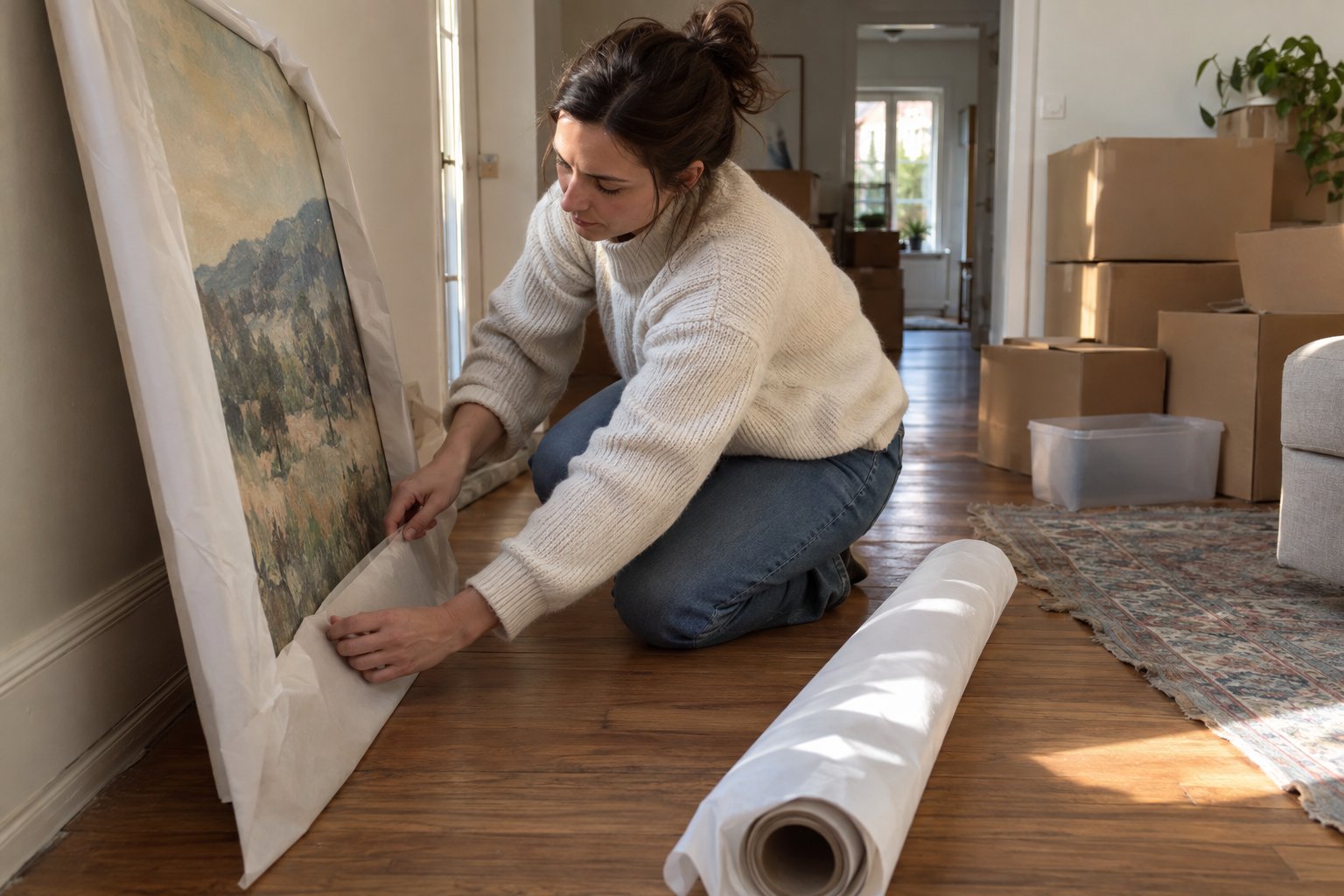
Glass furniture and fragile pieces need extra care. Remove glass components whenever possible and wrap them separately. Use bubble wrap around glass surfaces, followed by packing paper for added cushioning.
Place wrapped glass panels in cardboard sleeves or flat boxes designed for mirrors or artwork. Label these items clearly so they are handled with caution. Proper wrapping reduces the risk of cracks or breakage.
Mattresses should always be wrapped in protective covers designed for moving. These covers shield mattresses from dirt, moisture, and tears. Avoid using plastic wrap directly on mattresses, as it can trap moisture.
Box springs should also be covered fully. Secure the covers tightly so they do not shift during loading. Keeping mattresses clean and protected ensures they are ready for immediate use in your new home.
Wrapping furniture is only part of the process. Once wrapped, furniture should be secured properly inside the moving truck. Use straps or ropes to prevent shifting during transit. Place heavier items against the walls of the truck and avoid stacking unprotected furniture.
Proper placement reduces pressure on wrapped items and minimizes movement. This step works hand in hand with wrapping to prevent damage during the drive.
One common mistake is using tape directly on finished surfaces. This can leave residue or pull off finishes. Another mistake is under wrapping corners and edges, which are the most vulnerable areas.
Over wrapping can also be an issue. Excessive plastic wrap without padding can trap moisture or cause pressure marks. Balanced wrapping using the right materials is the best approach.
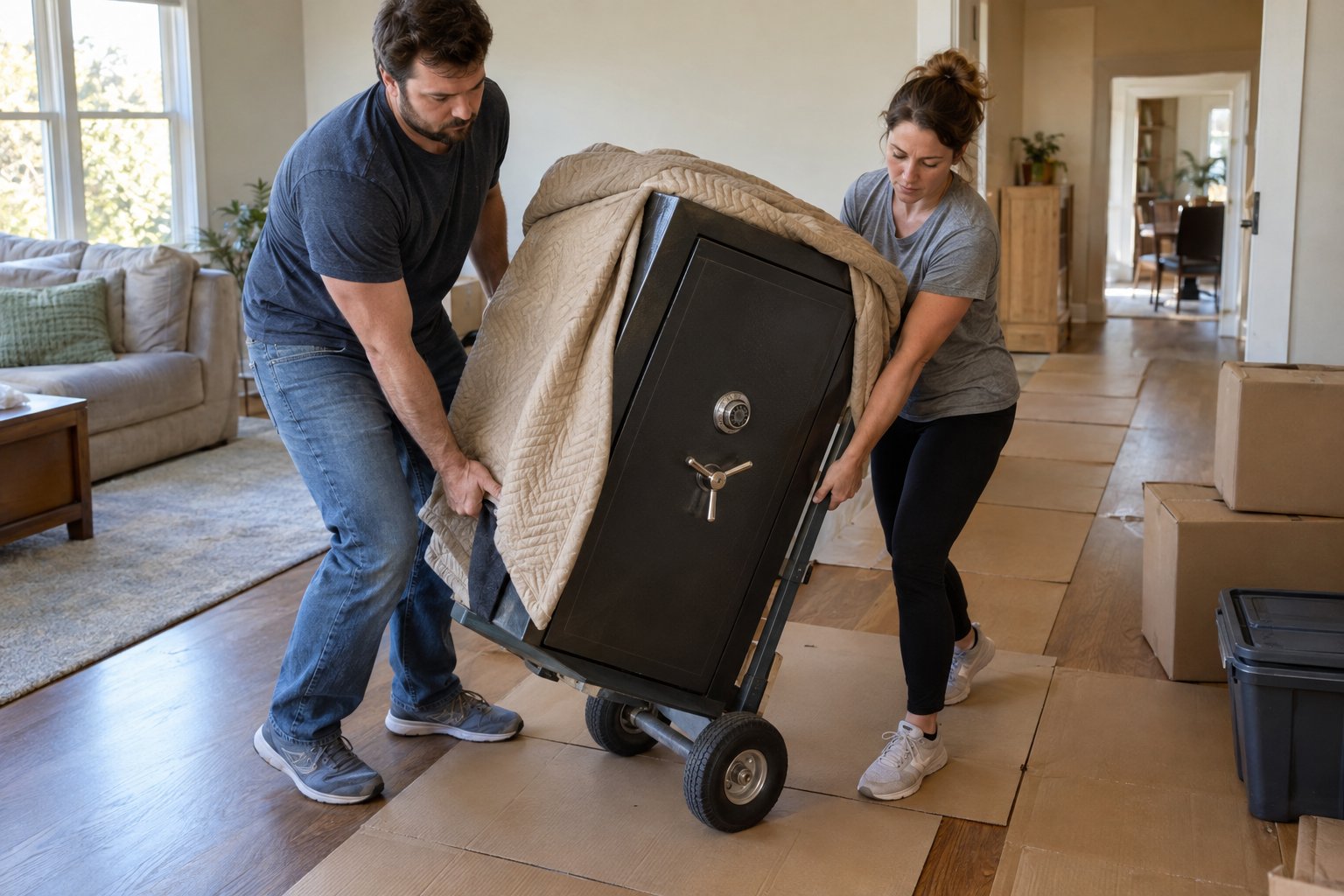
Some furniture pieces require professional handling. Large sectionals, antiques, pianos, and custom furniture often benefit from expert wrapping techniques. Professional movers have the experience and materials to protect complex or valuable items efficiently.
If you want peace of mind or are preparing for a relocation that covers significant distance, working with trusted long-distance moving services ensures your furniture stays protected from start to finish.
Wrapping furniture properly takes time and attention to detail. If you prefer experienced assistance, BC Brothers provides reliable moving support focused on protecting your belongings. Their team understands how to wrap furniture for moving safely and efficiently.
For questions or help with your upcoming move, you can contact BC Brothers at info@bcbrothersmoving.com or call (912) 658-5700. Their team is available to provide guidance and dependable service tailored to your moving needs.
1. What is the best material to use when wrapping furniture for moving?
The best materials depend on the furniture type, but moving blankets and plastic stretch wrap are essential. Blankets protect against impact and scratches, while wrap secures padding and blocks dirt. Bubble wrap works well for fragile parts needing extra cushioning.
2. Should furniture be wrapped before or after loading into the truck?
Furniture should always be wrapped before loading into the truck. Wrapping beforehand protects items during carrying, doorway navigation, and loading. It also allows movers to stack and secure furniture safely without surfaces rubbing or colliding inside the truck.
3. Can I use household items instead of professional moving supplies?
Yes, towels, blankets, and linens can help protect furniture surfaces. However, they should be secured with stretch wrap to prevent slipping. Household items work best as padding layers but may not fully replace professional supplies for larger moves.
4. Is it necessary to disassemble furniture before wrapping it?
Disassembling furniture is recommended when possible. Removing legs, shelves, or cushions reduces stress on joints and makes wrapping easier. Smaller components can be wrapped separately, improving protection and making loading and unloading safer.
5. Does professional furniture wrapping really prevent damage?
Professional furniture wrapping significantly reduces the risk of damage. Experienced movers use proper materials and proven techniques to protect all surfaces. This extra care helps prevent scratches, dents, and breakage during lifting, transport, and unloading.
BC Brothers Moving & Storage is a locally owned, licensed and insured moving company rated 4.9 stars across 800+ reviews. Residential, commercial, long-distance, packing and storage — handled by one crew.
Movers in Savannah·Residential Moving·Packing Services·Long-Distance Moving·Storage

.svg)


.svg)
.svg)