Serving Savannah, GA & Austin TX

.png)
Mon - Sunday: 8am- 8pm

.svg)

Moving a washer and dryer may seem straightforward, but these appliances are among the most challenging items to relocate during a move. They are heavy, bulky, connected to water and power lines, and easy to damage if handled incorrectly. Knowing how to move a washer and dryer properly helps protect your home, prevent injuries, and avoid costly repairs. For homeowners planning a full relocation, working with professional residential moving services can make handling heavy appliances far safer and more efficient.
Many homeowners underestimate the preparation required to move laundry appliances. From disconnecting water lines to securing moving parts, every step matters. This guide explains how to move a washer and dryer safely, what tools you need, common mistakes to avoid, and when it makes sense to hire professional movers like BC Brothers.
Washers and dryers are designed to stay in one place. Washing machines contain internal drums and hoses that can shift or leak if not secured. Dryers are lighter but still awkward to carry and easy to tip.
Both appliances can damage floors, walls, and door frames during a move. Improper handling can also cause water leaks, electrical issues, or mechanical damage that may not be immediately visible. Proper planning and technique reduce these risks significantly.
Before moving a washer and dryer, gather the right equipment. This typically includes an appliance dolly with straps, adjustable wrenches, pliers, moving blankets, packing tape, and work gloves with grip.
A drip pan or towels are helpful for catching leftover water. Many homeowners also choose professional packing services to ensure appliances are padded, wrapped, and protected properly during transport, especially when other household items are being moved at the same time.
Safety comes first. Unplug both the washer and dryer from their electrical outlets. For electric dryers, simply unplug the cord. For gas dryers, turn off the gas supply valve before disconnecting the line.
Next, turn off the water supply to the washing machine. There are usually two valves behind the washer for hot and cold water. Turning these off prevents leaks during hose removal.
Carefully disconnect the water hoses from the back of the washer using a wrench if needed. Keep towels nearby as some water may spill out. Drain hoses completely to prevent dripping during transport.
Remove the drain hose from the wall or standpipe and secure it to the washer using tape or zip ties. This prevents it from swinging and causing damage during the move.
Many washing machines require transit bolts to secure the internal drum. These bolts are often included when the washer is purchased. If you still have them, reinstall them according to the manufacturer instructions.
If transit bolts are not available, wrap the washer tightly with moving blankets and secure it with tape or straps. This helps limit internal movement and reduces the risk of damage.
For electric dryers, unplug the power cord and secure it to the back of the unit. For gas dryers, disconnect the gas line carefully and cap it properly to prevent leaks.
Remove and pack the lint trap separately. Secure the dryer door with tape or stretch wrap to keep it closed during transport.
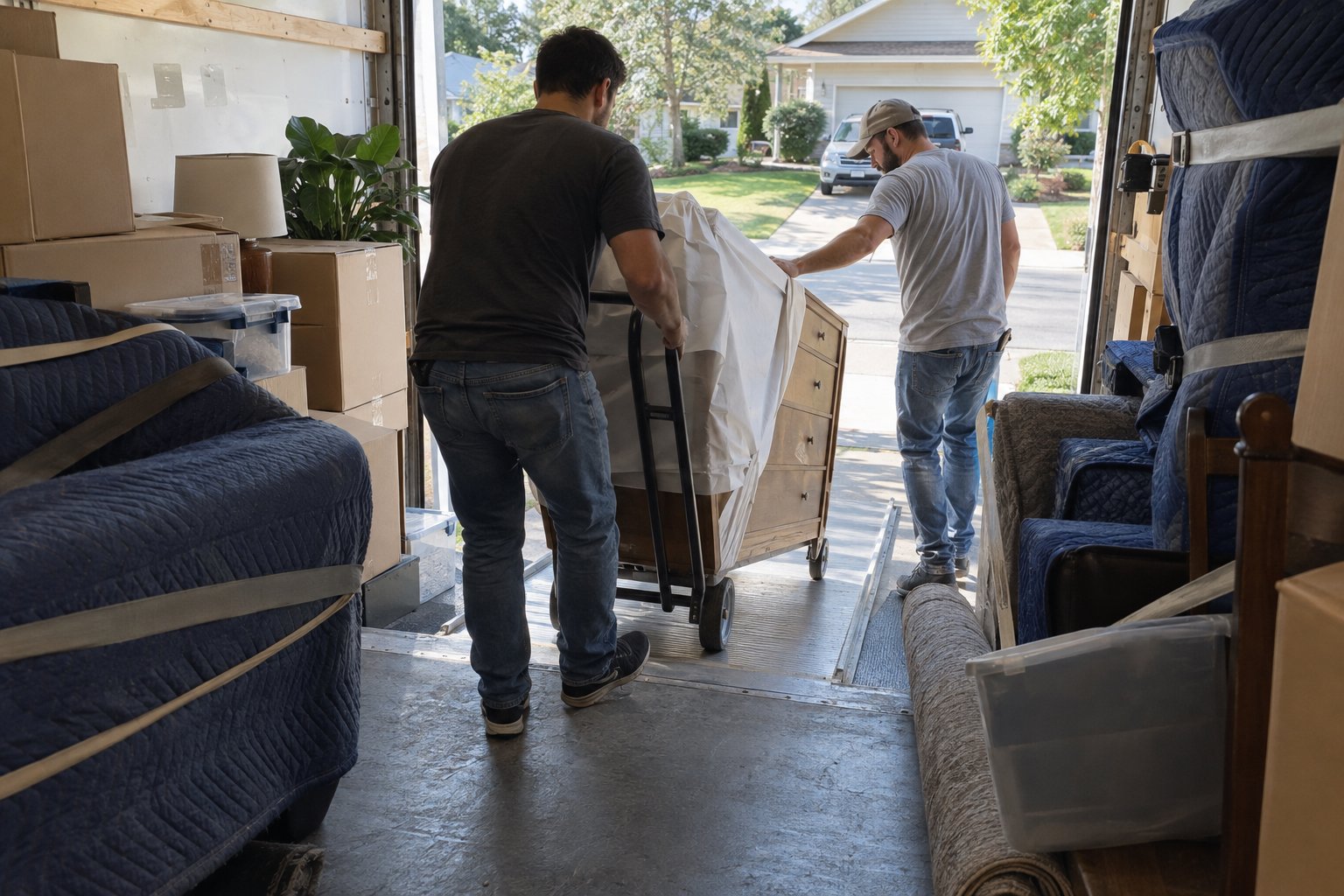
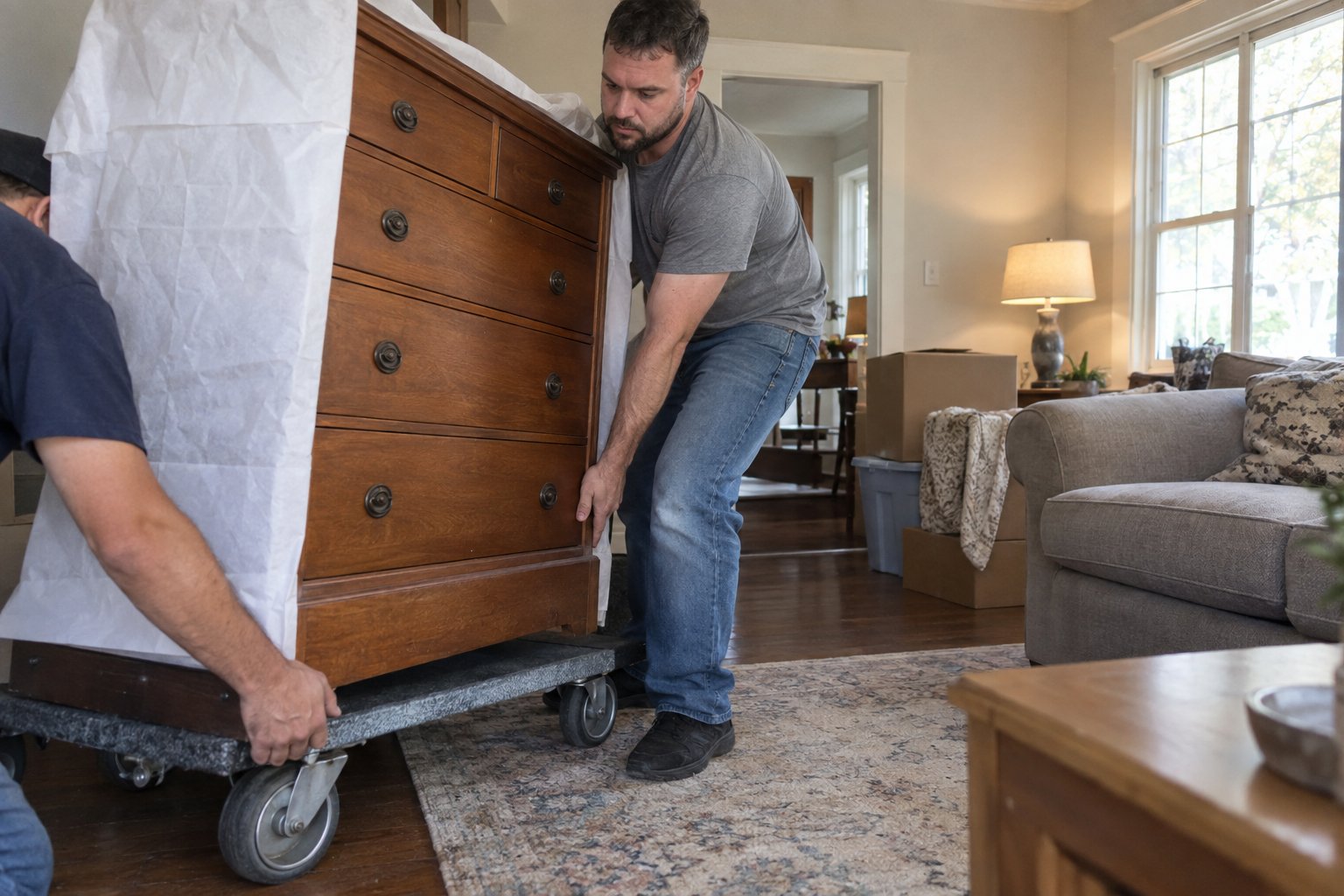
Use an appliance dolly to move both the washer and dryer. Tilt the appliance slightly and slide the dolly underneath, then secure it with straps.
Move slowly and keep the appliance upright at all times. Avoid laying washers on their sides unless absolutely necessary and recommended by the manufacturer. Clear pathways in advance to prevent sudden stops or tight turns.
When loading the washer and dryer into a truck, use a ramp whenever possible. Never attempt to lift these appliances directly into a vehicle.
Position them against the truck wall and secure them with heavy duty straps. Use padding between appliances and other items to prevent shifting during transport.
One common mistake is skipping drum stabilization. This can lead to internal damage that affects washer performance. Another is failing to drain hoses fully, which can cause leaks and water damage.
Trying to move appliances without proper equipment is also risky. Appliance dollies and straps are essential for safety. Finally, reconnecting appliances incorrectly at the new location can result in leaks or electrical hazards.
Once at your new home, position the washer and dryer in place before reconnecting anything. Reattach water hoses securely and turn on the water slowly to check for leaks.
Reconnect power or gas lines carefully. Allow the washer to sit upright for several hours before use to let internal components settle. Run a test cycle to ensure everything works properly.
Moving a washer and dryer can be physically demanding and risky without experience. Stairs, tight hallways, and long carries increase the chance of injury or damage.
Professional movers have the tools and training to move appliances safely. BC Brothers handles heavy items carefully and efficiently, helping homeowners avoid unnecessary stress and potential repair costs.
Learning how to move a washer and dryer properly saves time, protects your appliances, and keeps your move on track. With careful preparation and the right equipment, these appliances can be moved safely.
If you are relocating to another city or state, working with trusted long-distance moving services ensures your appliances arrive securely and are handled with professional care from start to finish.
If you need assistance moving heavy appliances, BC Brothers is ready to help. You can reach the team at (912) 658 5700 or email info@bcbrothersmoving.com to discuss your moving needs and schedule reliable service.
Can I move a washer and dryer without professional movers
You can move a washer and dryer yourself if you have proper equipment and help, but the risk of injury or damage is high. These appliances are heavy and awkward, and mistakes can lead to leaks, broken parts, or damage to floors and walls.
Do I need to drain the washer completely before moving
Yes the washer must be fully drained before moving. Any remaining water in hoses or the drum can leak during transport and cause damage. Draining hoses and securing them properly helps prevent spills and protects surrounding items.
Should a washer be moved upright or on its side
A washer should always be moved upright whenever possible. Laying it on its side can damage internal components and suspension systems. Keeping it upright reduces the risk of mechanical issues once it is reinstalled and used again.
How long should I wait before using the washer after moving
It is best to wait at least four to six hours before using a washer after moving. This allows internal components to settle properly. Running a test cycle without laundry helps confirm everything is connected correctly and working as expected.
Is it safe to move a gas dryer on my own
Moving a gas dryer requires extra caution. The gas line must be shut off and capped properly to prevent leaks. If you are not experienced, hiring professionals is safer to avoid gas hazards and ensure proper disconnection and reconnection.
BC Brothers Moving & Storage is a locally owned, licensed and insured moving company rated 4.9 stars across 800+ reviews. Residential, commercial, long-distance, packing and storage — handled by one crew.
Movers in Savannah·Residential Moving·Packing Services·Long-Distance Moving·Storage

.svg)



.svg)
.svg)