Serving Savannah, GA & Austin TX

.png)
Mon - Sunday: 8am- 8pm

.svg)
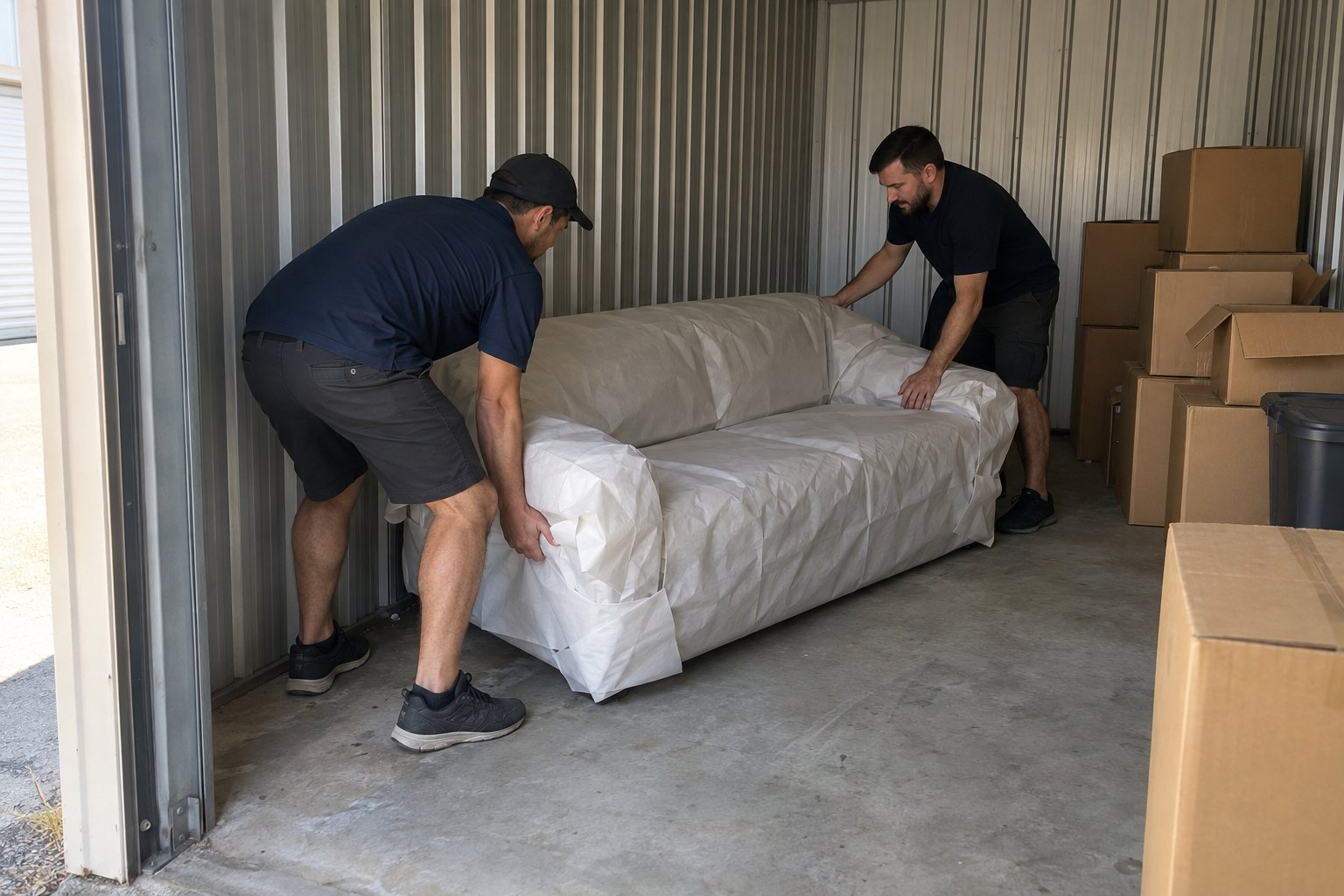
Storage unit move timing comes down to one question: when do your old home, your new home, and your moving truck actually line up, and what do you do with your belongings in the gaps? Most Savannah moves are not a clean same-day swap. There is almost always a stretch, sometimes hours, sometimes weeks, where you need somewhere for your things to sit that is not the truck and is not either house. Getting that timing right saves you a scramble on move day and keeps your budget from creeping up on unplanned extra days of rental trucks or storage fees.
This is different from deciding how big a unit to rent or how long to keep one after you move in. Those are sizing and duration questions. This is a scheduling question: at what point in your move should storage enter the picture, and how do you sequence it so nothing sits in limbo longer than it has to?
Use storage any time your move-out date and move-in date do not match, or when your new place will not be ready to receive furniture right away. The two most common triggers are a closing delay on a home purchase and a lease that starts after your current one ends. In both cases, storage becomes the bridge between the two dates instead of a moving truck sitting parked and loaded for days.
A less obvious trigger is a renovation or repair window. If you are having floors refinished or painting done before you move furniture in, storage lets your movers unload everything in one trip instead of staging it awkwardly in a garage or one spare room. The same logic applies to downsizing moves, where some items are headed to a smaller home and others need to sit in storage while you decide what to keep.
Watch for these signals a few weeks out: a closing date that has already moved once, a new landlord who will not confirm a move-in date in writing, or a long distance move where your delivery window spans several days. Any of these should push you to book a storage unit before moving day, not scramble for one the week of.
The cleanest approach is a single moving crew that loads the truck once, drives to the storage facility, and unloads directly into the unit, rather than staging items at a third location first. This avoids double handling, which is where most damage and lost items happen. If part of your load is going straight to the new home and part is going to storage, tell your moving company that split in advance so they can plan truck space and unloading order accordingly.
Booking your moving crew and your storage unit as one coordinated plan, rather than two separate errands, is where a lot of the stress disappears. Our climate-controlled storage option is set up to work alongside a same-day load, so your crew is not waiting on a separate reservation or a facility with different access hours.
A typical split-day sequence looks like this: pack and load everything in the morning, deliver and unload the portion going to the new home first if it is ready, then take the remainder to storage. If the new home is not ready at all, everything goes to storage first and gets moved again later, which is why confirming your move-in date matters so much before you lock in a plan.
When a closing date or lease start keeps slipping, the safest move is to book storage on a month-to-month basis rather than trying to guess the exact number of days you will need it. Facilities that require long minimum terms punish you for a delay that was never your fault. Ask specifically about short-term or month-to-month options before you sign anything.
It also helps to build a buffer into your original moving quote. If you already suspect your dates might shift, mention it when you book your residential moving services so your mover can flag flexible scheduling instead of locking you into a single fixed date that becomes a headache to change later.
Most move-related storage gaps last anywhere from a few days to about six to eight weeks. Anything longer usually means the original plan changed significantly, at which point it is worth treating it as ongoing storage rather than a moving bridge, and reassessing whether a smaller or larger unit fits better for the long haul.
Short gaps, under two weeks, rarely justify climate-controlled storage unless you are storing electronics, wood furniture, or artwork. Longer gaps, especially through a Savannah summer, are worth the climate control regardless of what you are storing, since heat and humidity work fast on upholstery and particleboard.
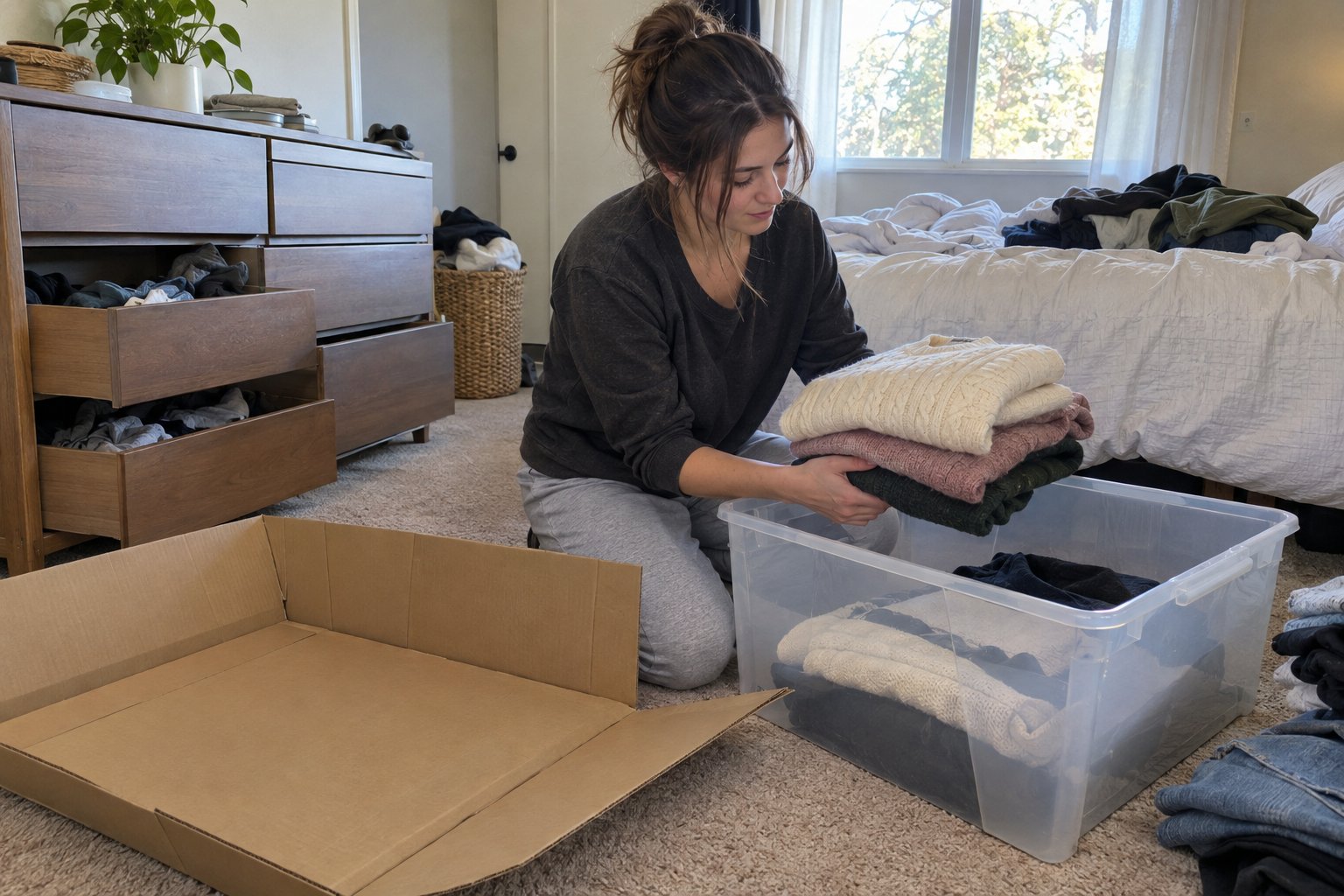
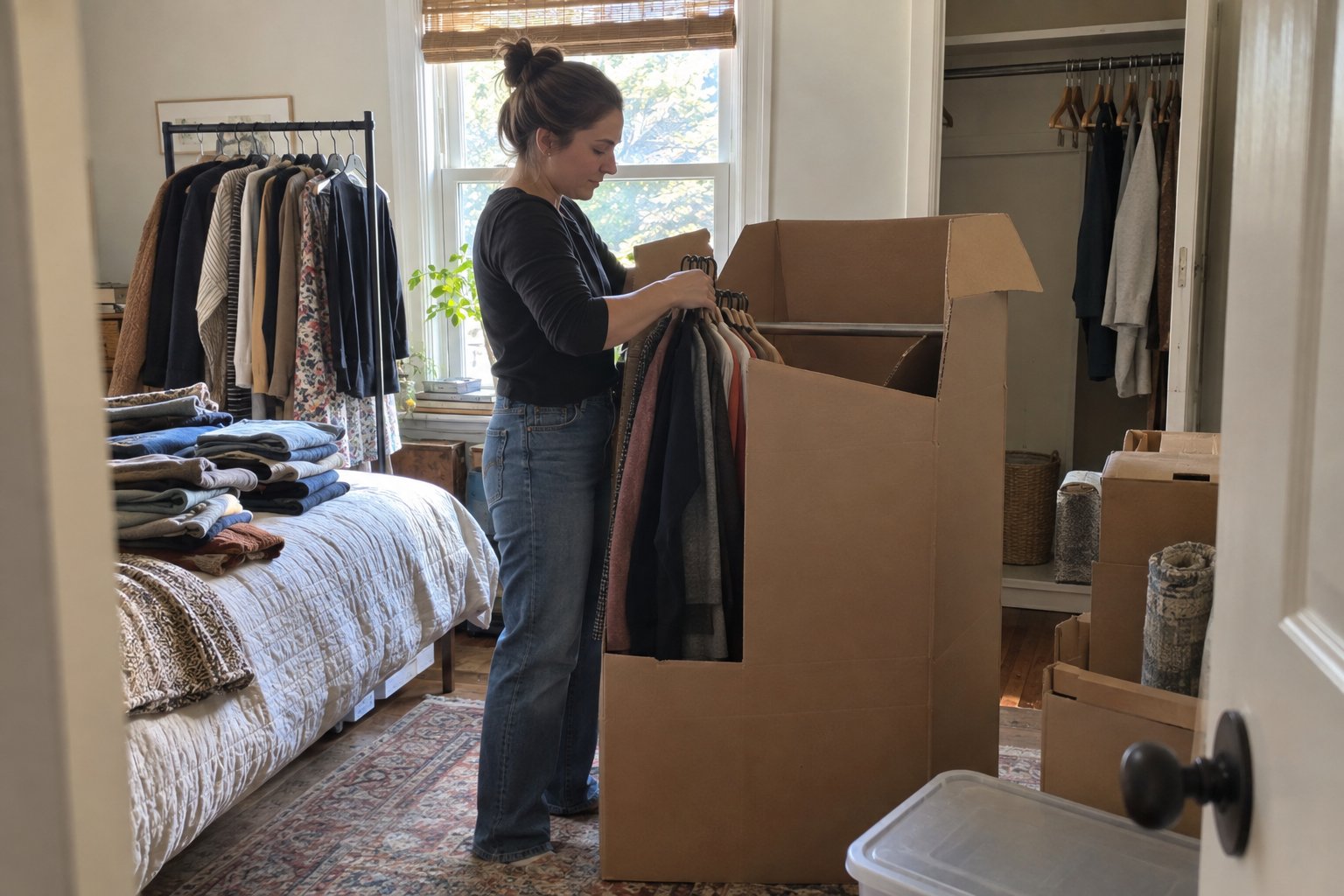
Yes. Items headed into storage for a defined, short window should be packed and loaded with retrieval in mind, not just protection. Label boxes by which home they belong to, not just by room, and keep a short list of anything you might need before the unit is unloaded again, like tools, chargers, or a coffee maker.
Load the truck in reverse order of what you will need first: the last things loaded should be the first things you want accessible if you have to grab something mid-gap. This small step avoids the common mistake of burying essentials behind furniture for a month.
The earlier you confirm both your move-out and move-in dates, even loosely, the easier it is to build a storage plan that does not cost you extra days or a rushed reservation. If your dates are still uncertain, start the storage conversation now rather than the week before your truck is booked.
If you are working through a move where the dates do not quite line up yet, our team can walk through scheduling options and build a plan around your specific gap. Get a moving quote and we will help you figure out the timing before it becomes a problem.
BC Brothers Moving & Storage is a locally owned, licensed and insured moving company rated 4.9 stars across 800+ reviews. Residential, commercial, long-distance, packing and storage — handled by one crew.
Movers in Savannah·Residential Moving·Packing Services·Long-Distance Moving·Storage

.svg)







.svg)
.svg)