Serving Savannah, GA & Austin TX

.png)
Mon - Sunday: 8am- 8pm

.svg)

Starting a relocation journey often begins with a container delivered right to your driveway. Understanding how to pack a moving pod is essential for ensuring that your household goods remain safe and stationary during the entire trip. This guide will help you master every detail of the process for a smoother transition. If you are planning a full home relocation, working with professional residential moving services can also make the process significantly easier and more efficient.
If you do not take the time to learn the proper techniques for loading, you risk damaging your most valuable possessions. Moving companies often see the results of poor packing when containers are opened at the final destination. A little bit of knowledge goes a long way in preventing those costly accidents.
The goal is to create a solid mass that moves as one single unit rather than a collection of loose items. When everything is tight and secure, the vibrations of the road will have a minimal impact on your goods. Let us dive into the specifics of making your move a success.
Before the container even arrives at your home, you must create a comprehensive plan for the layout. Dividing your items into categories based on weight and fragility is the first step in successful loading. A well organized approach prevents the chaotic scrambling that often occurs on moving day for many families.
When you consider that a typical small container might hold up to 390 cubic feet of belongings, you realize the importance of every square inch. Planning for a volume of 390 units of space requires a mental map of where each large piece of furniture will sit. Efficiency is the primary goal here.
You should measure your largest items to ensure they will fit through the door of the container. Some armoires or sofas may require special positioning to clear the opening without scratching the frame. Knowing these dimensions ahead of time allows you to adjust your loading strategy before the physical work begins.
Take the time to disassemble any furniture that can be broken down into smaller pieces. Removing table legs and taking apart bed frames makes them much easier to stack and protect. Storing the hardware in labeled plastic bags ensures that reassembly at your new home is a fast and simple process.
Having the correct tools on hand is the only way to ensure your belongings are protected from start to finish. You should never attempt to load a container without professional grade supplies to assist you. High quality materials are the best defense against the unexpected bumps and turns during the transport process.
Using uniform boxes is a secret trick that professional movers use to create a perfectly level surface. When your boxes are the same size, they fit together like bricks in a wall. This prevents the uneven pressure that often leads to crushed containers or collapsed stacks during a long distance trip.
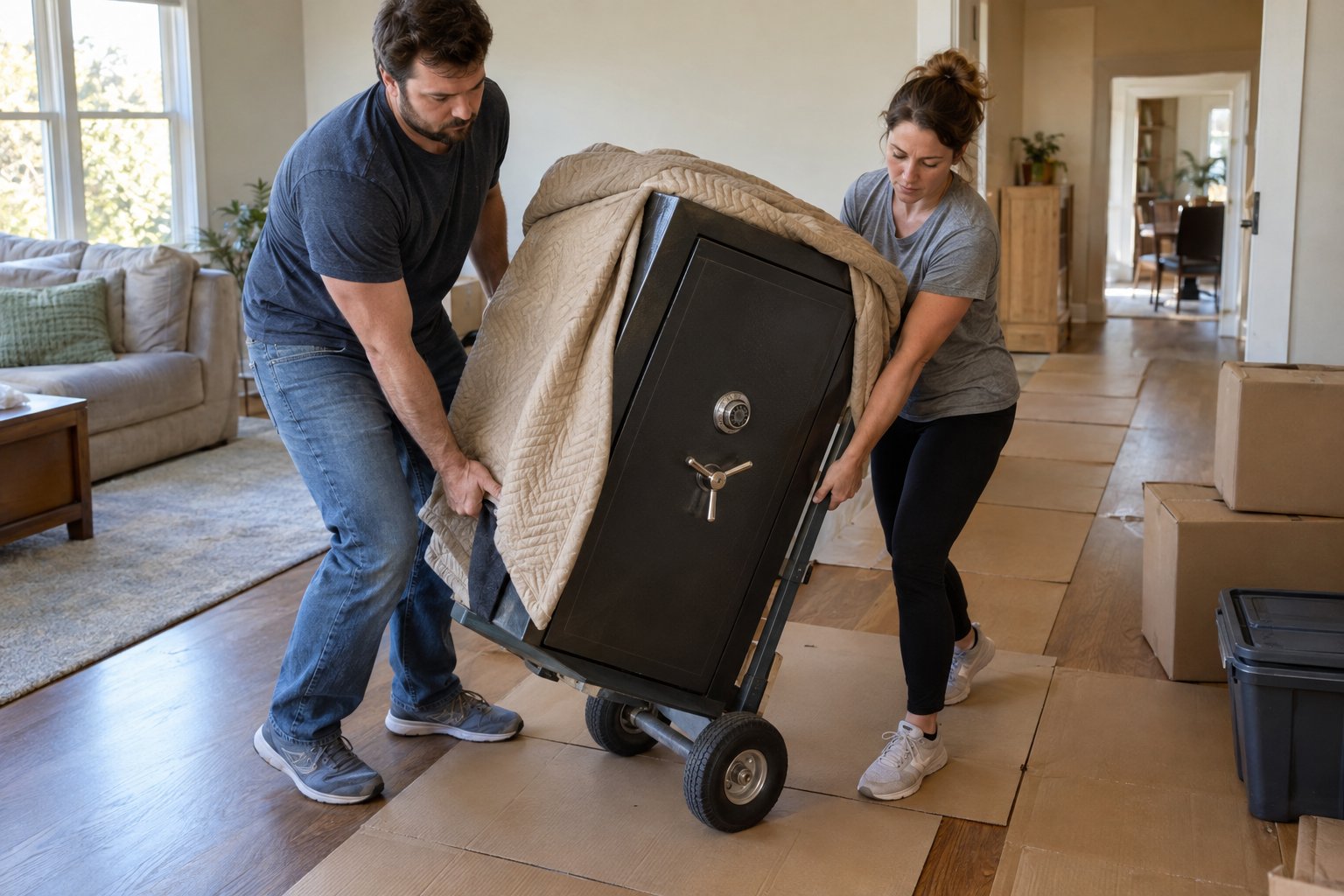
You should also invest in a sturdy furniture dolly to help move heavy items from your house to the container. This piece of equipment saves your back from unnecessary strain and speeds up the entire loading process. Efficiency and safety go hand in hand when you have the right tools for the job.
One of the most important aspects of how to pack a moving pod is maintaining a balanced center of gravity. You must distribute the weight of your heavy appliances and furniture evenly across the floor of the unit. A poorly balanced container can tilt or sway dangerously when it is lifted by the truck.
Place your heaviest items like washing machines, refrigerators, and heavy dressers against the front and side walls. This keeps the heaviest parts of the load from shifting toward the door during sudden stops. A stable base is the foundation for every other item you will place inside the storage unit.
Avoid clustering all of your heavy items in one single corner of the container. This creates an uneven load that can be difficult for the transport vehicle to manage on the highway. Think of the floor as a grid and aim to keep the weight as centered as possible for safety.
Once your heavy furniture is in place, you can begin building vertical walls of boxes to fill the remaining space. You should stack these containers from the floor all the way up to the ceiling. This vertical stacking method maximizes your available space and prevents the cargo from shifting.
Each wall of boxes should be tight against the furniture or the previous row of containers. If you leave any gaps between the stacks, the items will move when the truck turns or brakes. A compact load is the most important factor in preventing damage to your household goods.
Use the heaviest and sturdiest boxes as the foundation for each new tier that you build. Lighter boxes and fragile items should always be placed on the top of the stack. This prevents the weight of the load from crushing the boxes at the very bottom of the storage unit.
As you reach the top of each wall, fill the remaining small gaps with soft items. Pillows, bags of clothing, and rolled up rugs are perfect for plugging these holes. This technique locks the entire tier into place and prevents the boxes from bouncing during the drive.
There is a direct link between the quality of your padding and the survival of your furniture. When you use moving blankets to wrap every wooden surface, you eliminate the risk of friction damage. These small barriers are the primary link to keeping your items in pristine and original condition.
You should also use cardboard spacers between items that might rub together during the trip. This extra layer of protection absorbs the vibrations of the road before they reach your belongings. A proactive approach to padding is much better than dealing with scratches and dents later.
When you create a strong link between each item using security straps, you increase the overall stability of the load. These connections turn a collection of individual boxes into a single solid mass. This is the ultimate goal of anyone who wants to learn how to pack a moving pod.
Many people make the mistake of leaving the top half of the container empty while the floor is crowded. To get the most out of your 390 cubic feet, you must use every bit of vertical height. Stacking to the ceiling ensures that you do not run out of room for your belongings.
If you have items that are long and thin, such as mattresses or mirrors, store them upright along the sides. This positioning saves valuable floor space for your heavy furniture and square boxes. It also provides a soft buffer that can help protect the rest of your cargo from the walls.
Mattresses should always be placed in protective bags to keep them clean and free of dust during the move. Standing them up on their long edges is the most efficient way to store them inside a container. This creates a vertical wall that helps stabilize the rest of your boxes.
You can also place light items on top of large furniture pieces like dressers or entertainment centers. Just make sure to use a moving blanket as a barrier to prevent the boxes from scratching the wood. Every square inch of the interior should be utilized to achieve a professional result.
Most containers have built in anchor points along the interior walls that are designed for tie down straps. You should use these points to secure each section of your load as you finish building it. This prevents a domino effect where one falling stack knocks over the entire container.
Nylon ratcheting straps are much more effective than simple rope because they can be tightened to a high tension. This tension keeps your furniture and boxes exactly where you placed them on the first day. Security is a continuous process that you must manage throughout the entire loading session.
Pay special attention to the very last section of the load that sits closest to the container door. If this section is not secure, the items could fall forward and lean against the door during the trip. This makes it very difficult and potentially dangerous to open the container at your destination.
Creating a final security wall using straps and a large piece of plywood is a great professional technique. This barrier keeps the entire load in place and provides an extra level of protection for your goods. Taking these final steps ensures that your moving experience is a successful one.
Your large appliances require special care to ensure they are not damaged during the physical loading process. Always use a dolly to move these heavy items and never try to slide them across the metal floor. This prevents damage to the feet of the appliance and the interior of the pod.
Wrap your appliances in heavy duty plastic wrap to keep the doors and drawers from swinging open. This also prevents the metal surfaces from scratching against other items in the container. A well wrapped appliance is much easier to handle and stays clean during the entire relocation journey.
Sofas and upholstered chairs should be covered with plastic furniture covers to prevent stains and tears. If you place these items on their ends to save space, make sure the bottom is well padded. Protecting the fabric is essential for maintaining the comfort and value of your furniture.
Wooden furniture like dining tables and desks should be covered with moving blankets and secured with stretch wrap. Avoid using tape directly on finished wood as the adhesive can ruin the delicate surface. These professional techniques are the secret to keeping your home looking beautiful after the move.
Glass table tops and large mirrors should be packed in specialized telescoping boxes for maximum safety. These containers are designed to absorb shocks and prevent the glass from shattering during the bumpy ride. Never place these items flat on the floor where they might be crushed by pressure.
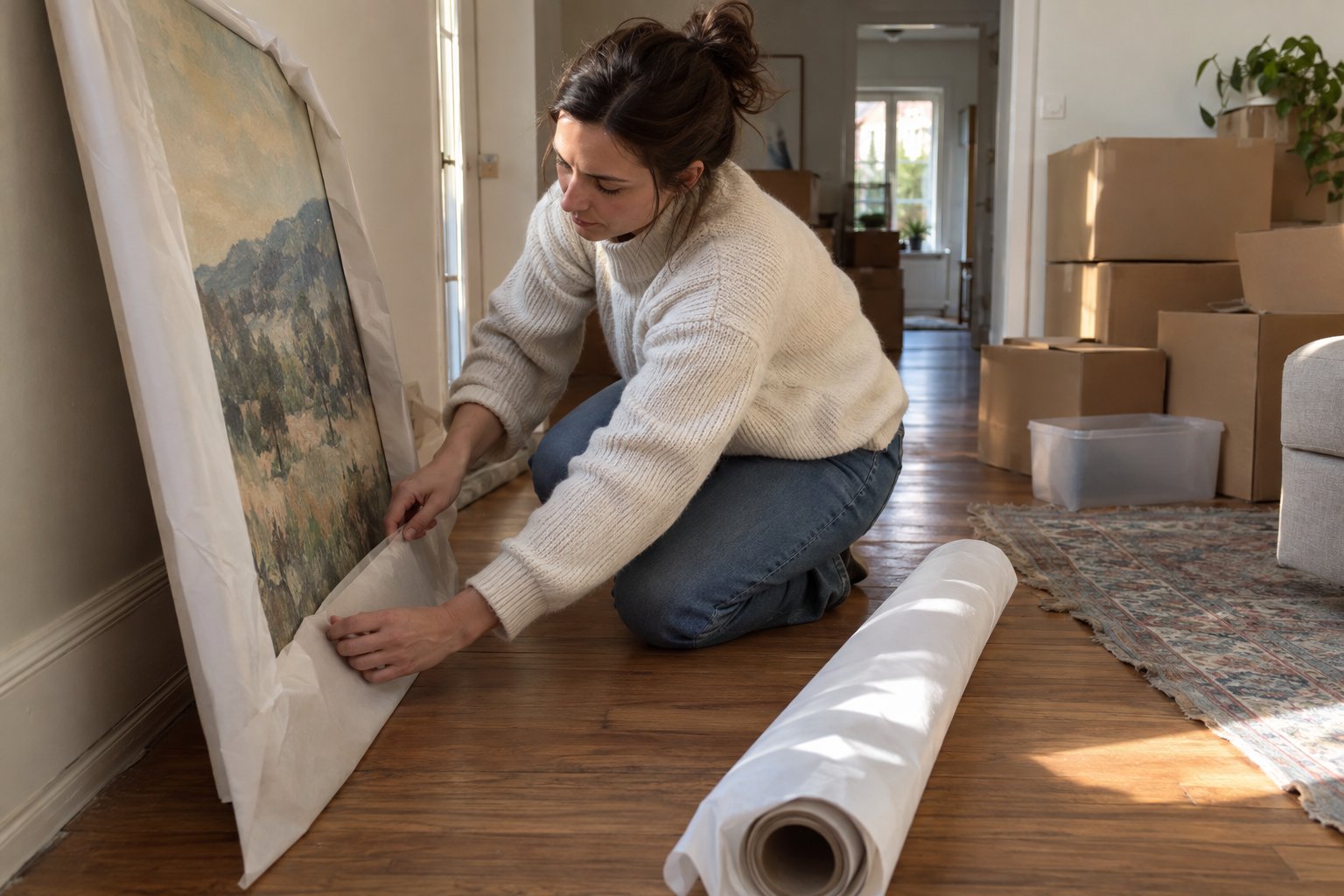
Inside the boxes, you should use plenty of bubble wrap and packing paper to cushion each individual item. Fragile ceramics and glassware should be wrapped separately to prevent them from clicking together in the box. Proper internal padding is just as important as the external container you choose.
If you own extremely delicate or high-value belongings such as antiques, pianos, or oversized glass pieces, it may be safer to rely on specialty moving services for delicate or oversized items that require professional handling and equipment.
Clearly label every box that contains fragile items with large and visible markers on all sides. This alerts anyone handling the container to exercise extra caution when moving those specific stacks. Communication through labeling is a vital part of a safe and organized household relocation.
Store these fragile boxes in a secure spot where they are surrounded by soft items like blankets or pillows. Avoid placing them near the very bottom of a stack where the weight above could cause them to collapse. A little bit of extra care will save you from the heartbreak of broken heirlooms.
Once the container is completely full, take a final look at the load to ensure everything is secure. Check your straps one last time to make sure they are tight and properly anchored to the walls. A final inspection allows you to fix any potential issues before the truck arrives.
Take photographs of the loaded container before you close and lock the door for the final time. These images serve as a record of the condition of your items and the quality of your packing. This documentation is very helpful if you ever need to file an insurance claim later.
Use a high quality padlock to secure the door and keep the key in a safe place that you will remember. Many people choose to keep the key with them in their personal vehicle during the move. Security starts with a strong lock and a responsible plan for managing the access points.
After the door is closed, you can finally relax knowing that you have followed the best professional advice. Your belongings are now secure and ready for the next chapter of your life in a new home. Proper packing is the most important step in achieving a stress free relocation.
Relocating your life is a significant undertaking that requires precision and physical endurance. If you are planning a major relocation across cities or states, working with reliable long-distance moving services can help ensure your belongings arrive safely and on schedule.
If you find yourself overwhelmed by the logistics of your upcoming move, we are here to provide expert support. Reach out to info@bcbrothersmoving.com or call (912) 658-5700 to speak with the dedicated staff at BC Brothers.
How should I distribute the weight inside my moving container?
You must place the heaviest items on the floor and spread them evenly across the entire surface area. This strategy prevents the container from tilting or becoming unstable during the transport process. Proper balance is the most vital step for anyone who wants to learn how to pack a moving pod.
What is the best way to prevent my boxes from shifting?
You need to build solid walls of boxes from the floor all the way up to the ceiling. Make sure every single gap is filled with soft items like pillows or blankets to stop movement. Creating a tight fit is the best defense against the bumps of the road during a long distance household move.
Should I use professional moving blankets for a pod?
Yes, using professional grade blankets is essential for protecting the finish of your furniture. Wrap every wooden or upholstered piece tightly to prevent scratches and stains during the journey. These blankets provide a necessary cushion against vibrations and ensure a clear link to a safe delivery today.
How do I secure the very last section of my load?
Use high quality nylon straps to tie down the final tier of items to the interior anchor points. This prevents the cargo from sliding against the door which could make it very dangerous to open later. Security straps are a small investment that provides massive peace of mind for every homeowner now.
Can I pack liquids or hazardous materials in a pod?
No, you should never pack flammable liquids, chemicals, or pressurized cans inside a moving container. These items pose a significant fire risk and are strictly prohibited by most transport companies for safety. Always dispose of hazardous waste properly before your moving day to ensure a safe trip.
BC Brothers Moving & Storage is a locally owned, licensed and insured moving company rated 4.9 stars across 800+ reviews. Residential, commercial, long-distance, packing and storage — handled by one crew.
Movers in Savannah·Residential Moving·Packing Services·Long-Distance Moving·Storage

.svg)




.svg)
.svg)