Serving Savannah, GA & Austin TX

.png)
Mon - Sunday: 8am- 8pm

.svg)

Moving heavy gym equipment is one of the most physically demanding tasks a homeowner can face during a relocation. Understanding how to move treadmill machinery properly is essential to prevent both personal injury and expensive damage to the electronic components. This guide provides the expert strategies needed for a safe transition, especially if you are planning a full household relocation with professional residential moving services that can simplify the entire process.
When you plan the logistics of your exercise equipment transport, you must consider the immense weight of the motor and the frame. A standard unit can often weigh over three hundred pounds, making it nearly impossible for one person to handle alone. Taking the right precautions ensures your home gym reaches the destination.
Before you attempt to lift any portion of the machine, make sure the power cord is completely unplugged and secured. Leaving the cord dangling creates a significant trip hazard for anyone walking near the heavy frame. Wrapping the cable in plastic or using a rubber band will keep it safe.
Wear footwear with excellent grip and ankle support to ensure you have a stable base during the lifting process. You should also wear gloves that provide a firm hold on the metal frame to prevent slipping. Safety gear is the first line of defense when you are relocating equipment.
You will need specific equipment to handle the weight and size of a fitness machine during a residential relocation. Having these items ready will save you time and prevent unnecessary frustration during the process. Make sure you have a partner available to help you with every single step of this.
A heavy duty furniture dolly with rubber wheels.
Standard screwdrivers and a full set of Allen wrenches.
Moving blankets for padding the delicate console screen.
Heavy duty nylon straps to secure the folding frame.
Plastic stretch wrap to protect the walking belt area.
A partner to assist with the heavy lifting work.
Locate the original documentation that came with your fitness machine to check for specific transport instructions provided by the manufacturer. Some high end models have unique locking pins or sensitive internal sensors that require special handling. Reading these details is a vital link in the successful chain of your relocation.
If you no longer have the physical copy of the manual, look for a digital version online to study the diagrams. Understanding how the frame connects to the console base will make the disassembly process much faster. Knowing the internal layout helps you avoid putting pressure on the wrong spots today.
Measure every doorway and hallway that the machine must pass through before you start the physical move. You should remove any rugs, toys, or small pieces of furniture that might block the wheels of your dolly. A clear path is essential for maintaining momentum and preventing accidental collisions today.
Take the doors off their hinges if you need a few extra inches of clearance for the wider console base. It is much better to spend ten minutes on a door than to scratch the wood or damage the machine. Preparation is the key to a stress free move for everyone.
Begin the teardown by carefully removing the side rails if your specific model allows for such modifications. Use labeled plastic bags to store every screw and bolt to ensure that reassembly at the new house is easy. Losing one small fastener can prevent you from using the machine safely later.
Disconnect the electronic wires that link the console to the motor housing with extreme care to avoid snapping the connectors. These thin cables are the brains of your exercise equipment and are very expensive to replace. Gently tuck them into the frame to protect them from snagging during transit.
The walking belt can sometimes slide or shift when the machine is tilted onto its side for transport. Use industrial strength stretch wrap to bind the belt to the metal deck to keep it perfectly stationary. This prevents the motor from experiencing unnecessary torque while you are moving the frame.
Cover the entire motor housing with a thick moving blanket to prevent dust or debris from entering the sensitive internal components. Dirt can cause the motor to overheat or fail once you plug it back in at the destination. Protection is a priority for high performance fitness gear.
Most modern treadmills feature a folding design that allows the deck to lift toward the console for easier storage. Ensure that the locking pin is fully engaged and that the safety latch is secure before moving the unit. A deck that drops unexpectedly can cause severe injury to your feet.
For machines that do not fold, you may need to remove the upright posts entirely to create a flat profile. This process takes more time but makes the unit much more stable when it is sitting on the floor of a moving truck. Stability is the goal for heavy gym gear.
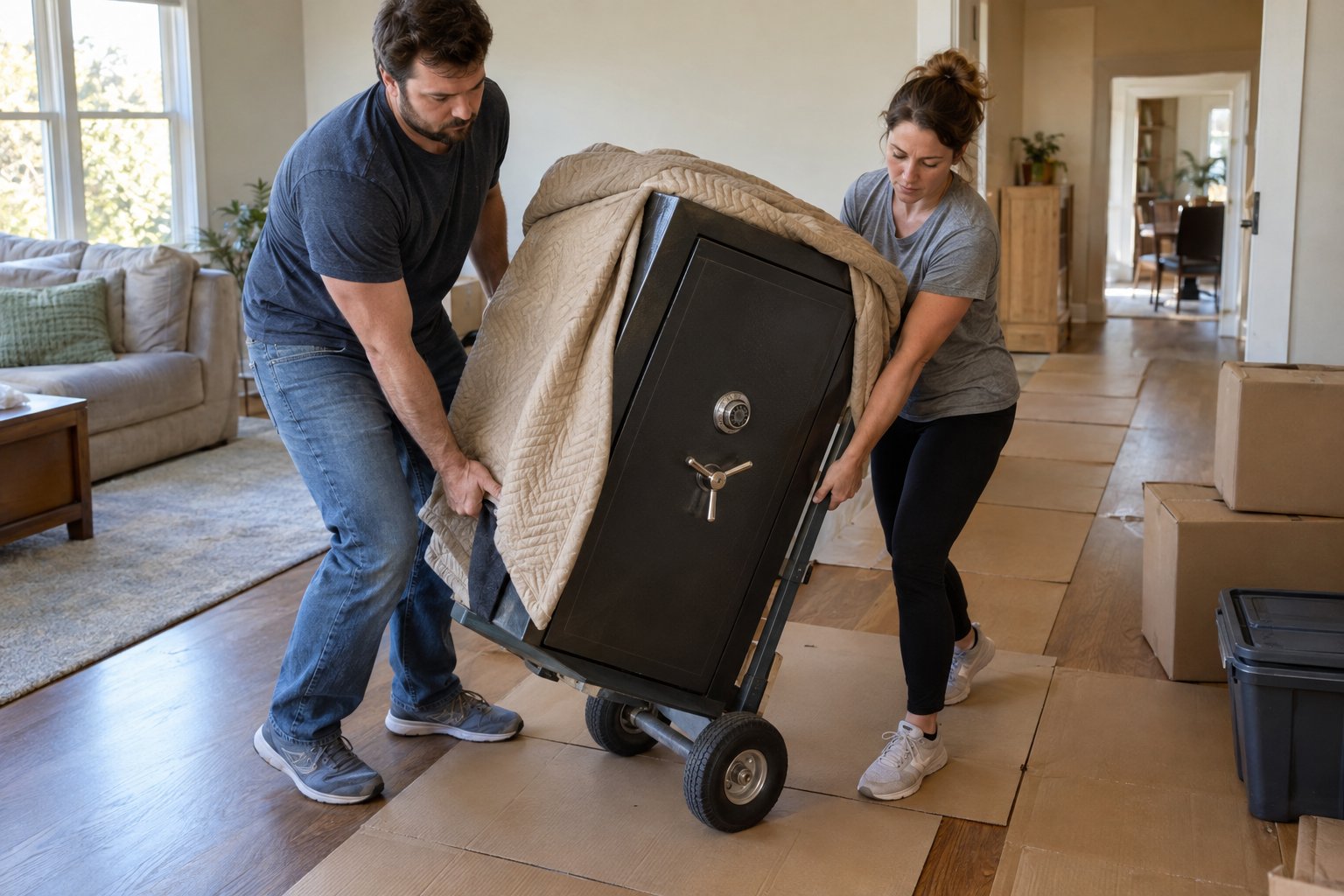
Center the heaviest part of the machine over the axle of the furniture dolly to ensure the weight is balanced. You will likely need one person to tilt the frame while another slides the dolly underneath the base. A balanced load is much easier to steer through narrow halls today.
Use ratcheting straps to tie the treadmill to the dolly so it cannot slide off when you encounter a small bump. The momentum of a moving machine weighing hundreds of pounds is difficult to stop once it starts to slide. Safety straps provide the peace of mind you need.
Go slowly when passing through narrow openings to avoid catching the delicate console on the door frame. Have your partner stand on the opposite side to guide the wheels and warn you of any obstacles. Clear communication is a vital link between you and a successful furniture relocation.
Keep your back straight and use your legs to provide the power when you are pushing the heavy load. Avoid twisting your torso while you are carrying the weight of the machine to prevent painful back strains. Proper ergonomics will keep you healthy throughout the entire moving day tomorrow.
Stairs present the most dangerous part of any equipment move and require extra help to manage safely. You must move slowly and maintain a firm grip on the frame at all times. Never try to rush this part of the process, as one slip can lead to a serious accident.
Always have at least three people available for stair work.
Move the machine one step at a time with caution.
Keep the person at the bottom of the stairs alert.
Use specialized stair climbing dollies if they are available today.
Rest at every landing to catch your breath and grip.
Never rush the process when moving heavy objects on stairs.
Extend the moving ramp fully and ensure it is locked into the back of the truck before you start climbing. One person should pull from the front while two others push from the back to maintain steady control. The ramp can be slippery, so watch your footing carefully.
Position the machine against the interior wall of the truck near the front of the trailer for the best stability. Placing heavy items toward the front of the vehicle helps maintain a safe center of gravity while driving. This prevents the truck from swaying on the open highway.
Use high quality tie down straps to anchor the treadmill to the interior rails of the moving vehicle. This prevents the machine from shifting forward or backward when the driver applies the brakes or makes a turn. A stationary machine is a safe machine during a long distance move.
Place softer items like bags of clothing or boxed pillows around the exercise equipment to act as a natural cushion. This prevents other hard objects from scratching the paint or cracking the plastic console during the trip. Strategic packing is the secret to a damage free residential move today.
Reverse the loading process by carefully guiding the machine down the ramp with multiple spotters to help. Do not let the dolly gain too much speed, as it can be very difficult to stop on a downward slope. Patience is the most important tool you have during unloading.
Place the machine directly into the room where it will be used to avoid having to move it again later. Once the heavy lifting is finished, you can begin the process of unboxing and preparing for reassembly. Placing it correctly the first time saves you a lot of energy.
Reconnect the electronic cables with care, ensuring that the pins are aligned perfectly before you push the connectors together. If you force a connection, you might bend a pin and lose the functionality of the heart rate monitor or the incline motor. Gentleness is required for these delicate parts.
Tighten every bolt and screw to the specifications listed in your manual to ensure the frame is sturdy and safe. A loose bolt can cause the machine to shake or vibrate excessively when you are running at high speeds. Safety is the result of careful attention to every detail.
Many modern units require a calibration sequence after they have been moved to a new location to ensure the belt is centered. Turn the machine on and let it run at a slow speed while you adjust the tension bolts at the rear. Proper alignment prevents the belt from fraying.
Check the belt for any signs of slipping or sticking before you attempt to run on the machine yourself. If the belt is not moving smoothly, you may need to apply a small amount of silicone lubricant to the deck. Regular maintenance keeps your fitness equipment in top shape today.
While moving a treadmill yourself is possible, hiring experts can save you from physical exhaustion and potential property damage. Professional movers have the specialized equipment and the experience needed to handle awkward and heavy loads without any issues. If your equipment requires extra care, experienced teams offering specialty moving services for heavy equipment can ensure everything is transported safely.
Our team understands the unique challenges associated with gym equipment and provides the reliable support you need for a successful transition. We handle the heavy lifting so you can focus on settling into your new living space. Choosing professional help is a smart decision for any large relocation project.
Lay down thick sheets of cardboard or specialized floor runners to protect your hardwood or carpet from the heavy dolly wheels. The weight of a machine can leave permanent indentations or scuffs on sensitive flooring surfaces if you are not careful. Protecting your home is as important as moving the gear.
Use corner protectors on the walls and door frames to prevent accidental chips or scratches during the move. A heavy treadmill can do a lot of damage to drywall if it bumps into the wall with any speed. A little bit of preparation goes a long way in safety.
If your move involves traveling over 590 miles, you must ensure the electronic components are protected from extreme temperature changes. Moisture can build up inside the motor housing if the truck is parked in a cold or humid environment for too long. Climate control is a great option here.
Double check the security of your tie down straps after the first few miles of driving to ensure nothing has shifted. Road vibrations can cause straps to loosen slightly, which may lead to movement inside the trailer. Regular checks are a vital part of a safe long distance trip, especially when using professional long distance moving services for interstate relocations.
How should I prepare my fitness equipment for a household move?
You must begin by unplugging the unit and securing the power cord to the frame with tape or plastic wrap. This prevents a major trip hazard during the relocation. Using moving blankets to protect the console is a vital link to preventing expensive screen damage while you are working on the heavy frame today.
Can one person safely handle a treadmill during a relocation today?
No, you should never attempt to move a machine alone because they often weigh more than 590 pounds depending on the model. Having a partner is essential for maintaining balance and preventing personal injury. You need at least two people to lift the deck and guide the dolly through the doorways.
What is the best way to transport a treadmill on a moving truck now?
You should load the machine using a sturdy ramp and place it against the front wall of the trailer for stability. Secure it with heavy duty nylon straps to prevent it from shifting while you are driving on the highway. Using soft padding around the unit will help protect the plastic housing today.
Do I need to take the machine apart before I start the move today?
Removing the side rails and the console can make the unit much lighter and easier to fit through narrow doors. Be sure to store every screw in a labeled bag to ensure that reassembly at the new house is fast. Taking these extra steps is the best way to avoid damaging your expensive equipment.
How do I protect my hardwood floors when moving heavy gym gear today?
Lay down thick cardboard or rubber floor runners to create a safe path for the dolly wheels to travel across. The heavy weight of the frame can easily scratch or dent wood if it is not protected. Taking the time to prep the floors is a vital part of a successful and clean residential move.
BC Brothers Moving & Storage is a locally owned, licensed and insured moving company rated 4.9 stars across 800+ reviews. Residential, commercial, long-distance, packing and storage — handled by one crew.
Movers in Savannah·Residential Moving·Packing Services·Long-Distance Moving·Storage

.svg)




.svg)
.svg)