Serving Savannah, GA & Austin TX

.png)
Mon - Sunday: 8am- 8pm

.svg)

Most households need one to three full days of dedicated packing time for a small home, and five to seven days for a larger house, spread across one to two weeks of evenings and weekends rather than done in one marathon session. The exact number depends less on square footage and more on how much stuff you actually own, how organized you are before you start, and whether anyone is helping. Below is a realistic breakdown by home size, plus how to build a packing schedule that does not end in a 2 a.m. box-taping session the night before movers arrive.
As a rough baseline, plan on 1 to 2 days per room if you are packing alone, or half that with a second set of hands. A studio or one-bedroom apartment usually takes a single dedicated day. A three to four bedroom house with a garage, attic, or basement can take a full week of part-time effort, sometimes longer if there are collections, a home office, or a workshop involved.
These estimates assume you are packing standard household goods, not deep-cleaning, sorting decades of storage, or renovating as you go. If any of those apply, add extra days. The single biggest variable is not the size of the house, it is the volume of belongings inside it.
These figures assume evenings and weekend blocks, not eight-hour packing shifts. If you can dedicate full days, you can compress the timeline significantly.
Clutter, indecision, and lack of supplies are the three biggest time drains, more than the physical act of wrapping and boxing. Packing itself moves fast once you have a system. What eats hours is standing in front of a closet deciding what to keep, hunting for a box that is the right size, or realizing halfway through a room that you are out of tape.
Kitchens and garages consistently take longer than bedrooms because they hold more small, oddly shaped, or fragile items per square foot. A bedroom might take two hours; a full kitchen with dishware, small appliances, and pantry goods can easily take four to six. Stocking up on the right packing supplies before you start, rather than mid-project, removes one of the most common delays.
Work backward from your move date and tackle the rooms you use least first. Start two to three weeks out with storage areas, guest rooms, and seasonal items, then move into daily-use spaces like the kitchen and bedrooms in the final week, finishing with a "last day" box of essentials you will need immediately.
Labeling boxes by room as you go, rather than sorting at the end, keeps this schedule realistic. It also makes unloading at the new place far faster, since movers can place boxes directly in the right rooms instead of everything piling up in the entryway.
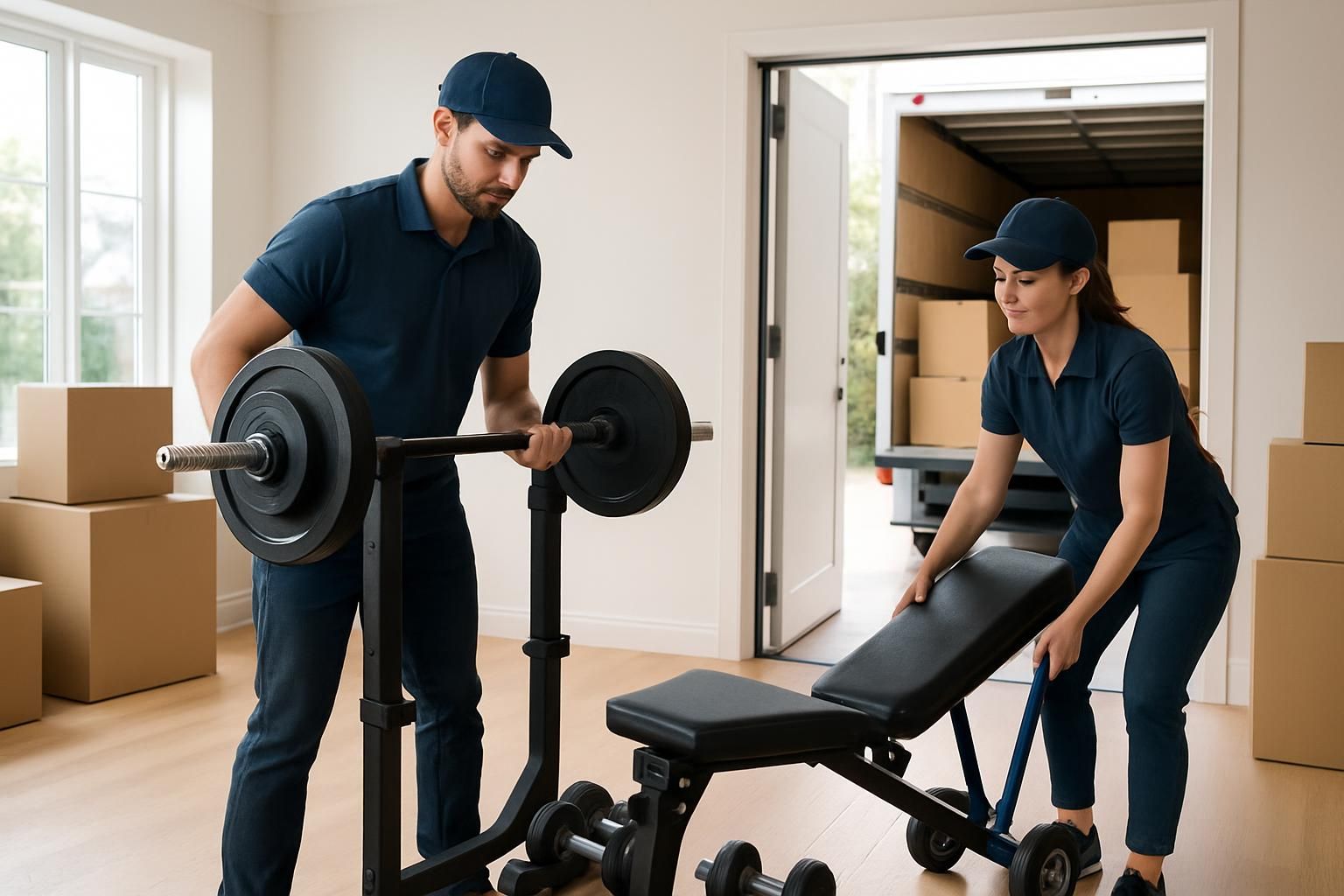
If your timeline is under a week or you have a large home, hiring help for even part of the packing is usually worth it. A two-person packing crew can typically clear a full kitchen or garage in a few hours, work that might take one person an entire weekend on their own.
Many homeowners split the difference: they pack personal items, clothing, and anything sentimental themselves, then bring in professional packing services for the time-consuming rooms like the kitchen, garage, or a home office full of electronics. This shortens the overall timeline without handing over everything, and it reduces the odds of fragile items getting rushed into a box at the last minute.
If your moving date is fixed and packing is falling behind schedule, residential moving labor services can also step in just to help with packing hours, without booking a full move, which is useful when you already have a truck or container reserved but need extra hands to hit the deadline.
Start non-essential rooms two to three weeks before moving day, and save daily-use spaces like the kitchen and bathroom for the final few days. Starting too early with everyday items usually backfires, since you end up living out of boxes or unpacking the same items you already packed.
A good rule of thumb: if you have not touched an item in the last month, it can be packed now. If you use it daily, it waits until the last few days. This keeps your household functional right up until moving day while still spreading the workload over a manageable stretch instead of cramming it into a single weekend.
If you are still deciding how much time to block off, reviewing how to pack efficiently for a move alongside this timeline can help you tighten the schedule further once you know roughly how many days you are working with.
Whether you need a couple of packing crew hours to catch up or a full-service pack for the whole house, planning your timeline early makes the whole move less stressful. Get a moving quote from BC Brothers Moving and we will help you figure out exactly how much packing help you need and when.
BC Brothers Moving & Storage is a locally owned, licensed and insured moving company rated 4.9 stars across 800+ reviews. Residential, commercial, long-distance, packing and storage — handled by one crew.
Movers in Savannah·Residential Moving·Packing Services·Long-Distance Moving·Storage

.svg)







.svg)
.svg)