Serving Savannah, GA & Austin TX


Mon - Sunday: 8am- 8pm


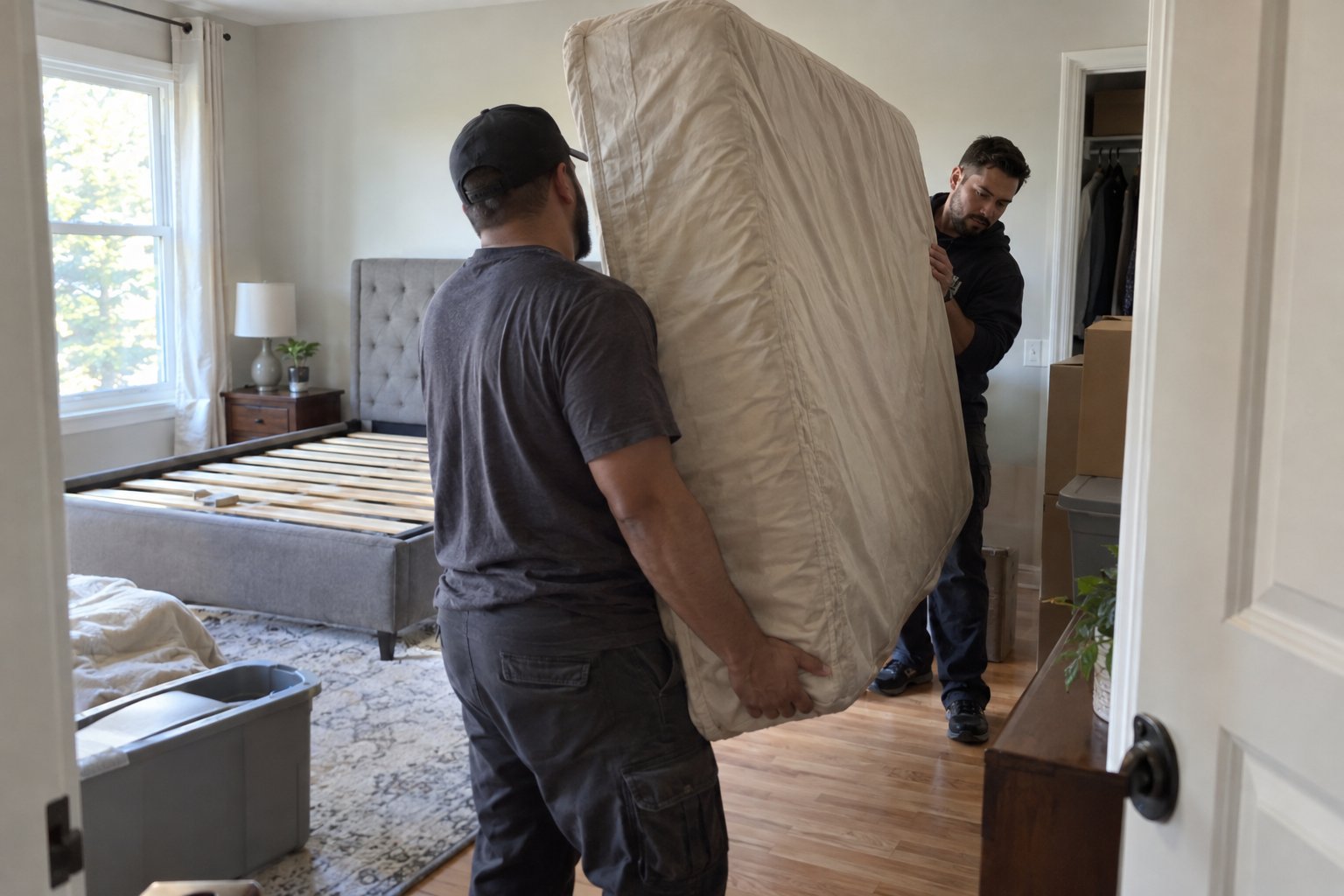
Both a storage unit and a portable storage container let you store your belongings temporarily, but deciding between hiring professional movers or doing it yourself to get those belongings into storage is a separate question with its own tradeoffs. Full-service movers vs. self-service storage moving comes down to how much time you have, how much physical effort you want to take on, and how much risk you are willing to accept with heavy or awkward items.
This comparison looks at both paths on the same four points: time, effort, risk, and fit, so you can decide which approach suits your move into storage rather than just your move into a new home.
Full-service storage moving means a moving crew loads your items, transports them, and places them into a storage unit or container for you. Self-service storage moving means you rent a truck or container, then handle the loading, driving, and unloading yourself, often with help from friends or family.
The difference is not just who lifts the boxes. It is also who plans the load, who is responsible if something gets damaged in transit, and how much of your own schedule the move consumes. Both paths get your things into storage, but they ask very different things of you along the way.
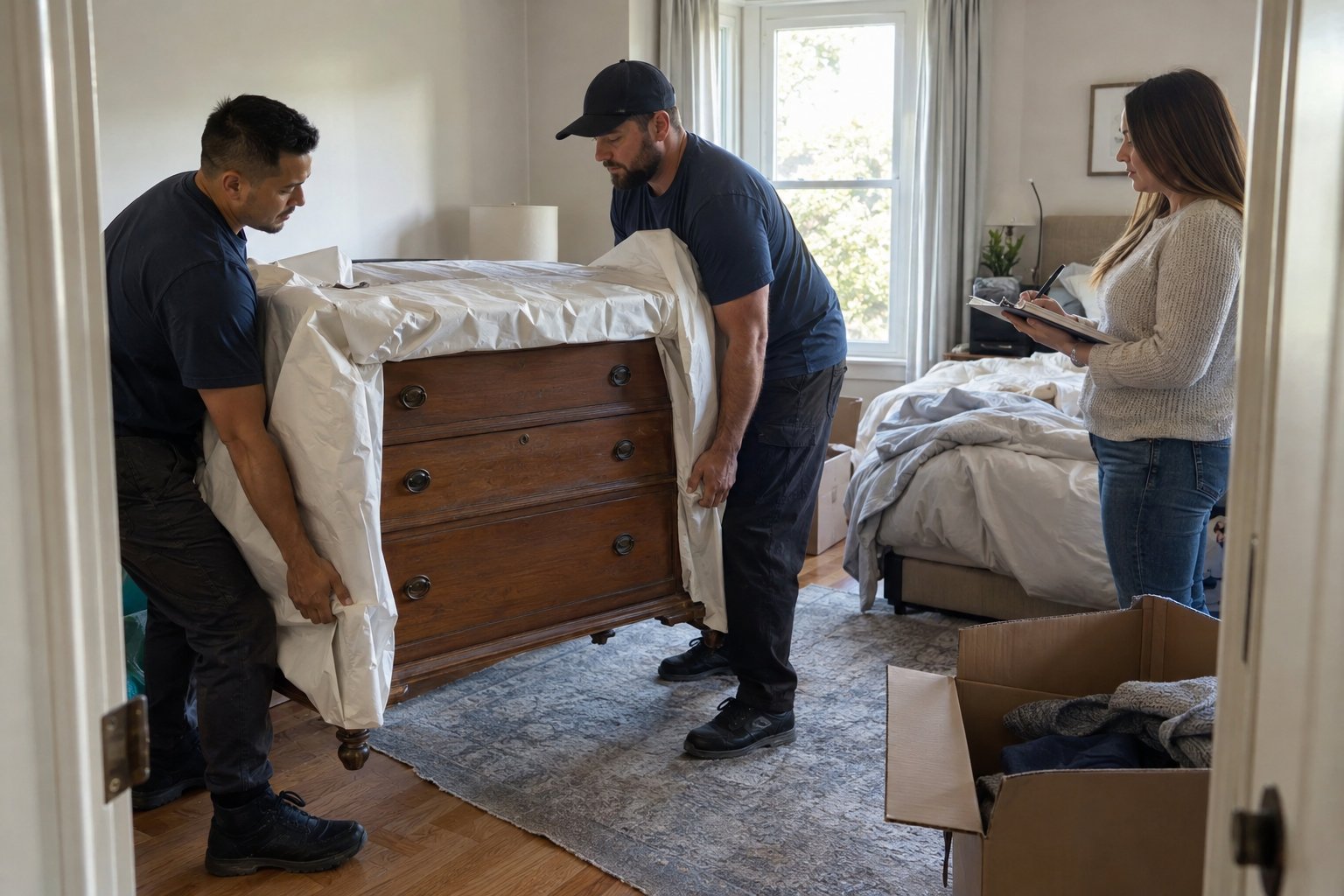
Full-service moving is faster from a scheduling standpoint because a crew works in parallel and does not need breaks to recover from heavy lifting. Self-service moving usually takes longer because one or two people are doing all the carrying, loading, and arranging themselves.
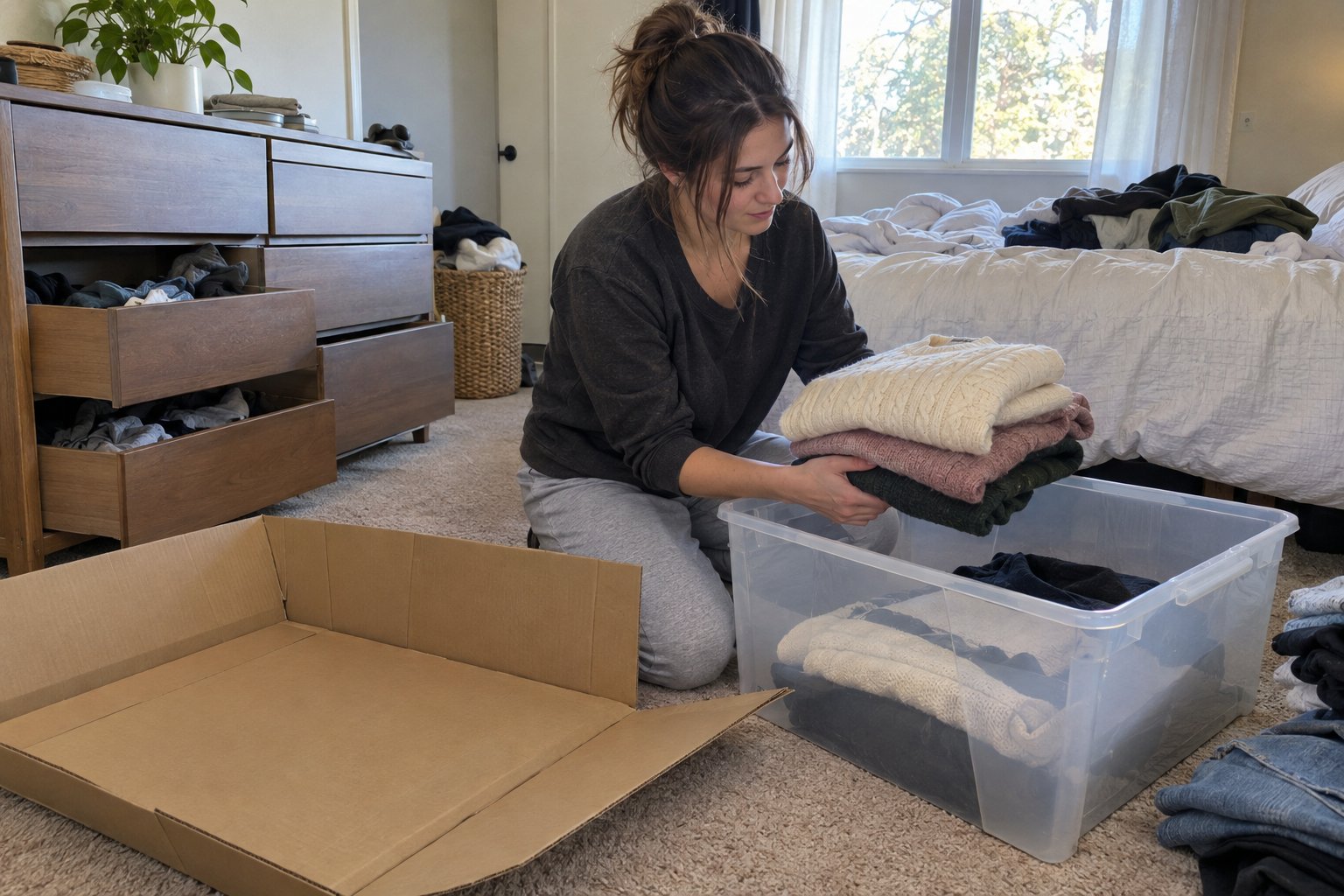
A good rule of thumb is to allow about a full day per average-sized room when packing and loading solo, compared to a faster pace when a trained crew is doing the loading. If your timeline is tight, perhaps because a lease ends on a specific date or a storage unit reservation only covers a short window, the time saved with professional help can matter more than it seems at first.
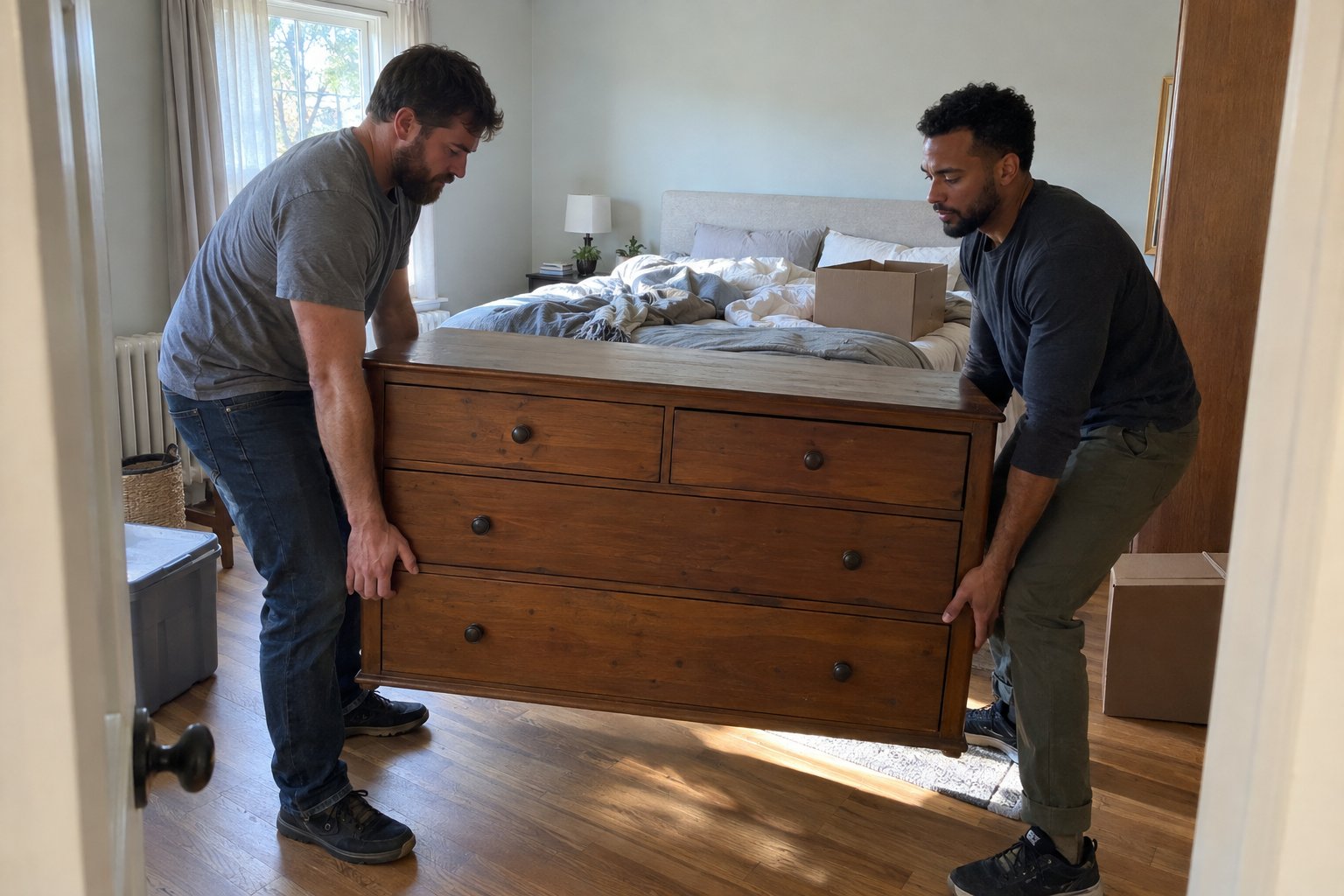
Self-service moving takes far more physical effort because you are doing all of the lifting, carrying, and maneuvering yourself, often with furniture that was never designed to be carried by one or two people. Full-service moving shifts that physical burden to a trained crew, which matters most for heavy furniture, awkward stairwells, or anyone who cannot safely lift heavy items.
The OSHA guidance on safe lifting practices is worth reviewing if you are planning to load a storage unit yourself, since repetitive lifting of heavy or bulky items is one of the most common ways people get hurt during a move. If your household includes a lot of solid wood furniture, major appliances, or anything you cannot comfortably lift alone, that is a strong signal toward hiring help rather than doing it yourself.
Loading a portable container follows similar effort rules as loading a truck, but containers are often delivered to your driveway, which removes one leg of the drive. The lifting and stacking work inside the container is the same regardless of who does it, so the effort comparison above still applies.
Self-service moving carries more risk of property damage, because an unplanned load can shift during transport and inexperienced packing can leave fragile or heavy items unprotected. Full-service moving reduces that risk because a crew trained in packing and loading knows how to distribute weight and secure a load so it does not shift once the truck starts moving.
There is also a liability difference. When you load and drive yourself, any damage along the way is generally your own responsibility to absorb. When professional movers handle the loading and transport, ask about what their service includes before moving day so you understand what is covered. Either way, protecting fragile or valuable items before they go into any storage situation is worth the extra care, and a written quote from a moving company will spell out exactly what is and is not included.
Self-service moving into storage tends to suit people with a small volume of items, a flexible schedule, and no heavy or fragile furniture that requires special handling. It can work well for a studio apartment's worth of belongings or a short move where friends are available to help.
Full-service moving into storage tends to suit larger households, anyone dealing with stairs or tight hallways, people on a firm deadline, and anyone who would rather not risk an injury or a damaged dresser trying to save effort. If you are moving a full household's worth of furniture into climate-controlled storage, a trained crew can usually get everything loaded and placed more efficiently than a DIY attempt, and the same crew can help load again when it is time to move out of storage.
For most households moving more than a room or two of belongings into storage, hiring movers for the loading and transport is the more reliable choice. It reduces the physical toll, cuts down on the time the move takes out of your week, and lowers the risk of damage to furniture that would be expensive or impossible to replace.
Self-service moving still makes sense for small loads, short distances, or situations where budget flexibility matters more than convenience. If you are unsure which category your move falls into, a residential moving service can usually tell you after a quick look at your inventory whether your load is a reasonable DIY job or one that benefits from professional hands.
Yes. On a long-distance move, the risk and effort of self-service moving multiply, because you are now responsible for driving a loaded truck over many hours, securing the load for highway speeds, and potentially unloading into storage in an unfamiliar area. A long distance moving service is built around exactly this kind of multi-stage logistics, which makes the comparison lean more heavily toward full-service help the farther the move goes.
If your plan involves storing items with the USPS mail forwarding update timed around a long-distance move, it helps to treat the storage move and the address change as two separate timelines so neither gets rushed.
Before committing to either path, walk through your home and count the items that are heavy, fragile, or awkward to carry, since those are the items that tip the decision toward professional help. Confirm your moving date against your storage unit's availability, and request a written quote so you know exactly what a full-service option would include before ruling it out.
If you are moving within the area and already comparing storage options, a look at nearby Richmond Hill or Tybee Island service areas can help confirm whether a crew is available on your preferred date.
Planning your move? Request a quote from BC Brothers Moving and Storage.
Yes. Let the crew know in advance about stairs, narrow hallways, or a long carry from the driveway to the storage unit so they can plan equipment and timing accordingly.
A trained crew generally loads a storage unit faster than one or two people working alone, since they can work in parallel and know how to stack and secure items efficiently. A solo loader should plan for a slower pace, often a full day for a single room's worth of furniture and boxes.
Many moving crews can handle both tasks in a single visit if you let them know your full plan in advance. Mention both the storage unit and the container when requesting a quote so the crew can prepare the right equipment.
Heavy furniture, major appliances, anything fragile like glass or electronics, and items that require two or more people to lift safely are all good candidates for professional handling rather than a solo loading effort.
A portable container delivered to your driveway can save you a drive to a facility, but the loading and stacking effort inside is the same as loading a storage unit yourself. The easier option depends more on your volume of belongings than on which container type you choose.
BC Brothers Moving & Storage is a locally owned, licensed and insured moving company rated 4.9 stars across 800+ reviews. Residential, commercial, long-distance, packing and storage — handled by one crew.
Movers in Savannah·Residential Moving·Packing Services·Long-Distance Moving·Storage